




Valley of Flowers, Uttarakhand: A Carpet of Colour
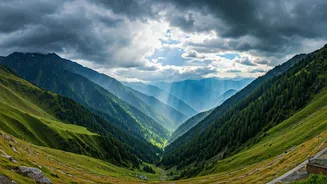
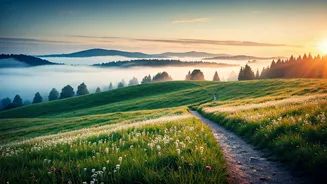
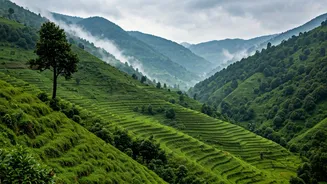
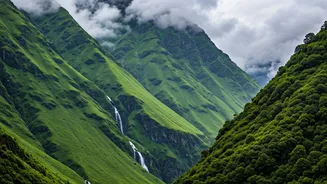
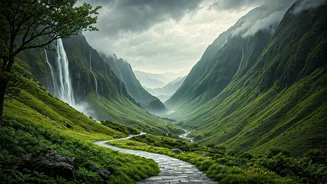
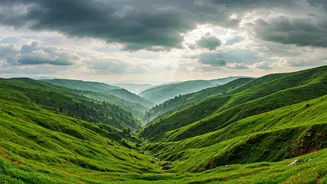
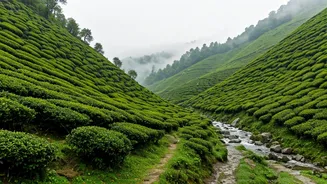
Perhaps the most iconic monsoon destination, the Valley of Flowers National Park is a UNESCO World Heritage Site that truly comes alive between July and September. As the rains intensify, the valley floor erupts into a vibrant carpet of over 600 species
of wildflowers, including the elusive blue poppy and the sacred Brahma Kamal. The monsoon turns the surrounding meadows a lush, deep green, creating a stunning contrast with the colourful blooms. The trek to the valley, with temperatures hovering between 10°C and 20°C, is a journey through mist-laden paths and rejuvenated landscapes, making it an unforgettable experience for nature lovers and photographers alike. August is considered the peak season for the floral bloom, though trekkers should be prepared for muddy trails and frequent showers.
Kasauli, Himachal Pradesh: Colonial Charm in the Clouds
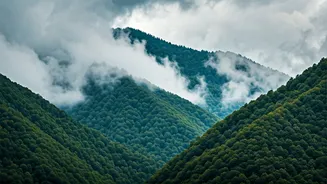
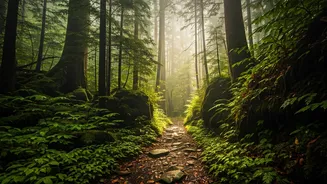
For those seeking a quieter, more relaxed monsoon experience, the colonial cantonment town of Kasauli is a perfect choice. During the rains, from July to September, the town is draped in a thick blanket of mist, and the dense pine forests feel fresher and more vibrant. The crowds of summer disappear, leaving behind peaceful, winding roads perfect for contemplative walks. Trails like the Gilbert Trail become exceptionally beautiful, offering serene walks through mist-covered paths with the scent of wet earth in the air. The cooler temperatures and the dramatic spectacle of clouds rolling through the valleys make it an ideal setting for a tranquil getaway. It’s a time when you can enjoy the town’s old-world charm, sip hot tea in a cozy café, and watch the rain transform the world outside.
Landour, Uttarakhand: A Storybook Escape
Tucked away just above the bustling streets of Mussoorie, Landour is a quaint hamlet that seems frozen in time. The monsoon enhances its storybook quality, as clouds drift through the deodar and pine forests, often enveloping the colonial-era cottages and churches in a soft, mysterious haze. This is the best time to visit if you love grey skies and the smell of petrichor. The famous ‘Landour loop,’ a 5-kilometre circular walk, becomes a journey through an enchanting green paradise. With fewer tourists, the town’s serene atmosphere is amplified, making it perfect for writers, artists, or anyone looking to disconnect. Exploring the quiet trails of Jabarkhet Nature Reserve or simply reading a book in a historic bakery becomes a magical experience.
Khajjiar, Himachal Pradesh: The Emerald Saucer
Often called the 'Mini Switzerland of India', Khajjiar’s famous saucer-shaped meadow and the surrounding deodar forests take on an intense emerald hue during the monsoon. The lake at the center of the meadow fills to the brim, reflecting the moody, cloud-laden sky and the lush landscape. While adventure sports may be limited, the sheer beauty of the location is amplified. It becomes a haven for those looking to relax and soak in the natural beauty. The post-rain freshness and the vibrant green surroundings make it a photographer's delight, offering postcard-perfect views at every turn.
A Word on Safety
While the monsoon in the hills is breathtaking, it demands caution. The season brings an increased risk of landslides, slippery roads, and flash floods. It is crucial to check weather forecasts and road conditions before and during your travel. Avoid travelling during heavy rainfall warnings (often issued as orange or red alerts) and be wary of driving at night. Sticking to well-known destinations over remote, unexplored routes is advisable. Always pack waterproof gear, wear shoes with a good grip, and keep a buffer in your itinerary for potential delays. By taking these precautions, you can safely enjoy the unparalleled beauty of the monsoon-drenched Himalayas.