






What Is the Skin Barrier, Really?
Think of your skin barrier, or stratum corneum, as a diligent security guard for your body. It's the outermost layer of your skin, made up of tough skin cells (the bricks) held together by lipids like ceramides and fatty acids (the mortar). This 'brick
wall' has two critical jobs: keeping good things, like water, in, and keeping bad things, like pollutants and irritants, out. When this barrier is healthy and intact, your skin feels soft, calm, and hydrated. But when it's compromised, it can lead to a host of issues.
The Crucial Role of Hydration
Hydration, in skincare terms, refers to the water content within your skin's cells. Well-hydrated skin is plump, smooth, and radiant. Ingredients known as humectants, such as hyaluronic acid and glycerin, are hydration superstars. They act like magnets, drawing moisture from the air and deeper layers of your skin to the surface. It’s important to distinguish this from 'moisturising'. While hydration adds water to the skin, moisturising involves using oils and lipids to seal that water in, preventing it from evaporating.
The Power Couple: Why They Work Together
This is where the magic happens. Hydration and barrier function are locked in a virtuous cycle. A strong, healthy barrier is excellent at holding onto the water that keeps skin cells plump and functioning properly. Conversely, well-hydrated skin is better equipped to maintain a strong barrier. When the skin is dehydrated, it can't perform its barrier functions effectively, becoming vulnerable. A compromised barrier, in turn, cannot prevent water from escaping—a problem known as transepidermal water loss (TEWL)—leading to further dehydration and sensitivity. Supporting both is the secret to breaking this cycle.
Signs of a Damaged Barrier
How do you know if your skin's security guard has been slacking? The signs of a compromised barrier are often mistaken for other issues. Telltale symptoms include persistent dryness, tightness, or flakiness, even after moisturising. You might also experience increased sensitivity, where products that were once fine suddenly cause stinging or redness. A general look of dullness, along with visible irritation or even breakouts, can also signal that your barrier needs support. This often happens from over-exfoliating, using harsh cleansers, environmental stress, or simply not giving your skin what it needs.
Your Hydration and Barrier Repair Toolkit
The trend towards barrier care is about getting smarter, not more aggressive, with your routine. To boost hydration, look for products containing humectants like hyaluronic acid and glycerin. For barrier repair and support, the key ingredients are lipids that mimic your skin's natural 'mortar'. Ceramides are non-negotiable, as they are a fundamental component of the barrier itself. Niacinamide (a form of vitamin B3) is another hero ingredient, known for its ability to soothe skin, reduce water loss, and improve texture. Finally, emollients and occlusives like shea butter or plant oils help to lock everything in.
Building Your Winning Routine
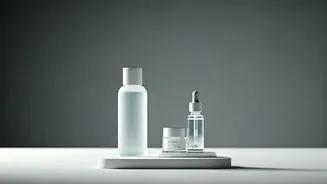
Putting this into practice is simpler than it sounds. The modern approach, sometimes called 'skinimalism', prioritises gentle, effective steps. Start with a mild, non-stripping cleanser that respects your skin barrier. While your skin is still slightly damp, apply a hydrating serum with ingredients like hyaluronic acid to draw in moisture. Follow up with a moisturiser rich in ceramides and niacinamide to repair the barrier and lock in that hydration. During the day, always finish with sunscreen, which protects the barrier from UV damage. By focusing on this core philosophy, you move your skin from a state of defence into one of repair and resilience.