





The Economic Multiplier Effect
When you buy directly from a farmer or a local vendor, your money does more than just purchase goods. It circulates within the community, creating a powerful multiplier effect. This direct transaction ensures that farmers receive a larger share of the profit
by cutting out multiple layers of middlemen. This increased income allows them to invest back into their farms, support their families, and contribute to the rural economy. Studies have shown that access to markets is crucial for increasing agricultural production and farmers' incomes. For instance, state-initiated farmers' markets established in some Indian states have successfully challenged the dependency on commission agents, allowing over 75,000 farmers to sell directly in towns and cities. This model not only boosts farmer income but also creates local jobs in transportation, sorting, and packaging, strengthening the entire local economic fabric.
A Direct Path to Better Nutrition
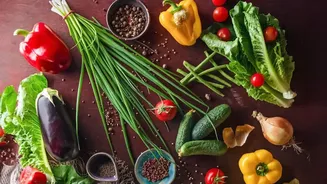
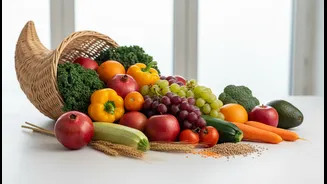
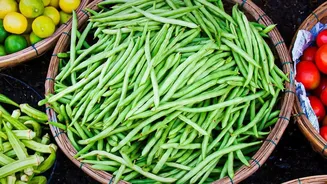
Local markets are instrumental in improving dietary quality and access to fresh, nutritious food. The supply chains are short, meaning produce travels fewer kilometres from farm to table. This results in fresher food that retains more nutrients compared to produce that has spent days or weeks in transit and storage. Consumers are increasingly drawn to local markets for this perceived freshness and quality. Furthermore, these markets often feature a wider variety of seasonal and indigenous crops that may not be available in large supermarkets. This diversity encourages a more varied diet, which is a key component of good nutrition. By providing direct access to these foods, markets play a significant role in tackling nutritional deficiencies and promoting healthier eating habits within the community.
Strengthening Community and Culture
Markets are not just economic spaces; they are social and cultural hubs. They act as a weekly or daily meeting point for people from different walks of life, fostering social interaction and a sense of community. The direct conversation between a farmer and a customer builds trust and a personal connection to where food comes from. This interaction can be a source of pride for farmers and a valuable learning experience for consumers. In many parts of India, weekly 'haats' or 'santhes' are long-standing traditions that break the monotony of village life and preserve cultural practices. They are places for exchanging news, celebrating local identity, and strengthening the social bonds that hold communities together.
Innovations and the Path Forward
To maximize their impact, local markets are evolving. Farmer Producer Organizations (FPOs) are empowering small farmers by creating a collective entity to bypass traditional brokers, achieve economies of scale, and gain better bargaining power. Simultaneously, government initiatives like the e-NAM portal are creating a unified national market for agricultural commodities, aiming for more transparent price discovery. In cities, curated organic farmers' markets are gaining popularity, connecting health-conscious urban consumers directly with farmers who use sustainable practices. However, challenges like inadequate infrastructure, storage facilities, and competition from large retailers remain. Continued support from policymakers, along with community participation, is essential to help these vital institutions thrive and scale their benefits across the nation.