


The Perfect Kofta Foundation
The secret to melt-in-your-mouth koftas lies in the core ingredients and their ratio. The stars are paneer (Indian cottage cheese) and boiled potatoes. For best results, use firm, low-moisture potatoes, as newer, water-logged varieties can make your mixture
too wet and cause the koftas to disintegrate. Always let the potatoes cool completely before grating them; using a hand-grater, never a food processor, prevents them from becoming gummy. The paneer should also be grated finely. Aim for a ratio of roughly two parts grated paneer to one part grated potato. This balance ensures the kofta is rich and soft from the paneer, but stable enough from the potato.
The Binding and Flavouring
Binding is where many koftas fail. The goal is to use just enough of a binding agent to hold the mixture together without making it dense. Cornstarch is an excellent choice as it absorbs excess moisture and helps create a crispy exterior when fried. Start with about two to three tablespoons for every 200 grams of paneer and 100 grams of potato. Mix the grated paneer, potato, cornstarch, finely chopped coriander, grated ginger, and green chillies together. Knead the mixture gently with your hands for a few minutes until it forms a smooth, non-sticky dough. Some recipes also include finely chopped cashews and raisins in the kofta mix for a touch of sweetness and texture.
Shaping and Frying to Perfection
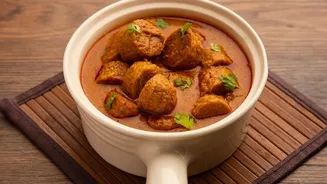
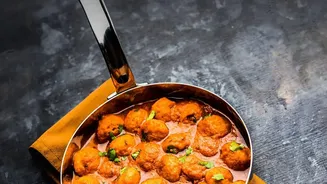
Once your dough is ready, form it into smooth, crack-free balls or oval shapes. A common mistake is frying at the wrong temperature. The oil must be hot enough, but not smoking. A medium-high heat is ideal. If the oil is too cool, the koftas will absorb too much oil and may break apart. If it's too hot, they will brown too quickly on the outside while remaining raw inside. Always fry a single 'test' kofta first. If it holds its shape, proceed with the rest, frying them in small batches of 4-5 to avoid overcrowding the pan and lowering the oil temperature. Fry until they are evenly golden brown, then gently remove with a slotted spoon and place on a paper towel.
Creating the Silky, Luxurious Gravy
A restaurant-style gravy is all about a smooth texture and balanced flavour. The base is typically made from onions, tomatoes, ginger, garlic, and cashews. To achieve the signature creamy colour, use white or yellow onions and don't let them brown; just cook until translucent. After sautéing the aromatics and tomatoes until soft, let the mixture cool before blending it into a fine paste with water. For an exceptionally velvety texture, strain the puréed mixture through a sieve to remove any bits of skin or seeds. This extra step is the key to that luxurious restaurant finish. The gravy is then simmered with spices like turmeric, coriander powder, and a hint of red chilli powder, and finished with cream and a touch of kasuri methi (dried fenugreek leaves).
The Final Assembly: A Common Mistake to Avoid
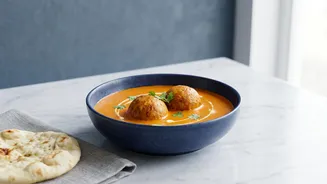
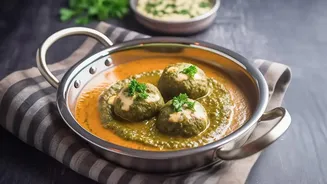
Here is the most critical rule: never boil the koftas in the gravy for an extended period. The delicate dumplings will absorb all the liquid, become soggy, and likely break apart. To serve, gently warm the gravy. Place the fried koftas in a serving dish and pour the hot gravy over them just before you are ready to eat. Let them sit for just a minute or two to absorb the flavours without losing their texture. Garnish with a swirl of fresh cream and chopped coriander for that final, elegant touch. By keeping the components separate until the last moment, you ensure every bite is a perfect combination of a crisp-yet-soft kofta and a rich, creamy sauce.