




The Ancient Probiotic Cooler
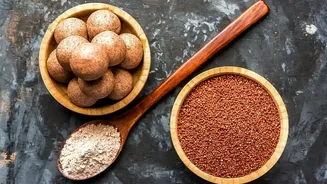
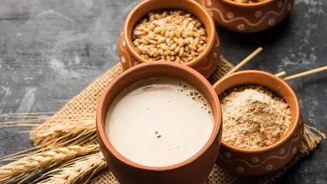
Ambali, also known as Ragi Ambali or Ragi Java, is a traditional beverage with deep roots in South India, particularly in states like Karnataka, Andhra Pradesh, and Tamil Nadu. At its core, it is a humble porridge or gruel made from finger millet (ragi)
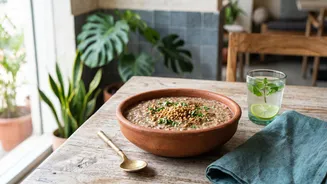
flour. The process is simple yet transformative: ragi flour is cooked into a paste, cooled, and then left to ferment, often overnight. This fermentation is what gives the drink its characteristic mild, tangy flavour and unlocks many of its health benefits. Traditionally, it has been a staple for farmers and rural communities, consumed as a filling and cooling breakfast to provide sustained energy for the day. It can be served savoury, mixed with buttermilk, salt, chopped onions, and spices, or as a sweet version with jaggery.
A Gut-Friendly Superfood
The modern appeal of Ambali lies in its powerful nutritional profile, starting with fermentation. This natural process transforms the millet porridge into a rich source of probiotics, the beneficial bacteria that are crucial for a healthy gut microbiome. These live cultures, similar to those in yoghurt, can improve digestion, reduce bloating, and support overall immunity. Furthermore, fermentation breaks down phytic acid, a compound in grains that can hinder mineral absorption. This means the body can more effectively access the impressive amount of calcium and iron naturally present in ragi. Finger millet itself is a powerhouse, packed with dietary fibre, protein, and essential amino acids, and it's naturally gluten-free. Its high fibre content promotes satiety, aiding in weight management, while its low glycemic index helps in regulating blood sugar levels.
From Rural Roots to Urban Menus
For generations, Ambali was the definition of functional food—a practical, nourishing, and affordable drink for sustenance. In rural Karnataka, it’s been consumed by everyone from farmers before fieldwork to nursing mothers and children. Its re-emergence in city cafes is part of a larger cultural shift. As urban Indians become more health-conscious, there is a growing interest in rediscovering and embracing traditional, indigenous foods. This movement values not just the health benefits but also the authenticity and wisdom of ancestral dietary practices. The rise of millets, championed for their sustainability and nutritional superiority over refined grains, has also paved the way for drinks like Ambali to enter the mainstream. Cafes are tapping into this trend, recognising a demand for alternatives to sugary, processed beverages.
The Modern Cafe Makeover
While the soul of Ambali remains traditional, its presentation in city cafes is getting a contemporary refresh. Where it was once served in simple steel tumblers, it might now appear in chilled glasses, garnished with fresh herbs, or offered with customisable toppings. Some cafes are experimenting with slight flavour variations, adding roasted cumin powder, black pepper, or even a spoonful of flax meal to enhance its appeal and nutritional value. This modern facelift makes the drink more approachable to a younger audience that appreciates both wellness and aesthetics. It is being positioned not just as a drink, but as a wholesome liquid meal that is perfect for a light breakfast or a mid-day refresher. By placing it alongside kombucha and cold-pressed juices, cafes are validating Ambali's status as a legitimate wellness drink for the modern consumer.