

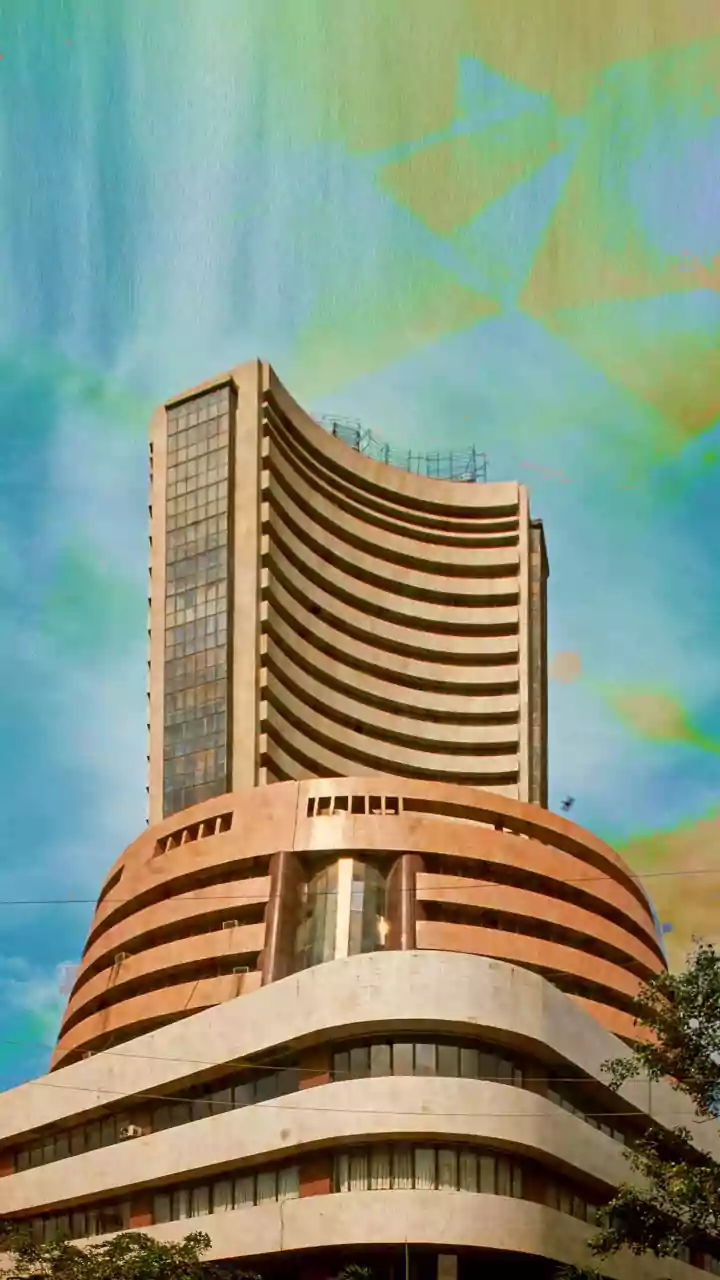






What Did the RBI Announce?
In its October 2026 meeting, the RBI's Monetary Policy Committee (MPC) unanimously decided to increase the repo rate by 25 basis points (bps), or 0.25%, taking it to 5.50%. More importantly, the central bank changed its policy stance to 'calibrated tightening'.
In simple terms, RBI Governor Sanjay Malhotra has signalled that rate cuts are 'off the table' for now, and future moves will likely be either another hike or a pause. This decision marks a formal end to the accommodative cycle and the beginning of a tightening phase, where the cost of money is set to rise.
Why is This Happening Now?
The RBI's move is a pre-emptive strike against rising inflation. While India's economy has shown strong resilience with GDP growth for FY27 projected at a healthy 7.1%, inflation is becoming a concern. The RBI has revised its inflation forecast for the year to 5.2%, expecting it to touch 6% in the third quarter, which is the upper limit of its tolerance band. This is being driven by several factors, including rising global crude oil prices due to geopolitical tensions, supply chain disruptions, and the impact of a deficient monsoon on food prices. With strong economic growth providing a cushion, the RBI is now prioritising inflation control.
The Impact on Your Loans
If you have a home, car, or personal loan, this is where you'll feel the most immediate impact. Most floating-rate loans taken in recent years are linked to the RBI's repo rate. When the repo rate goes up, banks typically pass on the increased cost to you. For a Rs 50 lakh home loan, a 0.25% rate hike could increase your Equated Monthly Instalment (EMI) by around Rs 800, depending on your remaining tenure. While this might seem small, experts believe this could be the first of several hikes, meaning your EMIs could rise further in the coming months. Borrowers with fixed-rate loans will not see any change, but new loans will now be priced higher.
A Silver Lining for Savers
While borrowers may feel the pinch, rising rates are good news for savers, especially those who rely on fixed deposits (FDs). As banks increase their lending rates, they will also need to attract more deposits by offering higher interest rates on savings products. If you have been disappointed by low FD rates over the past few years, this new cycle could bring relief. Banks are expected to gradually increase the rates offered on new fixed deposits. This means it might be a good time to reconsider your savings strategy and look for opportunities to lock in higher returns on your fixed-income investments.
What Should You Do Now?
This new rate cycle calls for a proactive approach to your finances. For borrowers with floating-rate loans, it's crucial to budget for potentially higher EMIs. If possible, consider making partial prepayments to reduce your outstanding principal, which can help offset the impact of rising rates. Savers, on the other hand, should be on the lookout for better FD rates but may want to wait for a few more weeks to see if banks announce further increases before locking in their funds for a long tenure. Finally, reviewing your overall investment portfolio with a focus on managing debt is a wise step in a rising interest rate environment.