
Autumn’s Celestial Headliner: The Orionids
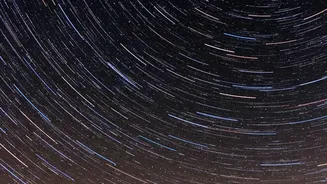
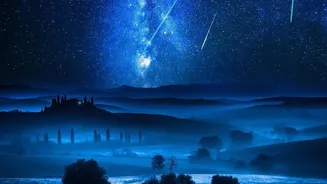
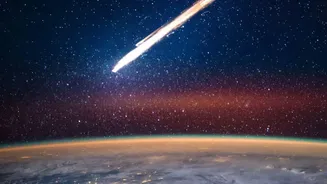
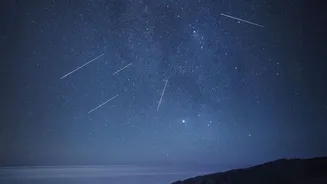
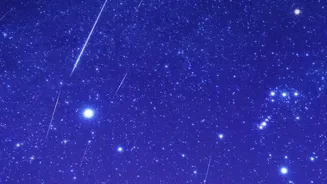
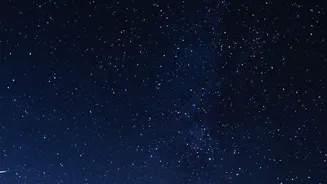
The main event this autumn is the Orionid meteor shower. These meteors are actually tiny, fast-moving pieces of debris left behind by the famous Halley’s Comet. They get their name because they appear to radiate from a point near the constellation Orion,
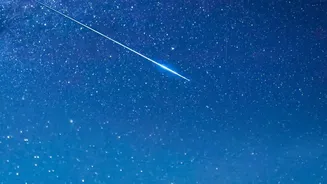
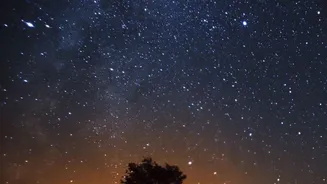
the Hunter. This year, the shower peaks on the nights of October 21 and 22. While not as prolific as the Perseids, you can expect to see a respectable 15 to 25 meteors per hour under ideal conditions. Orionids are known for being particularly fast and bright, often leaving glowing trails that linger for a few seconds.
The Moon Hack for 2026
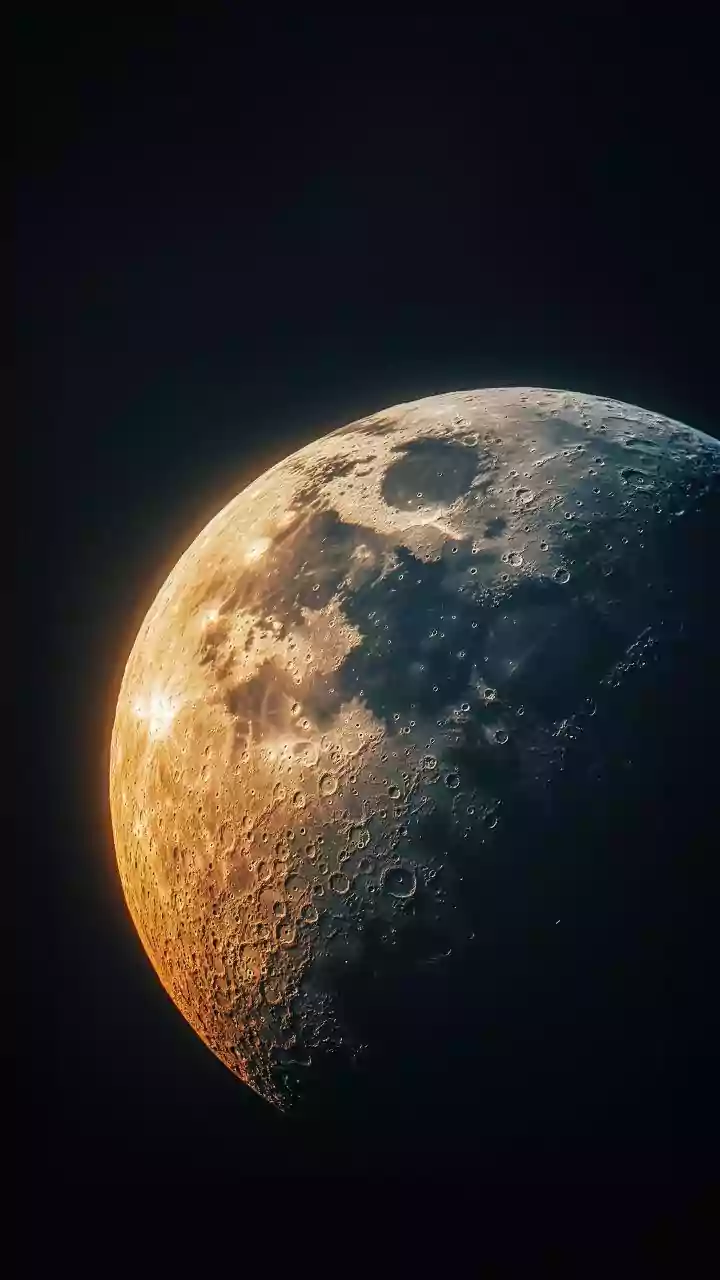
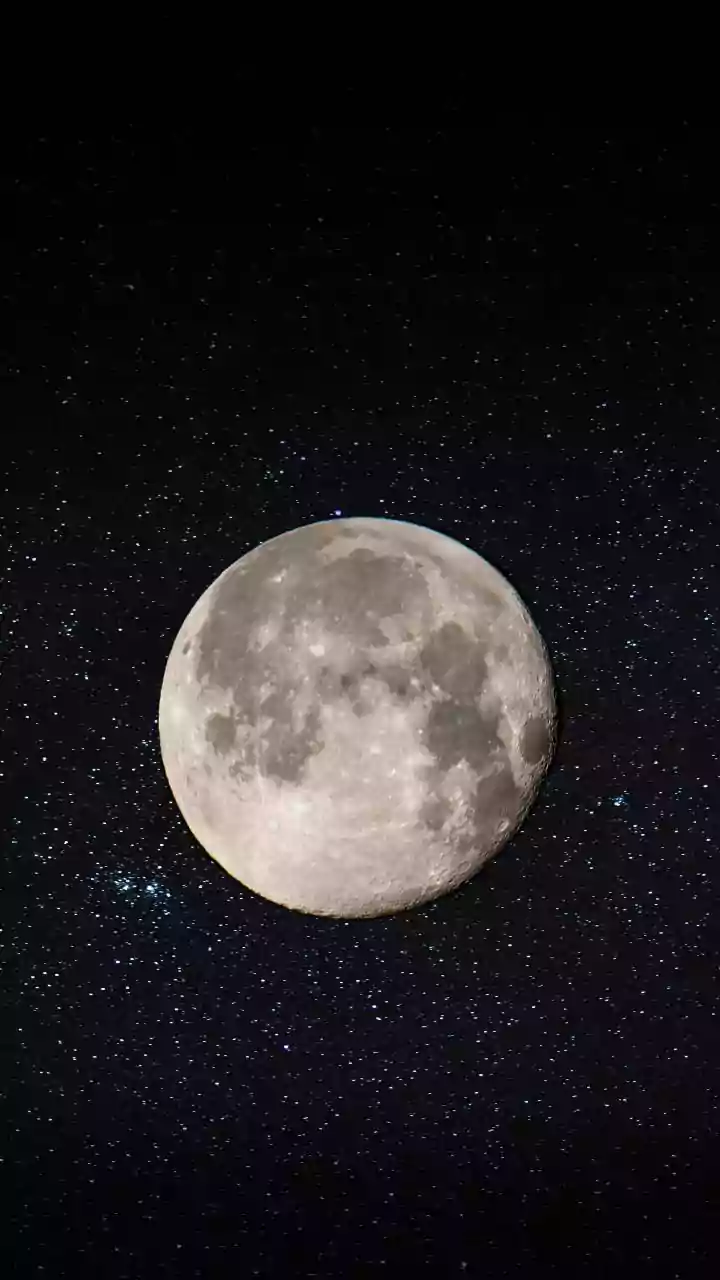
There’s a catch for the Orionids this year: a bright waxing gibbous moon will be in the sky during the early part of the night, washing out fainter meteors. But this is where the real hack comes in. Don't go out at midnight; plan for an early morning instead. The moon will set a few hours before dawn. That period between moonset and the first light of sunrise is your prime viewing window. Check local moonset times for your location, but generally, aiming for between 3 AM and 5 AM on the mornings of October 22 and 23 will give you the darkest skies and the best show.
The First Rule: Escape the City
The single most important factor for good stargazing is escaping urban light pollution. City skies are often rated 8 or 9 on the Bortle scale, a measure of sky darkness, meaning you can only see a handful of stars. To see a meteor shower, you need to get to a location with a Bortle rating of 4 or lower. This typically means driving at least 50-100 kilometres away from any major city. Look for state parks, agricultural areas, hill stations, or coastal regions with minimal development. The goal is to find a spot with a wide, unobstructed view of the sky, far from streetlights and building glare.
India’s Dark Sky Sanctuaries
For those willing to travel, India has several world-class stargazing destinations. Hanle in Ladakh is the country's first official Dark Sky Reserve, offering pristine, Bortle Class 1 skies. Other phenomenal locations include the high-altitude deserts of Spiti Valley in Himachal Pradesh and the surreal salt flats of the Rann of Kutch in Gujarat. For those in the south, the coffee plantations of Coorg, Karnataka, offer accessible dark skies away from the monsoon season. Even if you can't get to these prime spots, using a light pollution map online can help you find the darkest possible location within a weekend's journey.
Gear Up for Comfort, Not Complexity
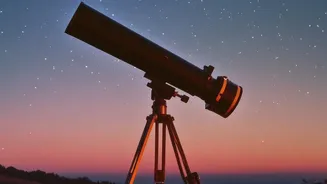
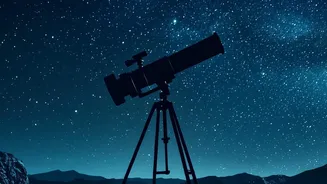
You don’t need expensive equipment. In fact, a telescope is a bad choice for meteor showers because it has a very narrow field of view. Your best tools are your own eyes. Binoculars can be a fun addition for gazing at the moon or star fields, but they are not essential for meteors. Your priority should be comfort. Autumn nights can get cold, even in warmer regions. Bring a reclining chair or a thick blanket to lie on. Pack warm layers, a cap, snacks, and a flask of something warm to drink. The more comfortable you are, the longer you will be willing to stay out and watch.
Patience and Night Vision
Once you’ve found your spot, the final hack is patience. It takes your eyes about 20 to 30 minutes to fully adapt to the darkness, a process called dark adaptation. During this time, you must avoid all sources of white light, especially your phone screen. Even a quick glance will reset your night vision, and you’ll have to start the waiting process all over again. If you need a torch, use one with a red light, as it doesn't interfere with your night vision. Then, just lie back, look up at the darkest part of the sky, and wait. Meteors come in spurts; you might see none for ten minutes and then three in one minute. That's all part of the magic.
Bonus Show: The Leonids in November
The celestial calendar has one more treat before winter. The Leonid meteor shower will peak on the night of November 17-18. This is a more modest shower, with about 10-15 meteors per hour, but the Leonids are known for being exceptionally fast and bright. While there will be some interference from a first-quarter moon, the viewing conditions are still good enough to catch some spectacular shooting stars, especially in the hours after midnight.