
The Temperature 'Danger Zone' Explained
The most important concept in food safety is the 'temperature danger zone'. Food safety experts define this as the range between 5°C and 60°C. In this range, bacteria can multiply incredibly fast, sometimes doubling in as little as 20 minutes. Leaving
cooked food to sit at room temperature for too long is an open invitation for these bacteria to thrive, turning delicious leftovers into a potential source of foodborne illness. The goal is to move food through this danger zone as quickly as possible, especially when cooling it for storage. According to safety guidelines, food should be cooled from its cooking temperature to around 21°C within two hours, and then down to 5°C or below in the next four hours.
Why Large, Covered Pots Are a Problem
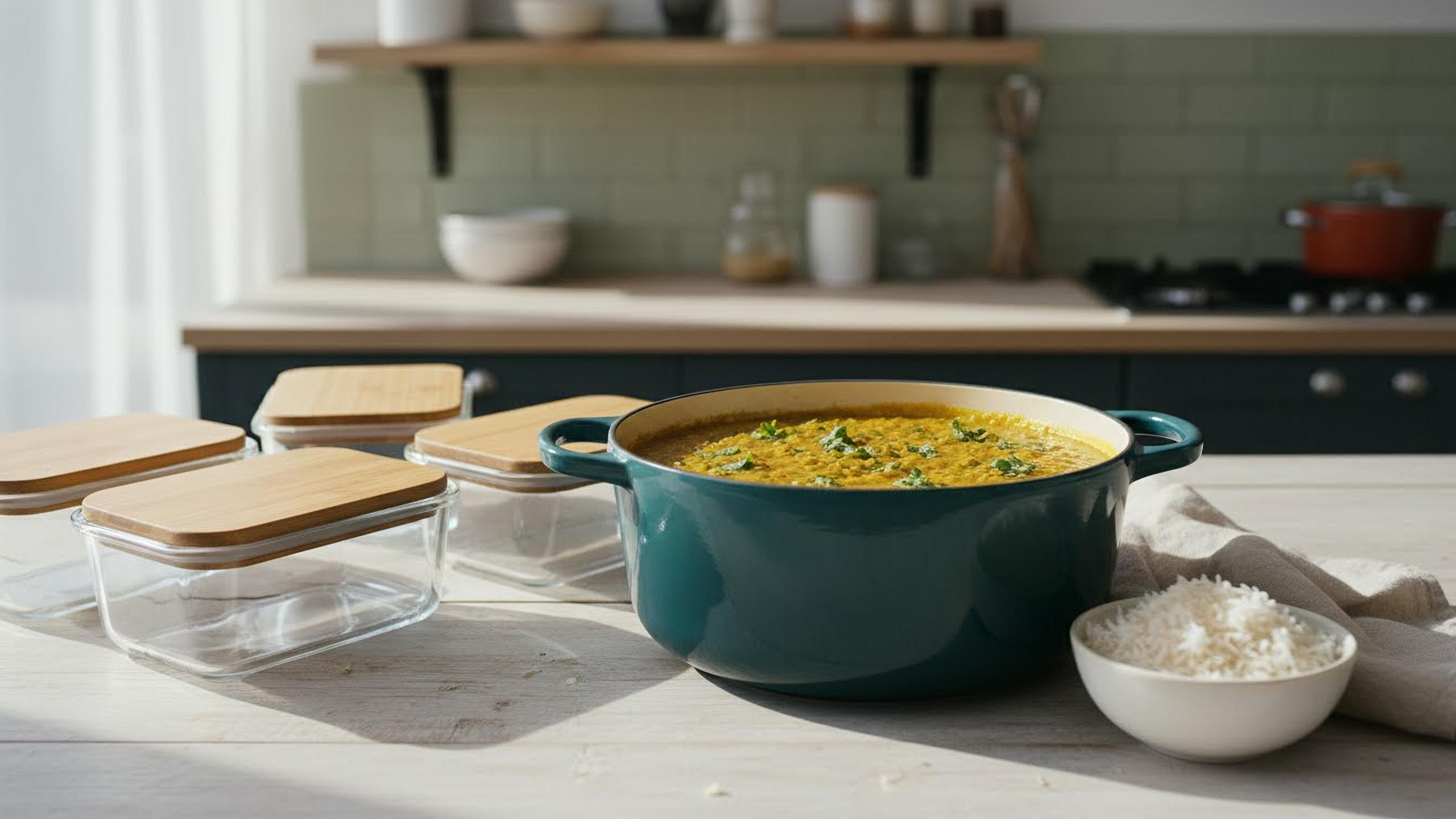
It seems logical to simply put the lid on a large pot and let it cool on the counter, but this is one of the riskiest things you can do. A large, dense pot of food, like a thick dal or a hearty biryani, acts as an excellent insulator. By putting a lid on top, you trap steam and heat, essentially creating a perfect, long-lasting incubator for bacteria. The food in the centre of the pot can stay in the danger zone for many hours, long after the outside of the pot feels cool to the touch. This slow, passive cooling is precisely what food safety guidelines warn against.
The Golden Rule: Divide and Conquer
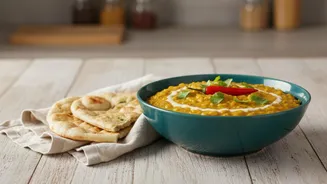
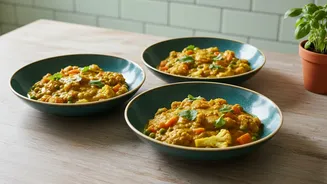
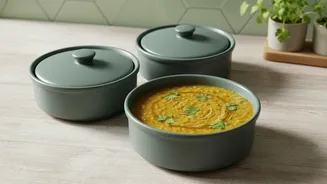
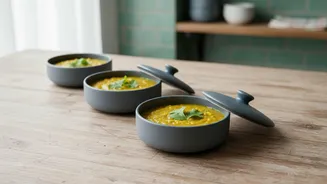
The single most effective way to cool a large batch of food is to increase its surface area. Instead of letting that giant pot of sambar cool on its own, divide it into several smaller, shallower containers. This technique, known as the 'divide and conquer' method, allows heat to escape much more rapidly from all sides. For something like biryani or pulao, you can spread it out on a large, clean tray or in a few wide, shallow dishes. This simple step can dramatically reduce the time your food spends in the temperature danger zone, ensuring it cools down safely and quickly.
Speed Up Cooling With Active Methods
If you're in a hurry or dealing with very dense liquids like soups and stews, you can take a more active role in the cooling process. One of the most effective methods is an ice bath. Place your smaller containers of hot food into a larger basin or sink filled with ice and cold water. Stir the food occasionally to help distribute the cold and speed up cooling even further. For a large pot you don't want to divide, you can still place the entire pot in an ice bath, but be sure to stir it frequently. This direct and active cooling pulls heat out of the food far more effectively than air cooling alone.
Cool Before You Refrigerate
There's a persistent myth that you should never put hot food in the refrigerator. While modern refrigerators are powerful, placing a large, steaming pot inside is still not a good idea. The hot container will raise the ambient temperature inside the fridge, forcing the appliance to work overtime and potentially warming up other foods, putting them at risk. Furthermore, the condensation created by the hot food can make other items soggy or cause ice to form. The best practice is to cool your leftovers down using the methods above until they are at least at room temperature before placing them, well-covered, into the fridge.
Choosing the Right Containers
The containers you use are also part of the plan. While plastic containers are common, stainless steel or glass containers can help transfer heat away from the food more quickly. Shallow, wide containers are always better for cooling than deep, narrow ones. Once the food is completely cool, transfer it to airtight containers for storage in the fridge. This prevents cross-contamination, stops the food from absorbing other odours, and helps maintain its quality. For easy meal prep, consider using individual portion-sized containers that can go from the fridge to the microwave.