





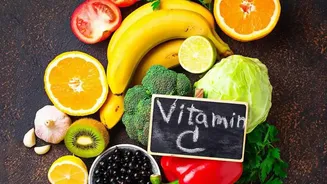
Why Eat Seasonally During Monsoon?
The monsoon season can be challenging for our bodies. The high humidity can weaken our digestive system and create a breeding ground for bacteria, leading to a rise in water-borne diseases and infections. Nutrition experts and Ayurvedic principles suggest
that eating local, seasonal produce is one of the best ways to stay healthy. Foods that are in season are fresher, more nutrient-dense, and naturally equipped to provide what our bodies need to combat the specific challenges of the climate. In August, this means focusing on foods that are easy to digest, boost immunity, and have anti-inflammatory properties.
Jamun (Indian Blackberry)
A quintessential monsoon fruit, Jamun is a powerhouse of Vitamin C and antioxidants. Nutritionists recommend it for its ability to support healthy digestion, a common concern during the rainy season. Its properties help in keeping the gut healthy, which is crucial for a strong immune system. This sweet and tangy fruit is not just a seasonal treat but a functional food that helps the body fight off common infections. It is also rich in iron, making it beneficial for overall health.
Corn (Bhutta/Makai)
The smell of roasted corn is synonymous with rainy days in India for a reason. This humble grain is a healthy and satisfying snack. Rich in fibre and carbohydrates, corn provides sustained energy, which can be beneficial when the gloomy weather makes one feel sluggish. It is a much healthier alternative to the oily, fried snacks that many crave during this season. Opting for steamed or roasted bhutta is a simple way to enjoy a comforting monsoon snack without compromising on health.
Pomegranate (Anaar)
Pomegranates are another excellent fruit to include in your August diet. They are packed with Vitamin C and antioxidants that help strengthen the body's natural defences against illness. The anti-inflammatory properties of pomegranates are particularly beneficial during the monsoon when the risk of infections is high. Including this fruit in your diet can help reduce inflammation and support overall immune function, making it a valuable addition to your seasonal plate.
Bottle Gourd (Lauki)
During the monsoon, Ayurveda recommends eating vegetables that are light and easy to digest. Bottle gourd, or lauki, fits this description perfectly. It has a high water content and is rich in fibre, which aids digestion and prevents constipation. As our metabolism tends to slow down during the rains, incorporating light vegetables like lauki into soups, stews, or simple curries can prevent bloating and keep the digestive system running smoothly. It's a simple, versatile vegetable that is ideal for a healthy monsoon diet.
Bitter Gourd (Karela)
While its bitter taste may not be for everyone, bitter gourd is highly recommended by health experts for the monsoon. It has excellent antimicrobial properties that can help fend off infections. It is also known to be beneficial for gut health and boosting immunity. According to Ayurvedic principles, its digestive qualities make it particularly suitable for the rainy season when the digestive fire ('agni') is considered to be weaker. Cooking it in a curry or stir-fry can make it more palatable while retaining its health benefits.
Pears and Plums
August is also the season for juicy pears and plums. Pears are a good source of fibre and are gentle on the stomach. Plums are rich in vitamins, iron and antioxidants, which are vital for maintaining a strong immune system. These fruits can help manage common digestive issues like diarrhoea and provide a natural boost of energy. Enjoy them fresh and well-washed as a healthy snack or add them to your breakfast bowl for a nutritious start to the day.