







The New Retail Landscape
For decades, organised retail—shopping malls, brand showrooms, and hypermarkets—was a metro city phenomenon. Smaller towns had their local markets, but career-track retail jobs were scarce. That has changed dramatically. Driven by rising disposable incomes,
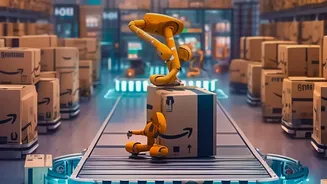
digital connectivity, and aspirational consumers, major national and international brands are aggressively expanding into non-metro areas. This isn't just about building more stores. It's an expansion of the entire retail ecosystem, including e-commerce fulfilment centres, logistics hubs, and sophisticated back-end operations, creating a surge in new infrastructure and employment.
Beyond the Sales Floor
The modern retail sector offers far more than traditional customer-facing roles. As companies build complex 'omnichannel' models that blend physical and digital sales, they need a new class of skilled professionals. This has opened up diverse employment avenues that are a perfect fit for college graduates. These roles include supply chain management, logistics, warehouse operations, digital marketing, and data analytics. Companies need managers to run their new stores, visual merchandisers to design appealing layouts, and inventory managers to handle stock. This diversification means a graduate with a degree in commerce, business administration, or even technology can find a relevant and challenging career in the retail industry without having to relocate.
The Skills That Match
Today's retail jobs demand a blend of soft skills and technical knowledge, which aligns well with the training of many college graduates. Communication, problem-solving, and customer service are crucial, but so are digital literacy and data analysis. Graduates are increasingly equipped to manage Point of Sale (POS) systems, interpret sales data to make business decisions, and understand the basics of Customer Relationship Management (CRM) software. E-commerce has particularly fuelled demand for skills in digital marketing, data management, and social media handling. This creates a strong synergy, where the skills imparted in higher education are now directly applicable to the sophisticated jobs emerging in local economies.
The 'Glocal' Advantage
For retailers, hiring local graduates isn't just about filling positions—it's a strategic advantage. Local talent possesses an invaluable understanding of the regional culture, consumer behaviour, and language nuances. This 'glocal'—global brand, local insight—approach is critical for companies that want to connect authentically with new customers in Tier-2 and Tier-3 markets. Local graduates can help tailor marketing campaigns, merchandising, and customer service to regional tastes, providing a competitive edge that an outsider might struggle to replicate. This makes them highly sought-after, turning their local knowledge into a valuable professional asset.
A Win-Win for Towns and Talent
This trend creates a powerful, symbiotic relationship. Retailers gain access to a stable, educated, and cost-effective workforce that understands the local market intimately. In turn, local college graduates are presented with meaningful, upwardly mobile careers in fields like management, technology, and marketing right in their hometowns. This helps curb the 'brain drain' that has historically challenged smaller cities, keeping talent and income within the community. The growth of these jobs stimulates the local economy further, creating a virtuous cycle of development, rising incomes, and even more opportunities for skilled professionals in the future. Online vendors, on average, employ more people than their offline counterparts, and also hire more women, contributing to more inclusive growth.