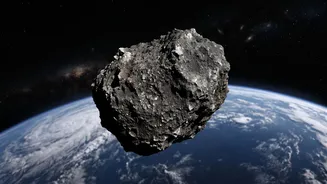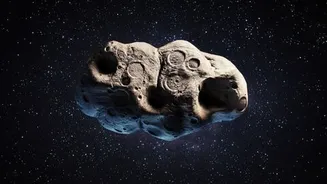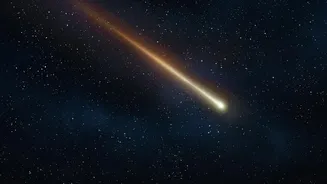



In the vastness of space, it’s easy to overlook the small stuff. But one object, a tiny rock named 1998 KY26, is proving that size isn't everything. Measuring just eleven metres across, it presents one of the most intriguing puzzles in our solar system.
A Cosmic Spinning Top
Imagine an object in space about the size of a large school bus. Now, imagine it spinning so fast that its day lasts just over five minutes. That's 1998 KY26. Discovered in 1998, this near-Earth asteroid is one of the fastest-rotating objects ever observed in our solar system. For years, its size was estimated to be around 30 metres, but more recent observations in 2024 revealed it to be much smaller, at only about eleven metres in diameter. This combination of tiny size and blistering rotation speed is what makes it so baffling to scientists.
The Central Mystery
So, what's the puzzle? Most asteroids are not single, solid rocks but are instead 'rubble piles'—collections of dust and rock held together loosely by gravity. If 1998 KY26 were a typical rubble pile, its rapid spin should have flung it apart long ago. The centrifugal force would be too strong for its weak gravity to overcome. This suggests two main possibilities, both of which are fascinating. Either it is a monolithic object—a single, solid piece of rock with the tensile strength to withstand the spin—or it's held together by forces we don't fully understand. This question is at the heart of why astronomers are so keen to study it up close. Its bright surface also points to an unusual composition, possibly an E-type asteroid rich in a mineral called enstatite.
A New Mission for Hayabusa2
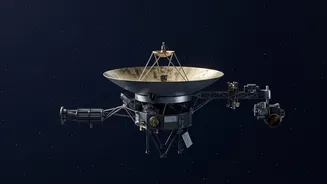
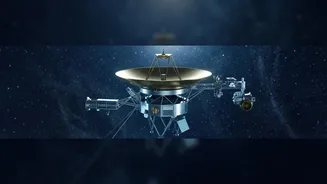
The good news is that answers may be on the horizon. The Japan Aerospace Exploration Agency (JAXA) has directed its celebrated Hayabusa2 spacecraft towards 1998 KY26. After successfully returning samples from the larger asteroid Ryugu in 2020, the probe had enough fuel for an extended mission. Its new target, 1998 KY26, will be the smallest asteroid ever visited by a spacecraft when Hayabusa2 arrives in July 2031. The mission, now called Hayabusa2#, will give scientists an unprecedented close-up look at this tiny, fast-spinning world, helping to determine its structure and composition.
Why We Study These Tiny Worlds
Studying a small, distant rock might seem like a niche scientific pursuit, but it has profound implications. First, there's the matter of planetary defense. Thousands of near-Earth objects are in this 'decameter' size class (tens of metres across). An impact from an object like this could cause significant regional damage, similar to the 2013 Chelyabinsk event in Russia. Understanding whether these asteroids are solid monoliths or loose rubble piles is critical for developing effective strategies to deflect a potential threat. Second, these tiny asteroids are considered primordial relics from the formation of our solar system. Studying them is like cosmic archaeology, offering clues about the building blocks of planets and the origins of life.
Unusual Theories and Future Observations
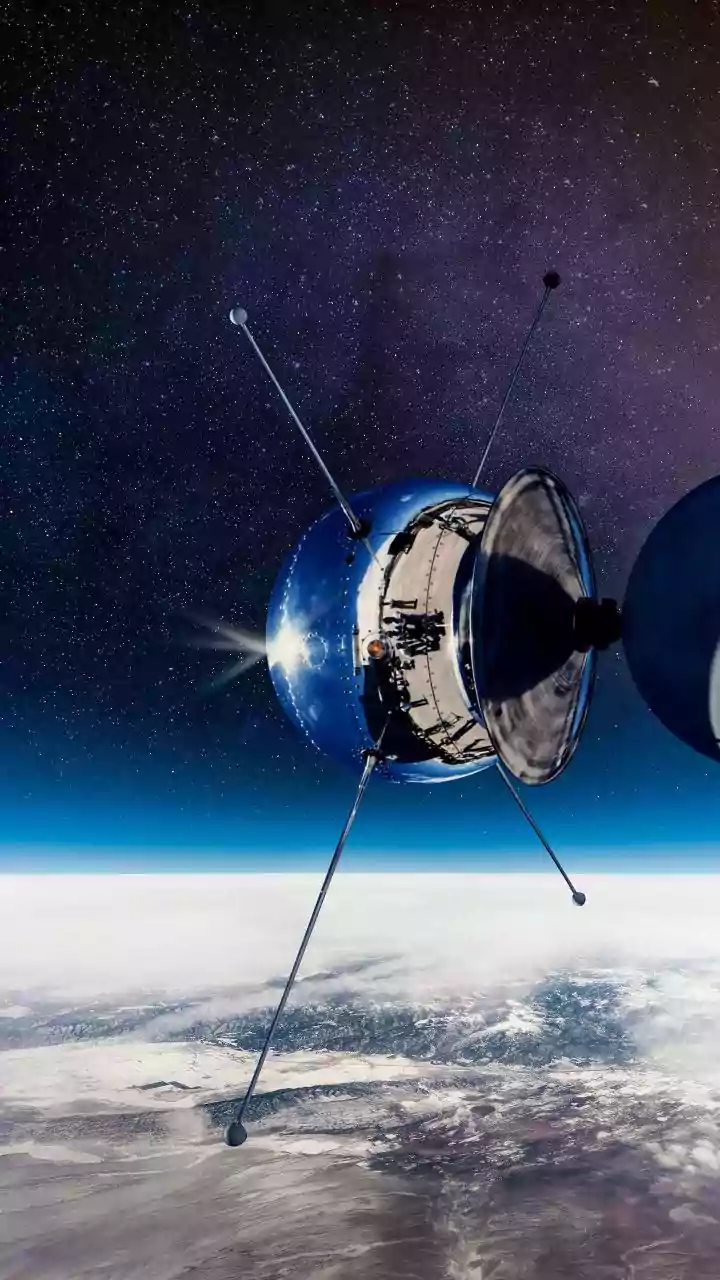
The oddities of 1998 KY26 don't stop at its spin. The asteroid also shows slight, unexplained accelerations in its orbit. This led some to classify it as a 'dark comet'—an object that releases gases without a visible tail, causing it to speed up. However, recent modeling suggests the asteroid is too warm to retain the ice needed for this to happen. An even more speculative theory from some researchers, including Harvard scientist Avi Loeb, proposes that the object's characteristics are consistent with the lost Soviet Phobos 1 probe, which went silent in 1988. While most astronomers focus on its natural origins, these debates underscore just how little we know. The rendezvous with Hayabusa2 in 2031 promises to finally replace speculation with hard data.