



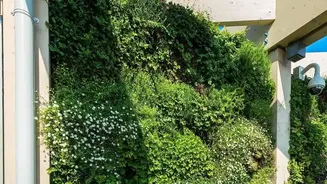
Vertical gardens bring lush greenery to small spaces, but the thought of upkeep can be daunting. The secret to a thriving wall garden isn't constant work; it's smart planning from the start. Here’s how to make it manageable.
Start with the Right System
The foundation of a low-maintenance
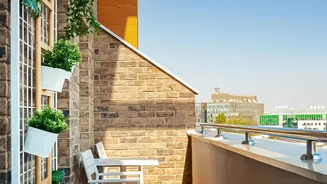
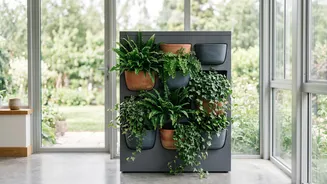
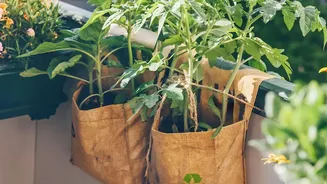
garden is the structure itself. For Indian homes, options range from simple railing planters to more complex modular wall panels. Modular systems with interlocking pots are great for creating a dense 'living wall' and often come with channels for easy irrigation. For a simpler start, consider tiered stands or fabric pocket planters, which are affordable and easy to install. When choosing, consider the material. Rust-resistant coated metal is crucial for longevity, especially in coastal cities, while UV-treated plastic planters will withstand harsh sunlight. Remember that wet soil is heavy, so ensure your wall or railing can support the final weight.
Watering Wisely to Avoid Hassle
Watering is the biggest ongoing task. Gravity is a key challenge; it pulls water downwards, often leaving top-tier plants dry while waterlogging the bottom ones. The most effective solution is a drip irrigation system. These systems deliver water directly to each plant's base, ensuring even moisture and saving you daily effort. You can buy pre-made kits or even assemble a simple one with a small pump and timer. If an automated system isn't for you, choose planters with built-in reservoirs that reduce watering frequency. For manual watering, always water the top rows slowly, allowing the moisture to soak in and drip down naturally to the lower levels.
Choose Your Plants Smartly
Plant selection is critical for an easy-care vertical garden. Focus on hardy, low-maintenance varieties that are well-suited to India's diverse climates and have shallow root systems. For sunny, exposed walls, succulents like Portulaca and Aptenia are excellent as they tolerate heat and store water. Other great sun-lovers include the Vinca (Sadabahar) and dwarf Bougainvillea. For shaded balconies or indoor walls, you can't go wrong with forgiving plants like the Money Plant (Pothos), Philodendron, and Spider Plant. Ferns also add a lush, feathery texture and thrive in humid conditions. Grouping plants with similar light and water needs together makes maintenance much simpler.
The Right Soil Makes a Difference
Vertical planters have limited soil volume, so the growing medium you use is vital. Heavy garden soil will compact, suffocate roots, and make the structure dangerously heavy. Instead, use a lightweight, well-draining potting mix. A good blend often contains cocopeat for moisture retention, and perlite or vermiculite for aeration, which keeps the soil fluffy. Because nutrients in containers get used up quickly, you'll need to replenish them. Plan to add a balanced liquid fertiliser to your watering routine every few weeks during the growing season to keep your plants fed and flourishing.
Simple, Regular Upkeep
A 'low-'maintenance'' garden is not a 'no-'maintenance'' garden. The key is establishing a simple routine. A monthly check-'up'' is often sufficient. Regularly snip off any yellowing leaves or spent flowers to encourage new growth and keep the wall looking tidy. Pruning also improves airflow, which is a key defence against common pests like aphids and spider mites. Keep an eye out for any signs of pests and remove affected leaves immediately. For minor infestations, a simple spray of water or neem oil is often enough to solve the problem. This small amount of regular attention prevents larger issues from developing, ensuring your vertical garden remains a beautiful, living feature for years.