


Embrace the Gourds
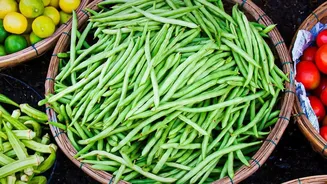
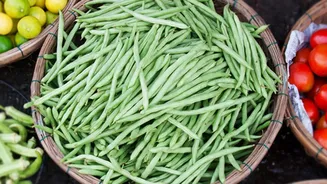
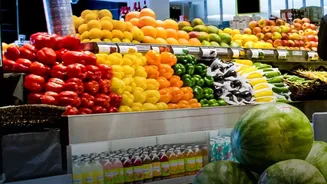
The stars of the monsoon are undoubtedly gourds. Vegetables like lauki (bottle gourd), karela (bitter gourd), turai (ridge gourd), and parwal (pointed gourd) are hardy and thrive in this season. Their tough skins offer better protection against the elements,
and they are less likely to be waterlogged or infested. These vegetables are not only safer to consume but are also packed with essential nutrients and fibre that aid digestion, which can be sluggish during the humid months. When picking gourds, look for firm, unbruised skin and a vibrant colour. They should feel heavy for their size and be free from soft spots or blemishes.
Be Wary of Leafy Greens
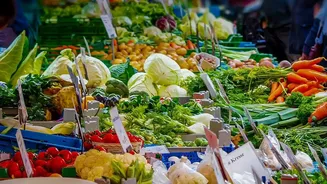
While usually a sign of health, leafy green vegetables like spinach (palak), lettuce, and methi require extra caution during the rainy season. The dampness and mud make them a magnet for dirt, grit, and microorganisms. Their delicate, layered structures can trap germs and tiny worms that are difficult to wash away completely. This increases the risk of stomach infections. If you must have them, opt for well-cooked preparations rather than raw salads. Health experts suggest that if you do buy leafy greens, you should wash each leaf individually and soak them in a salt or vinegar solution before cooking thoroughly to kill any hidden pathogens.
Inspect Cruciferous Vegetables Carefully
Vegetables like cauliflower and cabbage, with their tightly packed florets and layers, can be a perfect hiding spot for pests and worms, especially during the monsoon. The moisture trapped within their heads creates an ideal environment for pests to breed. When buying these, inspect them meticulously. Look for any tiny holes or discoloured patches on the outer leaves. It's often recommended to separate the florets or leaves and soak them in warm salt water for about 15 minutes to help draw out any hidden insects before you proceed with cooking. Some nutritionists advise limiting these vegetables during peak monsoon due to the high risk of contamination.
Choose Your Roots and Tubers Wisely
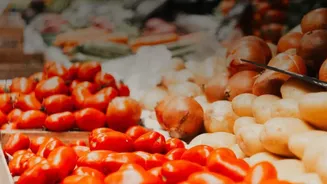
Root vegetables that grow underground, like carrots and radishes, can be prone to soil contamination, which gets worse during the rains. However, hardier tubers like yams (suran) and sweet potatoes often fare better. When it comes to potatoes, be particularly vigilant about any that have started sprouting. Sprouted potatoes develop higher levels of a toxic compound called solanine, which can cause nausea and digestive issues. Always choose firm, smooth-skinned potatoes and store them in a cool, dark place to prevent sprouting. For all root vegetables, a thorough scrub with a brush under running water is non-negotiable.
Handle Fungi and Other Veggies with Care
Mushrooms thrive in damp conditions, which also makes them highly susceptible to carrying bacteria and pathogens from the soil during the monsoon. It is advisable to buy them from a reliable source and cook them thoroughly. Similarly, vegetables like brinjal (eggplant) can be riskier during this season. Pests are more common in the monsoon, and to protect itself, brinjal can produce higher levels of natural toxic compounds called alkaloids, which might cause allergic reactions in some people. Bell peppers (capsicum) can also pose issues, as certain compounds they contain can be harder on a sensitive digestive system during this season.
Perfect Your Cleaning and Storage Routine
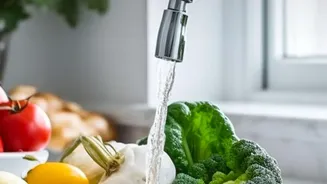
No matter which vegetables you buy, proper cleaning and storage are key to food safety in the monsoon. Always wash vegetables thoroughly under clean, running water. For extra safety, a short soak in a solution of water with a bit of salt or vinegar can help remove microbes and pesticide residues. After washing, drying is the most crucial step. Moisture is the enemy, as it encourages mould and rot. Pat your vegetables completely dry with a clean cloth before storing them. Store them in breathable bags or wrapped in paper towels in the refrigerator to keep them fresh and prevent spoilage.