



The End of the Single-Purpose Room
For generations, the blueprint of a home was static. A bedroom was for sleeping, a dining room for eating. But in today's bustling metropolitan India, this fixed approach is becoming a luxury few can afford or even desire. The new mantra is flexibility—a
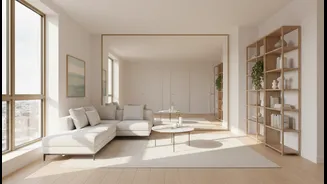
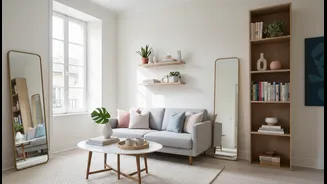
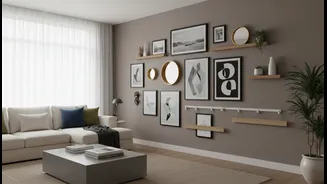
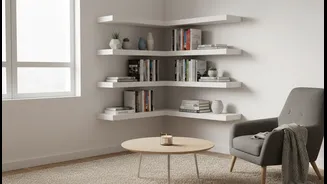
single room that can effortlessly transform to serve multiple needs throughout the day. It might be a living room that becomes a home office with the slide of a partition, a guest bedroom that folds away to create a study area, or a dining table that shrinks to a sleek work desk. This is not just about cramming more function into less space; it's a strategic shift towards making every square foot work smarter, not harder. Architects and designers are increasingly ditching permanent walls in favour of clever zoning with rugs, lighting, or modular shelving to create distinct areas without sacrificing the sense of openness.
Why Now? The Drivers of Change
Several powerful forces are fuelling this trend. The most significant is the reality of urban real estate. Average apartment sizes in India's major cities have been shrinking, forcing a rethink of how space is used. The pandemic also acted as a major catalyst, turning homes into all-in-one offices, schools, and gyms overnight. This intense pressure revealed the limitations of static layouts, with surveys showing a majority of homeowners now desire more multifunctional spaces. Furthermore, there is a cultural shift. With the rise of nuclear families and a younger generation valuing efficiency and minimalism, the home is now expected to be a dynamic backdrop for a varied life, not just a place for rest. It needs to accommodate work, social gatherings, hobbies, and family time, often within the same compact footprint.
Furniture That Works Overtime
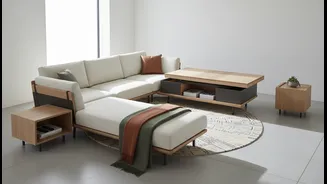
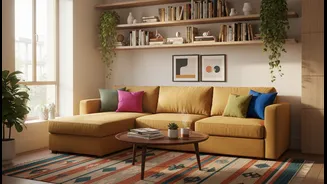
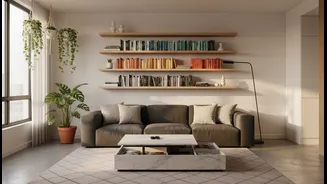
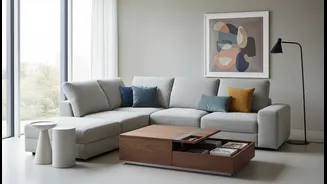
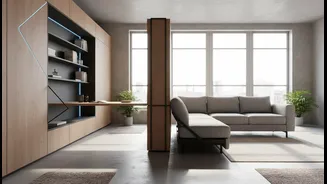
The backbone of the shifting room is multifunctional furniture. These are not the clumsy, impractical pieces of the past. Today's designs are sophisticated, stylish, and engineered for ease of use. The sofa-cum-bed, a long-time staple, has evolved with smooth pull-out mechanisms and integrated storage. Extendable dining tables that remain compact for daily use but expand to host family dinners are becoming essential. Other popular examples include Murphy beds that fold seamlessly into a wall, wall-mounted desks that collapse when not needed, and nesting coffee tables that provide flexible surfaces. Storage has also been reimagined. Ottomans and benches with hidden compartments, and beds with hydraulic lifts revealing massive storage cavities, help keep clutter at bay and maintain an open, airy feel.
Smarter Design, Not Just Smarter Furniture
While furniture is key, the trend extends to the very architecture of the space. Designers are using innovative solutions to create this fluidity. Sliding and folding partitions made of wood or glass are a popular choice, allowing residents to divide or open up a space as needed. This provides privacy for a work call or creates a larger area for a celebration. Developers are now even building this flexibility into new projects, offering apartments with movable walls or semi-enclosed kitchens. Lighting also plays a crucial role. By using different layers and types of light, a single area can transition from a bright, functional workspace to a warm, inviting lounge. A neutral colour palette often serves as a versatile base, allowing the function and mood of the room to be changed with adaptable accents and textiles.