



From Niche Hobby to Travel Trend
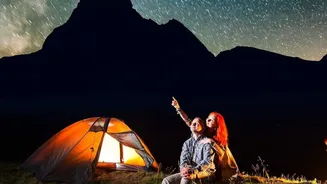
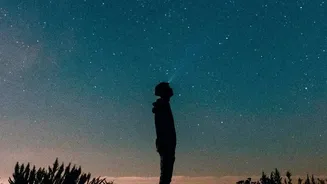
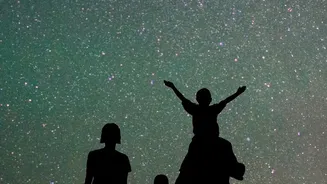
Astrotourism, the practice of travelling for celestial sights, is rapidly shifting from a niche hobby for astronomers to a mainstream travel goal. The appeal is multi-faceted. It’s a chance for a true digital detox, an escape from the constant glare of screens
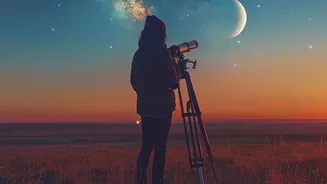
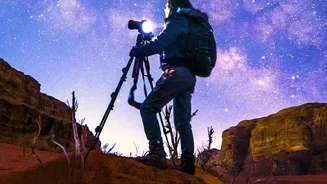
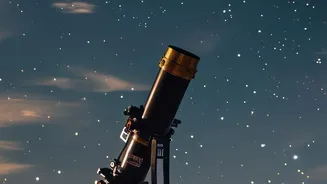
and city lights. For many young urbanites, it offers a powerful antidote to stress and a way to reconnect with nature on a cosmic scale. This isn't just about passive viewing; it's an entire experience. Companies and local communities are creating holistic packages that include telescope sessions, astrophotography workshops, and storytelling under the stars, turning a simple night into a memorable event.
Hanle: India's Celestial Crown Jewel
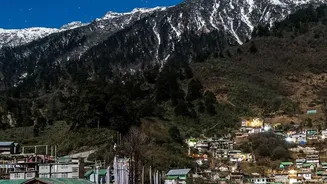
At the forefront of this movement is Hanle in Ladakh. In 2022, a region around the Indian Astronomical Observatory was officially designated as India's first Dark Sky Reserve, a protected area committed to preserving its pristine night skies. Situated at a breathtaking altitude of 4,500 metres, Hanle offers some of the clearest, darkest skies in Asia. The thin, dry air and near-zero light pollution mean the Milky Way is often visible in breathtaking detail to the naked eye. The initiative has also empowered the local community, with villagers trained as astronomy guides, creating a sustainable model where science and tourism converge.
Beyond Ladakh: Where to Find the Stars
While Hanle is the official star, India's diverse geography offers numerous other locations for aspiring stargazers. Spiti Valley in Himachal Pradesh, another high-altitude cold desert, is a long-time favourite for its profoundly dark skies and over 250 clear nights a year. In the west, the vast, flat expanse of the Rann of Kutch in Gujarat provides an unobstructed 360-degree view of the heavens, with the white salt desert floor sometimes reflecting the starlight for a surreal experience. For those in the south, the coffee plantations of Coorg, Karnataka, nestled in the Western Ghats, offer accessible and serene spots away from city glow. Even tiger reserves in Central India, like Pench and Kanha, offer surprisingly dark skies in their buffer zones.
The Rise of Astro-Stays and Observatories
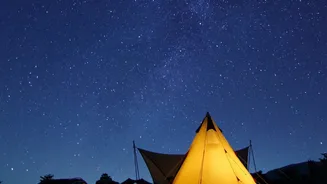
Meeting this new demand is a growing ecosystem of 'astro-stays' and private observatories. Startups are establishing dedicated facilities in places like Kausani and Mukteshwar in Uttarakhand, offering guided sessions with professional telescopes. These retreats make the cosmos accessible even to beginners, providing expert knowledge without the need for a Himalayan trek. In Coorg, luxury resorts now feature stargazing as a key experience, with advanced telescopes and expert guides. Even homestays in remote areas are becoming part of the trend, offering an authentic, community-led way to experience the night sky while supporting the local economy.
How to Plan Your Stargazing Trip
To make the most of your dark-sky adventure, timing is everything. The best viewing period is generally during the new moon phase, when the sky is at its darkest. The clearest months are typically outside of the monsoon season, from October to May, depending on the region. Packing is also key. Even in warmer destinations, nights can get cold, so layers are essential. While many locations now provide telescopes, a good pair of binoculars can significantly enhance your view. Most importantly, be a responsible tourist. Minimise your use of white light by using red-light torches, as it takes the human eye about 20-30 minutes to fully adapt to the dark.