








Understanding Assam’s Bold Character
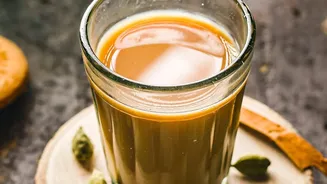
Before diving into the method, it helps to know your tea. Assam tea, grown in the warm, humid lowlands of Northeast India, is famous for its robust and full-bodied character. Made from the Camellia sinensis var. assamica plant, which has larger leaves,
it's known for a signature 'malty' flavour—a comforting, slightly sweet taste reminiscent of toasted grains. This natural richness and strength make Assam an ideal candidate for brewing methods where you want the tea's deep flavour to shine through without being masked by bitterness. It has the body to stand up to chilling and dilution from ice, a problem that often makes lighter teas taste watery.
The Simple Science of a Smoother Brew
The magic of cold brew lies in its chemistry. When you steep tea in hot water, the heat rapidly extracts all sorts of compounds from the leaves. This includes the desirable flavour molecules and caffeine, but also tannins. Tannins are polyphenols responsible for the astringent, dry, and sometimes bitter taste in tea. Hot water is very efficient at dissolving them, which is why a pot of black tea left to steep for even a minute too long can become harsh. Cold water, on the other hand, is much more selective. It slows down the extraction process dramatically. Over several hours in the fridge, the water gently coaxes out the smoother, sweeter flavour compounds and caffeine, but it leaves most of the bitter tannins behind. This means the final brew is fundamentally different: less astringent, less bitter, and naturally sweeter to the taste.
A Step-by-Step Guide to Perfect Cold Brew
Making cold brew Assam at home is surprisingly simple and requires no special equipment. It's a nearly foolproof method because the long, slow steep is very forgiving. 1. Choose Your Ratio: A good starting point is about one to two teaspoons of loose-leaf Assam tea for every 250ml of water. You can adjust this based on how strong you like your tea. For a litre-sized pitcher, use around 6-8 teaspoons. 2. Combine and Steep: Place your loose tea leaves in a clean jar or pitcher. Pour cold, filtered water over the leaves, give it a gentle stir to ensure all the leaves are wet, and then cover it. 3. Be Patient: Place the container in the refrigerator and let it steep for 8 to 12 hours. Some prefer an even longer steep of up to 24 hours for a bolder concentrate, so feel free to experiment. 4. Strain and Serve: Once the steeping time is up, simply strain the tea through a fine-mesh sieve to remove the leaves. Your cold brew concentrate is now ready. Serve it over ice, either straight or diluted with a splash of cold water if you find it too strong.
Why This Method Unlocks Richness
So, how does this process result in a richer flavour? By minimising the extraction of bitter tannins, cold brewing allows the inherent characteristics of the Assam tea leaf to come forward. The deep, malty notes are no longer competing with astringency. Instead of a sharp, brisk bite, you get a rounded, smooth mouthfeel that feels more substantial and complex. The natural sweetness of the tea is more pronounced, reducing the need for added sugar or honey. It’s not just a different temperature; it’s a different extraction profile that rebalances the flavour, letting the tea's true, rich character become the star of the show.
Elevating Your Homemade Drinks
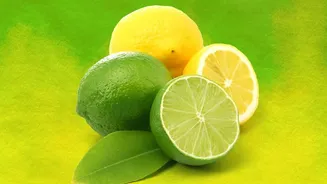
Once you have a pitcher of cold brew Assam, its uses go far beyond a simple glass of iced tea. Its smooth, robust flavour makes it an excellent base for a variety of homemade drinks. Try mixing it with milk or a plant-based alternative for a creamy and refreshing iced latte. The malty notes pair wonderfully with the creaminess. For a brighter take, add a squeeze of fresh lemon or orange, which highlights the subtle fruity undertones of the tea. You can also get creative by infusing the cold brew itself, adding ingredients like fresh ginger slices, mint sprigs, or even a few pieces of fruit like guava or peach during the steeping process for a custom flavour blend.