







The Yogic Path: A Supple Spine for a Long Life
The classical yoga tradition views longevity not just as a number, but as the quality and vitality of one's years. An old yogic saying suggests, “You are only as healthy as your spine is strong and supple.” This philosophy emphasizes harmony between the body
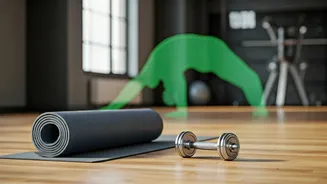
and mind through practices like physical postures (asanas), breath control (pranayama), and meditation. The primary mechanism for a longer, healthier life, from this perspective, is stress management. By activating the body's parasympathetic nervous system—the “rest and digest” system—yoga helps lower chronic stress, which is a known accelerator of aging. Regular practice has been shown to reduce blood pressure, improve circulation, and lower inflammation, all of which are crucial for cardiovascular health. The focus is on creating a resilient nervous system and maintaining mobility, balance, and functional movement, which are key to independence in old age.
The Powerlifter's Argument: Muscle is the Organ of Longevity
In the world of powerlifting and strength training, the key to a long and capable life is muscle. The central argument is the fight against sarcopenia—the natural, age-related decline of muscle mass and function that begins for many in their 30s and accelerates with age. From this viewpoint, muscle isn't just for show; it's a vital metabolic organ. More muscle mass helps regulate blood sugar, increases metabolism, and improves insulin sensitivity. The mechanical stress of lifting heavy weights also signals the body to build and maintain strong bones, reducing the risk of osteoporosis and fractures from falls, a major cause of declining health in later years. The goal is to be robust and 'harder to kill'—possessing the raw strength to get up off the floor, carry groceries, and handle life's physical demands at any age. Studies back this up, showing that regular strength training is linked to a significantly lower risk of early death.
Where the Philosophies Clash
The debate ignites when advocates from each camp point out the other's perceived weaknesses. From the lifter's perspective, yoga, while excellent for flexibility, may not provide the necessary resistance to truly combat sarcopenia or build significant bone density. It’s seen as a great supplement, but not a replacement for the hard work of progressive overload needed to build and maintain muscle mass into old age. On the other side, the yoga community might view a pure powerlifting regimen as a path to injury, tight muscles, and a disregulated nervous system. They might argue that focusing solely on lifting heavy neglects crucial aspects of health like mobility (different from simple flexibility), mindful movement, and the profound impact of stress on aging. The stereotype of the 'muscle-bound but inflexible' lifter versus the 'flexible but weak' yogi persists, fueling the idea that one must choose between strength and suppleness.
A False Debate: The Synergy of Strength and Serenity
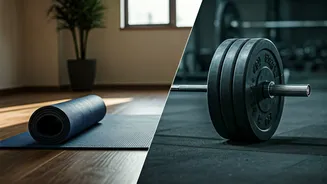
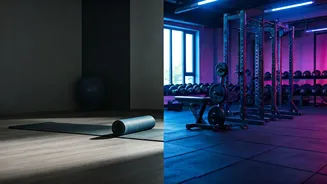
Increasingly, modern fitness science and experienced practitioners are concluding that this debate presents a false choice. The most effective path to longevity isn't about choosing sides but about intelligent integration. Yoga and strength training are not opponents; they are complementary disciplines that cover each other's weaknesses. Strength training provides the muscle and bone density that yoga alone often cannot, while yoga provides the mobility, balance, and body awareness that makes lifting safer and more effective. A lifter who incorporates yoga can improve their range of motion in squats and deadlifts, reducing injury risk. A yogi who lifts weights can build the absolute strength needed to hold challenging arm balances and protect their joints. This combined approach builds a body that is not only strong but also adaptable, resilient, and capable of moving well for a lifetime.