








Beyond the Usual Suspects
While the love affair between monsoon and crispy, fried snacks like pakoras and samosas is eternal, a deeper, more thoughtful trend is simmering in home kitchens across India. The sound of rain is increasingly accompanied by the gentle bubble of a slow-cooked
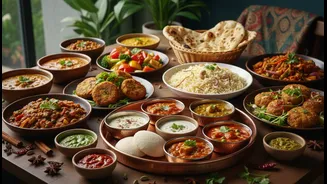
curry or the clink of a spoon against a warm ceramic bowl. This isn't about replacing the classics, but about expanding the definition of monsoon comfort food. It’s a move toward meals that are as nourishing as they are nostalgic, reflecting a collective desire for grounding, wholesome food that feels like a hug from the inside. From regional specialties to modern interpretations, the focus is on dishes that are cooked with time and enjoyed with ease.
The Allure of the Single Bowl
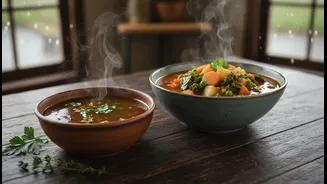
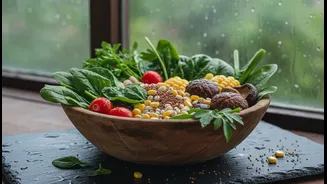
The bowl is the perfect monsoon vehicle. It holds everything together—grains, broth, protein, and vegetables—in a way that feels complete and deeply comforting. Think of a steaming bowl of khichdi, drizzled with ghee, a dish that Ayurveda has long recommended for its digestive ease during the humid months. But the trend extends far beyond this classic. Kitchens are embracing everything from Tibetan thukpa and South Indian sambar vada to hearty rajma bowls and modern grain bowls with millets and roasted vegetables. The appeal is practical and emotional. A single bowl simplifies the meal, making it easier to eat while curled up on the couch, and provides a complete, balanced meal without the fuss of multiple dishes. It's a style of eating that feels both contemporary and deeply traditional.
Slow Simmers and Rich Flavours
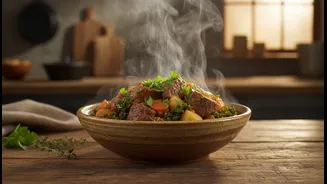
Alongside warm bowls, slow-simmered dishes are making a major comeback. These are the recipes that can’t be rushed, where flavours meld and deepen over hours. Bengali Kosha Mangsho, a slow-cooked mutton curry, is a prime example of a weekend indulgence perfect for a rainy day. Similarly, Bihari specialties like Champaran Mutton, cooked in sealed earthen pots, fill the home with an irresistible aroma. These dishes are about more than just taste; they are about the process. The act of slow cooking itself is a form of comfort, a meditative practice that stands in contrast to the fast-paced nature of modern life. It’s a conscious decision to slow down and savour the season, letting time do the work to create rich, complex flavours that store-bought pastes can't replicate.
A Return to Tradition and Wellness
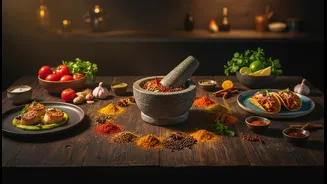
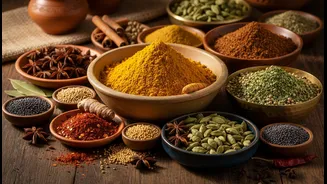
This shift towards slow, warm, and simple meals is rooted in generations of Indian food wisdom. For centuries, Indian households have instinctively adapted their diets to the seasons. Ayurveda advises that the monsoon weakens our digestive fire, or 'agni', making it the ideal time for warm, freshly cooked foods seasoned with digestive spices like ginger, pepper, and turmeric. Dishes like steamed Maharashtrian patolya or Kerala's medicinal karkidaka kanji are perfect examples of this seasonal wisdom in practice. Today, there's a renewed appreciation for these principles. As people become more health-conscious, they are realising that traditional monsoon recipes were designed not just for comfort, but for wellness, helping to aid digestion and boost immunity during a season when the body can feel sluggish.