

The Modern Cause of Stiff Hips
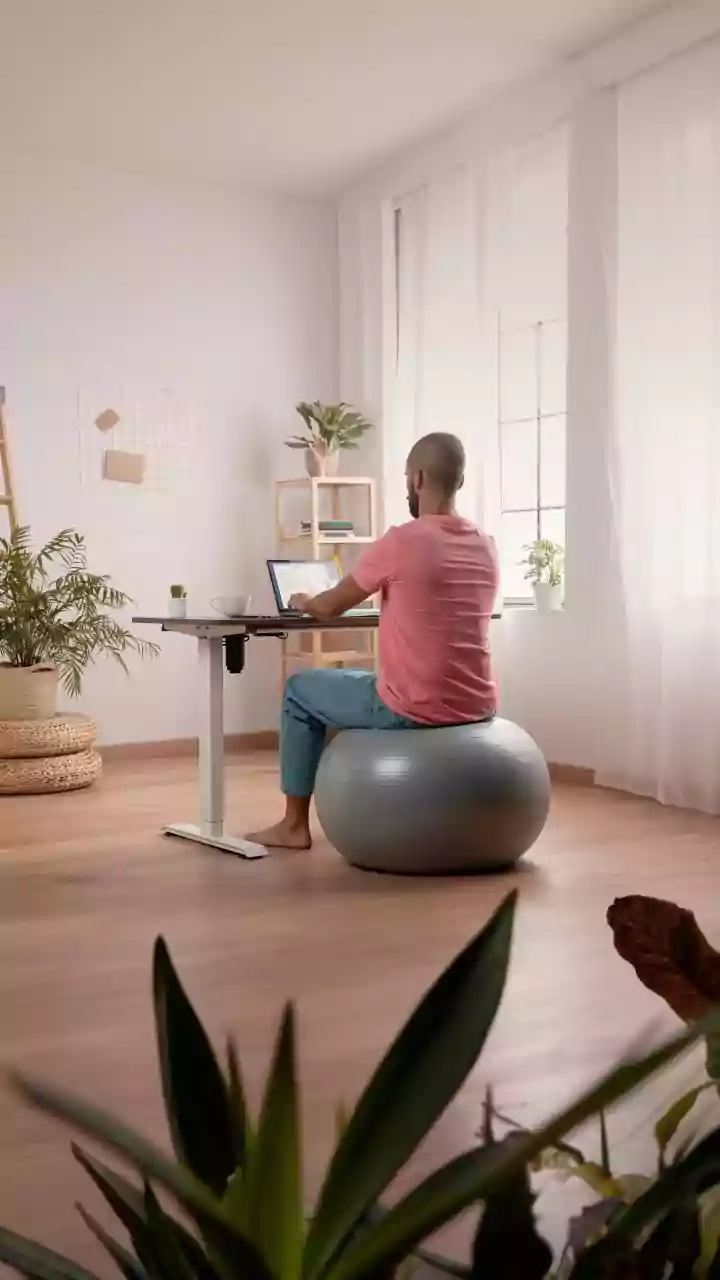
For many people, the primary cause of hip stiffness is the modern lifestyle itself. The average person can spend more than eight hours a day sitting, whether at a desk, in a car, or on the couch. This prolonged sitting holds your hip flexors—the muscles
at the front of your hips—in a shortened, compressed position. Over time, this causes them to lose their elasticity and become tight. On top of that, a sedentary life often leads to weak glute and core muscles, forcing the already-tight hip flexors to overcompensate and become even stiffer.
A Chain Reaction of Discomfort
Tight hips rarely cause problems in isolation. Because the hips connect the upper and lower body, their immobility can trigger a chain reaction of aches and pains. When your hips can't move properly, your lower back often has to compensate, leading to chronic back pain. This compensation can also alter your walking and running mechanics, placing extra stress on your knees. What starts as simple hip stiffness can eventually impact your posture, balance, and overall quality of movement in daily activities.
Why Daily Movement is the Answer
The key to combating hip tightness isn’t occasional, intense stretching sessions, but consistent, gentle movement. Daily mobility work helps lubricate the hip joints, restores elasticity to the muscles, and improves blood flow. It's about teaching your body to move through its natural range of motion again. A few minutes of targeted exercises each day can be more effective than a long, strenuous workout once a week because it consistently reminds your muscles and joints how to function correctly, preventing them from reverting to a stiff, shortened state.
1. Kneeling Hip Flexor Stretch
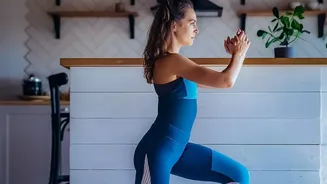
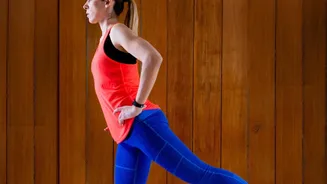
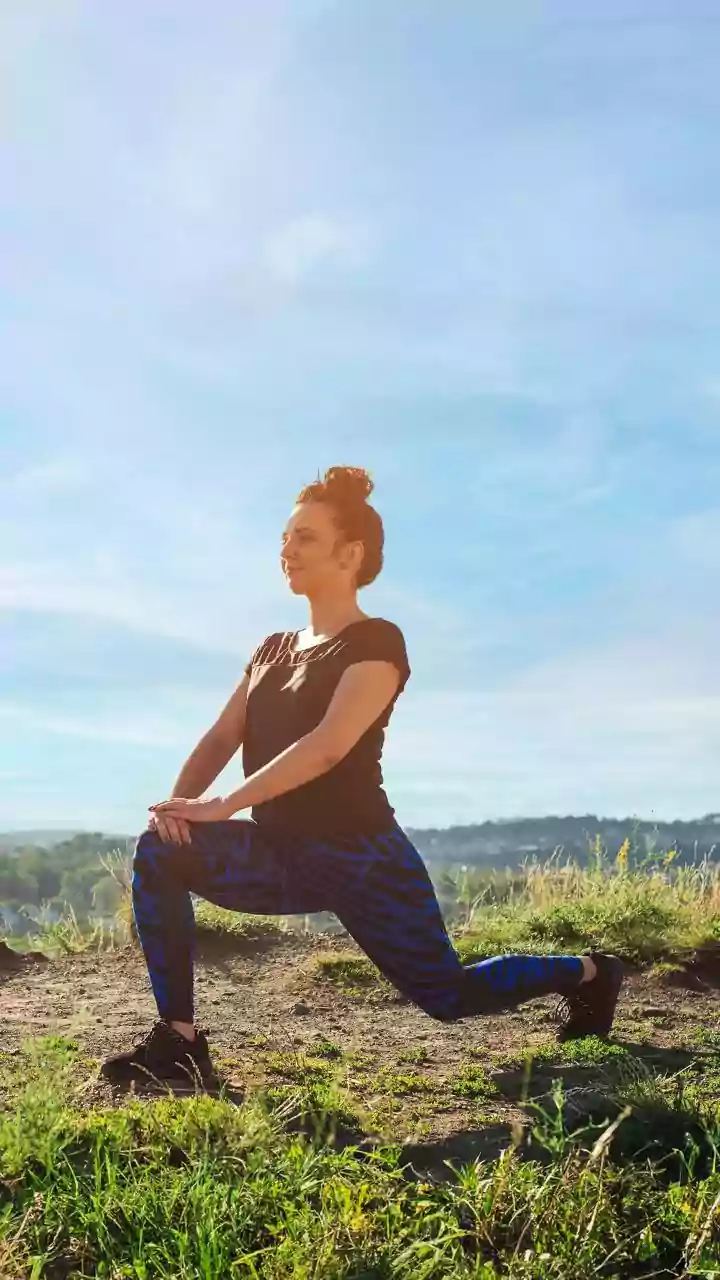
This classic stretch directly targets the muscles that get shortened from sitting. Start by kneeling on one knee, as if you were proposing. You can place a cushion under your knee for comfort. Your other leg should be in front of you with the foot flat on the floor and the knee bent at a 90-degree angle. Keeping your back straight, gently push your hips forward until you feel a stretch in the front of the hip of the kneeling leg. Hold for 20-30 seconds without bouncing, and then switch sides.
2. Seated Butterfly Stretch
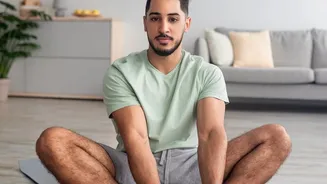
This gentle pose helps to open the hips and stretch the inner thighs. Sit on the floor and bring the soles of your feet together, letting your knees fall out to the sides. Hold onto your feet or ankles. Sit up tall, and if you can, gently press your knees toward the floor with your elbows. You should feel a comfortable stretch in your hips and groin area. Don't force your knees down; just let gravity do the work. Hold for 30 seconds.
3. Pigeon Pose
A favourite in yoga, the pigeon pose is excellent for releasing deep hip tension. Start on your hands and knees. Bring your right knee forward and place it behind your right wrist. Slide your left leg straight back behind you. Your right shin may be angled back toward your left hip. Try to keep your hips square to the floor. You can stay upright on your hands or fold forward over your front leg for a deeper stretch. Hold for 30-60 seconds and then carefully switch sides.
4. The 90/90 Stretch
This exercise is fantastic for improving both internal and external hip rotation. Sit on the floor and position your legs so that your front knee is bent at a 90-degree angle in front of you, with the shin parallel to your body. Your back leg should also be bent at a 90-degree angle, but out to the side. Try to keep both hips on the ground. You can lean forward over your front leg or simply sit upright. Hold the position for 30 seconds before switching your legs to the other side.