


The Kitchen's New Identity
Across India, the home kitchen is undergoing a quiet but profound transformation. It's becoming the heart of everyday wellness, a space where people are consciously making decisions that impact their physical and mental health. This shift is not just
about cooking more at home, which has been a growing trend, but about the intention behind it. People are reclaiming their kitchens as places of control, creativity, and self-care, moving beyond convenience to focus on nourishment. It's a response to a world of processed foods and a growing desire for transparency about what goes onto our plates. The kitchen is now viewed as the first line of preventive healthcare, a place where healthy choices are made easier and unhealthy defaults are made harder.
Rediscovering Traditional Wisdom
A significant part of this movement involves looking backward to move forward. Ancient Indian food philosophies are finding a renewed relevance in modern kitchens. The principles of Ayurveda, seasonal eating, and using food as medicine are being embraced by a new generation. There's a growing appreciation for traditional ingredients like millets, pulses, and regional greens, which were once staples but became less common in urban diets. Concepts that our grandmothers inherently understood—like the importance of fermented foods for gut health, the benefits of fresh-ground spices, and the nutritional superiority of diverse grains—are now being validated by modern science. This revival is not about rejecting modernity, but about integrating timeless nutritional wisdom into our busy lives.
Cooking as a Mindful Practice
Beyond the nutritional benefits, the very act of cooking is being recognized for its positive impact on mental well-being. In an age of constant digital distraction, preparing a meal offers a rare opportunity for mindfulness. The repetitive, sensory act of chopping vegetables, the aroma of tempering spices, and the focus required to follow a recipe can be deeply meditative, helping to reduce stress and anxiety. This concept, sometimes called 'culinary therapy', provides an outlet for creativity and fosters a sense of accomplishment. Setting aside time to cook is becoming a deliberate act of self-care, a way to disconnect from daily pressures and engage in a process that is both grounding and fulfilling.
Practical Nutrition in the Modern Indian Kitchen
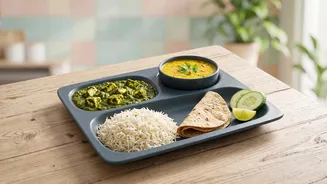
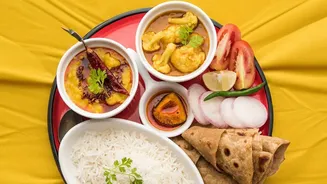
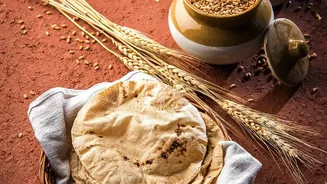
So, what does this trend look like in practice? It's about making small, sustainable changes. It means swapping refined grains for whole grains like brown rice or rotis made from jowar and bajra. It involves prioritizing protein in every meal, relying on the abundance of dals, legumes, and paneer readily available in Indian cuisine. There's a greater focus on using seasonal vegetables and controlling the amount and type of oil used in cooking. Many are also paying closer attention to ingredient quality, opting for fresh-ground spices over packaged blends and exploring minimally processed cold-pressed oils. These conscious choices don't require a complete overhaul of traditional eating habits but rather a more mindful approach to preparing the 'ghar ka khana' that has nourished families for generations.