





The Challenge of Monsoon Stargazing
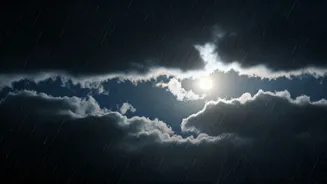
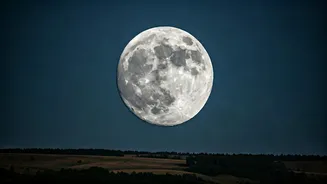
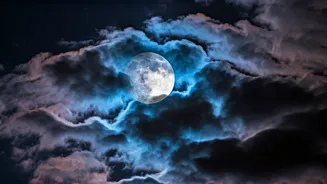
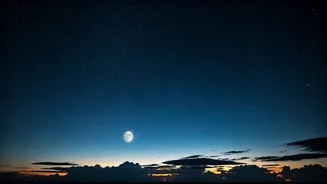
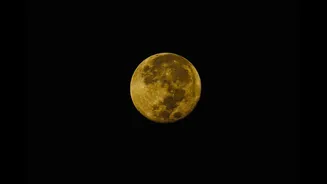
The full moon on June 29, known as the Strawberry Moon, marked the first full moon of the summer season. However, for many across India, its appearance was likely obscured by the thick cloud cover typical of the southwest monsoon, which blankets much
of the country from June to September. This period of heavy rainfall and high humidity makes astronomy a game of patience, requiring enthusiasts to seize brief, clear windows when the skies unexpectedly open up. While frustrating, it doesn't make stargazing impossible. The key is to be prepared and know what you're looking for when a gap in the clouds appears. After a fresh spell of rain, the atmosphere is often washed clean of dust and pollutants, making the stars appear even more brilliant when visible.
Saturn and Mars Take the Stage
As we move into July, the planetary action shifts to the post-midnight and pre-dawn hours. The star of the show is Saturn, which rises after midnight and can be seen in the eastern sky. Its steady, golden light is a beautiful sight and doesn't twinkle as much as distant stars, making it easier to identify. In the early hours of July 7 and 8, the moon will create a close pairing with Saturn, offering an easy-to-spot celestial landmark for early risers. A few mornings later, look for Mars. The Red Planet will also be visible before sunrise, creating another beautiful arrangement as it appears near the delicate crescent moon and the famous Pleiades star cluster, also known as the Seven Sisters.
A Meteor Shower on the Horizon
For those who enjoy wishing on shooting stars, the Southern Delta Aquariid meteor shower is set to begin in mid-July. This shower is active from around July 12 to August 23, with its peak expected on the night of July 30-31. While it's a moderate shower, producing up to 25 meteors per hour under ideal conditions, it offers a steady stream of activity over several days. Unfortunately, the peak in 2026 coincides with a nearly full moon, meaning bright moonlight will wash out many of the fainter meteors. However, it’s still worth looking up in the days leading up to the peak when the moon is less of a factor. The meteors radiate from the constellation Aquarius but can appear anywhere in the night sky.
Tips for Beating the Clouds
Stargazing during the monsoon requires strategy. The most important tool in your arsenal is a reliable weather app with cloud cover forecasts. Look for patterns and anticipate breaks in the weather. Locations at higher altitudes, like hill stations, often have a better chance of being above the cloud layer. Places in rain-shadow regions, such as Spiti Valley, offer some of the clearest monsoon skies in the country, though they are remote. For those closer to urban areas, spots like Malshej Ghat in Maharashtra or Yercaud in Tamil Nadu can offer good viewing opportunities after a downpour, provided you can escape the worst of the city lights. Using stargazing apps like Sky Guide or Stellarium can also help you quickly identify what's visible in your patch of clear sky, so you don't waste a precious moment.