




First, Identify the Right Plant
Before you begin snipping, it's important to know your plant. The 'Trailing Jade' (often Senecio jacobsenii or Kleinia petraea) is different from the common upright Jade Plant (Crassula ovata). This vining succulent has fleshy, overlapping leaves on trailing
stems, making it perfect for cascading gracefully from a bottle. Its stems root readily, which is key to this project's success. If you don't already have a mother plant, they are widely available at nurseries and are known for being resilient and fast-growing, giving you plenty of material to work with over time.
Take Healthy Cuttings
The health of your new plant starts with a good cutting. Using clean, sharp scissors or pruning shears, snip a few stems from your mature Trailing Jade. Aim for cuttings that are at least 4-6 inches long. A longer stem provides more stability in the bottle and a more dramatic look. Choose stems that look plump, green, and vigorous. Avoid any that appear shrivelled, yellow, or damaged. Once you have your cutting, gently remove the leaves from the bottom 1-2 inches of the stem. This bare section is what will sit in the water and sprout new roots.
The Most Crucial Step: Let it Callus
This step is non-negotiable for succulents and is the secret to preventing your cutting from turning to mush. After snipping, you must let the cut end dry out and form a 'callus'. This is essentially a scar that seals the open wound and protects it from rot when introduced to water. Simply lay your cuttings on a paper towel in a dry, shaded spot with good air circulation for three to five days. You'll know it's ready when the cut end feels dry to the touch and looks slightly puckered. Don't rush this process; patience here will ensure your propagation is successful.
Prepare Your Apothecary Bottles
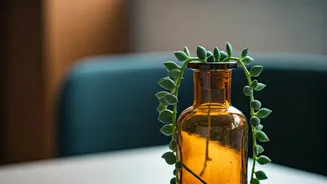
While your cuttings are callusing, prepare their new homes. Apothecary bottles, with their vintage labels and narrow necks, are ideal for showcasing single stems. Amber or green-tinted glass is not only aesthetically pleasing but also helps slow algae growth by blocking some sunlight. Make sure your bottles are thoroughly cleaned with soap and warm water to remove any dust or residue that could harm the developing roots. The narrow neck is perfect for holding the stem upright, preventing the leaves from falling into the water where they might rot.
Time for Water and Sunlight
Once the cuttings are callused and the bottles are clean, the final assembly is simple. Fill your bottles with room-temperature water, leaving enough space at the top so it doesn't spill. Filtered or distilled water is best, but tap water left out overnight to allow chlorine to evaporate also works well. Gently place one or two callused stems into each bottle, ensuring the bare part of the stem is submerged but the leaves remain dry. Position your bottles in a spot that receives plenty of bright, indirect sunlight. A windowsill that doesn't get harsh afternoon sun is perfect.
Ongoing Care and Watching for Roots
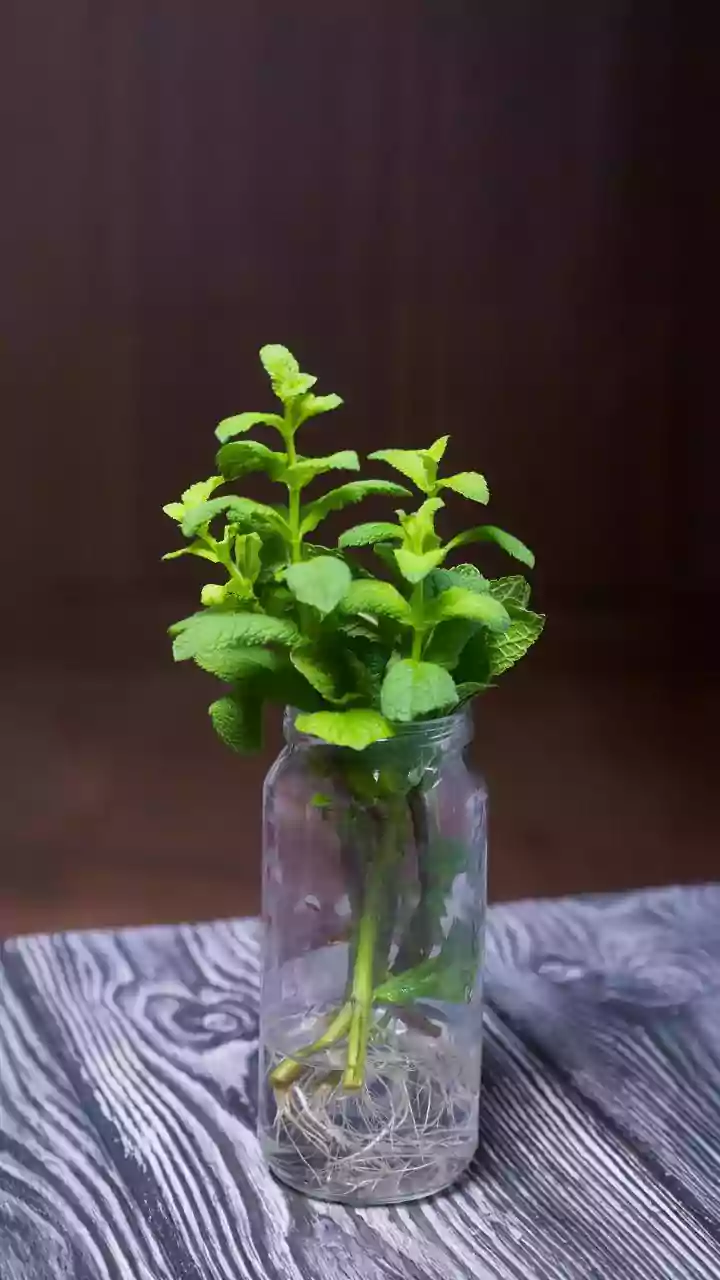
Now, you wait. You should see tiny white roots begin to emerge from the stem within two to four weeks. During this time, your only job is to maintain the water. Change it every 5-7 days or whenever it starts to look cloudy. This replenishes oxygen and prevents bacterial growth. If you notice any stem turning brown or soft, remove it immediately to prevent it from affecting others. Watching the roots slowly creep out is one of the most satisfying parts of the process, transforming your bottle from a simple decoration into a tiny, living laboratory.
Transitioning to Soil for Long-Term Health
While Trailing Jade can live in water for a few months, it's not a permanent solution. Water lacks the nutrients the plant needs to thrive in the long run. Once your cutting has a healthy network of roots about an inch long, it's time to move it to soil. Prepare a small pot with a well-draining succulent or cactus mix. Gently plant the rooted cutting, water it lightly, and continue to care for it as a mature plant. Your apothecary bottle is then free for the next batch of cuttings, keeping your home filled with these beautiful, cascading greens.