



From Leisurely Strolls to Leg Presses
For generations, the local park served a simple purpose: a patch of green for relaxation and light activity. Today, that picture is changing rapidly. Across the country, from metro cities like Delhi and Bengaluru to smaller towns, municipal bodies are
installing durable, weather-resistant gym equipment, turning these spaces into dynamic wellness zones. This shift is a direct response to a growing need for accessible public health solutions. The introduction of equipment like air walkers, leg presses, and chest presses has expanded the park's utility far beyond a simple walking track. Residents who previously only came for a stroll now have the opportunity to engage in full-body workouts, free of cost.
The Anatomy of a Modern Park Gym
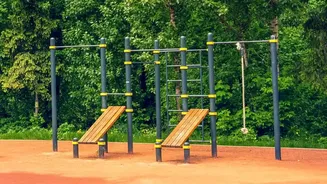
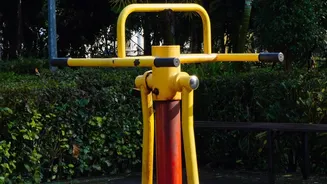
What does this new infrastructure look like? The typical open-air gym is designed to be comprehensive and safe for unsupervised use. The equipment is manually operated, requires no electricity, and uses body weight for resistance, making it suitable for a wide range of fitness levels. Core pieces often include cardio machines like elliptical cross-trainers and air walkers for low-impact endurance. For strength training, you’ll find apparatus such as the chest press, shoulder press, and pull-up bars. Flexibility and balance are also catered for with installations like waist twisters and tai chi wheels. These setups, often sponsored through local government funds or initiatives like the Smart Cities Mission, are built from heavy-gauge, powder-coated steel to withstand the elements with minimal maintenance.
Democratising Fitness for All
Perhaps the most significant impact of this movement is its democratic nature. By eliminating the high cost of a traditional gym membership, these open-air facilities make fitness accessible to people from all economic backgrounds. This has been a game-changer for senior citizens, homemakers, and students who might find conventional gyms intimidating or unaffordable. The equipment is designed to be inclusive, catering to various ages and abilities. Some cities are even taking inclusivity a step further; Kolkata, for example, recently opened an outdoor gym specifically designed to be fully accessible for wheelchair users. This focus on free, public access helps embed physical activity into the daily fabric of community life.
More Than Just Physical Health
The benefits extend well beyond building muscle. Exercising outdoors in a green environment is proven to boost mental well-being by reducing stress and improving mood. The exposure to fresh air and sunlight provides a natural dose of Vitamin D. These fitness zones also become natural social hubs, strengthening community bonds as neighbours meet, exercise together, and motivate one another. This increased positive activity can also enhance the perceived safety of public spaces, discouraging misuse and encroachment. By fostering both physical health and social connection, these upgraded parks contribute to a more resilient and healthier community overall.
Challenges and the Road Ahead
The initiative is not without its challenges. The primary concern is longterm maintenance. In some areas, equipment has fallen into disrepair due to a lack of regular upkeep by local authorities. Furthermore, a lack of clear instructions or public awareness on how to use the equipment correctly can lead to improper use and potential damage. For the movement to be sustainable, municipalities must budget not just for installation but for consistent maintenance and public education. Despite these hurdles, the trend is growing. States like Uttar Pradesh have allocated significant funds to establish open gyms even in rural areas, viewing them as crucial for developing sports talent and promoting public health.