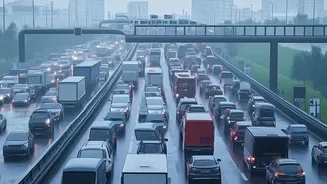




The Annual Pollution Battle
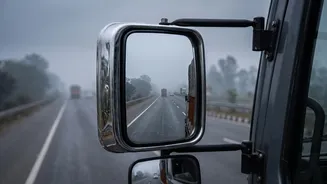
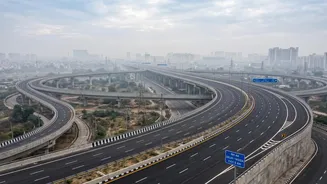
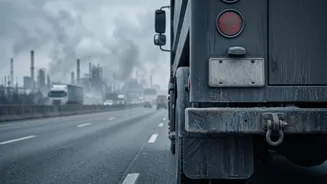
Every winter, as temperatures drop, a toxic haze blankets Delhi-NCR, sending the Air Quality Index (AQI) to hazardous levels. This public health emergency forces authorities to implement a series of aggressive measures to curb emissions. At the heart
of this strategy is the Graded Response Action Plan (GRAP), an emergency protocol that triggers increasingly stringent restrictions as air quality worsens. For drivers, this means a complex web of rules that can change with little notice, making compliance essential to avoid serious penalties.
The Mandatory PUC Certificate
The single most important document for any driver in Delhi-NCR is a valid Pollution Under Control (PUC) certificate. This document certifies that your vehicle's emissions are within the legal limits prescribed under the Central Motor Vehicles Rules. Authorities across the NCR conduct aggressive enforcement drives, and driving without a valid PUC can lead to a hefty fine of ₹10,000, imprisonment for up to six months, or both. Under the 'No PUC, No Fuel' policy, petrol pumps in the region can also refuse to sell you fuel if you cannot produce a valid certificate. For new vehicles, a PUC is typically not required for the first year, but after that, it must be renewed regularly.
Understanding GRAP and Vehicle Restrictions
The GRAP framework is divided into four stages, triggered by the region's AQI. As of late October 2026, Stage I is often in effect, which involves strict enforcement of PUC checks and action against visibly polluting vehicles. However, as pollution levels climb into the 'Severe' (Stage III) and 'Severe+' (Stage IV) categories, more drastic restrictions kick in. These can include a complete ban on older vehicles, such as BS-III petrol and BS-IV diesel four-wheelers, in Delhi and several surrounding NCR districts like Gurugram, Ghaziabad, and Sonipat. Crucially, from November 1, the Delhi government often implements a blanket ban on the entry of all non-BS-VI vehicles registered outside the city, with limited exemptions for those running on CNG or electric power.
Colour-Coded Stickers and Vehicle Age
In addition to PUCs, Delhi has mandated colour-coded fuel stickers for all vehicles. These stickers, which are affixed to the windshield, indicate the vehicle's fuel type: light blue for petrol and CNG, and orange for diesel. This system allows enforcement officials to quickly identify vehicles that may be in violation of fuel-specific restrictions. The penalty for not having the correct sticker can be up to ₹10,000. Furthermore, long-standing rules from the National Green Tribunal (NGT) ban diesel vehicles older than 10 years and petrol vehicles older than 15 years from operating anywhere in the NCR. These age-based restrictions are strictly enforced, regardless of whether the vehicle has a valid fitness or pollution certificate.
Heavy Fines for Non-Compliance
The financial penalties for violating these emission norms are severe and designed to be a strong deterrent. Failing to produce a valid PUC certificate can result in a fine of ₹10,000. If your vehicle is caught violating the GRAP stage-based restrictions, such as an older diesel car running during a ban, the fine can be as high as ₹20,000. In many cases, enforcement teams at border entry points will simply force non-compliant vehicles to turn back, causing major disruptions to travel plans. Given the high stakes, treating these local rules as optional is a costly mistake.
How to Prepare for Your Trip
If your travel plans require you to pass through Delhi-NCR, especially between October and February, preparation is key. First, ensure your vehicle has a valid and up-to-date PUC certificate. You can check its status online via the Parivahan Sewa portal. If your car is registered in Delhi, make sure it has the mandatory colour-coded fuel sticker. Before you travel, check the current GRAP stage in Delhi-NCR, as restrictions can be imposed overnight. If you drive an older petrol or diesel vehicle, particularly one that is not BS-VI compliant, it may be wisest to seek alternative transport or routes to avoid the risk of being fined or denied entry.