




Essential Tips for Monsoon Gardening
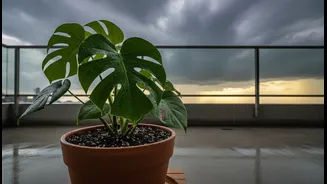
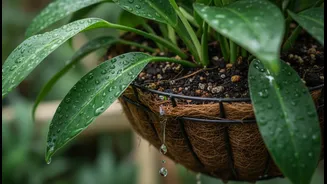
Gardening in the rainy season is rewarding, but it comes with unique challenges. High humidity and constant moisture can invite pests and fungal diseases. The key to success is ensuring proper drainage. Use pots with multiple holes and consider placing
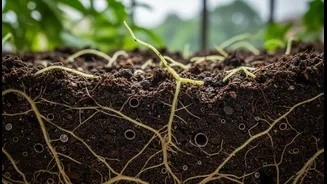
them on stands or bricks to prevent waterlogging. A light, well-draining soil mix is crucial; combine garden soil with compost and coco peat or sand to prevent it from becoming heavy and compacted. Water your plants wisely. While the rain helps, you may still need to water during dry spells, but always check if the top inch of soil is dry first. Overwatering is a common mistake that can lead to root rot.
Palak (Spinach)
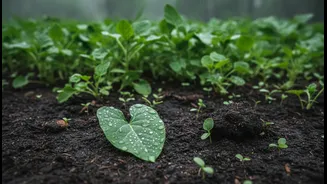
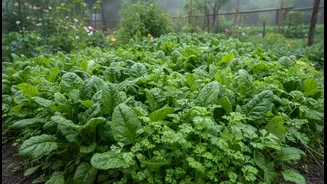
Spinach is one of the easiest and most rewarding greens to grow during the monsoon. The regular moisture and mild temperatures encourage quick germination and the growth of tender, flavourful leaves. You can sow the seeds directly in well-drained soil in pots or raised beds. Plant the seeds about half an inch deep and ensure they receive partial sunlight, as harsh afternoon sun can make the leaves tough. You can begin harvesting the outer leaves in just four to six weeks, and the plant will continue to produce more. Regular harvesting encourages new growth.
Chaulai (Amaranth)
Known as Chawli or Lal Maat, amaranth is a hardy green that flourishes in the warm, humid weather of the monsoon. It comes in both green and vibrant red varieties, adding colour and nutrition to your garden. Amaranth is not picky about soil but thrives in a loose, well-draining medium. Scatter the seeds in a pot or garden bed and cover them lightly with soil. The plants grow vigorously with regular moisture and full sun. You can start harvesting the tender leaves when the plants are young, and frequent picking will promote bushier growth, ensuring a steady supply throughout the season.
Poi Saag (Malabar Spinach)
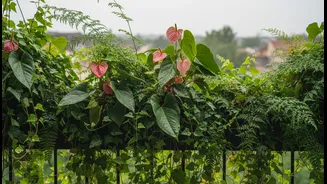
While not a true spinach, Poi Saag is a popular perennial vine that thrives during the rainy season in India. This creeper has fleshy, succulent leaves and loves the humidity that monsoon brings. It's best to plant it where it has some support to climb, like a trellis. You can propagate it easily from seeds or cuttings. Plant it in well-composted, moisture-retentive soil, and ensure it gets plenty of sunlight. Its fast growth means you can enjoy a continuous harvest of its nutritious leaves, which are a great source of calcium and help boost immunity.
Dhania (Coriander)
No Indian kitchen is complete without fresh coriander, and the monsoon provides a great climate for growing it at home. The key to successful coriander cultivation in the rains is excellent drainage, as the plant's roots are sensitive to waterlogging. Use a deep pot filled with a light mix of soil, compost, and sand. Lightly crush the seeds before sowing to improve germination. Coriander prefers filtered sunlight during the monsoon, as intense sun can cause it to bolt (flower prematurely). Harvest the leaves regularly to encourage the plant to produce more foliage.
Pudina (Mint)
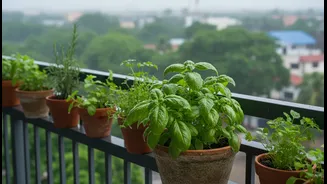
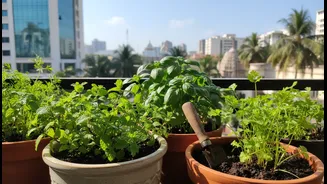
Mint is an incredibly resilient herb that loves moisture, making it a perfect candidate for your monsoon garden. It is famously easy to grow and can be propagated from a few healthy cuttings from the market. Plant it in a pot to contain its aggressive spreading habit; otherwise, it can quickly take over your garden. Use a well-draining soil mix and keep it consistently moist but not waterlogged. Mint prefers a spot with morning sun and some afternoon shade. Regular trimming will not only provide you with fresh leaves for chutneys and teas but also encourage the plant to grow bushier and more robust.