




Why the Rains Are a Gardener’s Best Friend
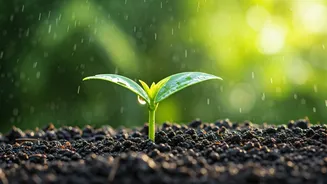
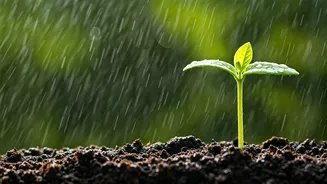
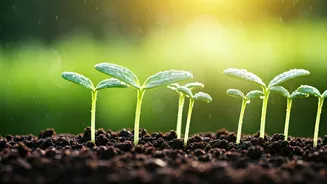
Starting a garden can feel daunting, but the Indian monsoon season is a powerful ally. The consistent, natural irrigation from rain reduces the need for manual watering, saving you time and effort. [5, 6] The cooler temperatures, typically between 20°C
and 30°C, and high humidity create the perfect environment for seed germination and root development. [2, 17] Rainwater softens the soil, making it easier to work with, and helps distribute nutrients evenly. [6, 10] This combination of factors gives new plants a vigorous and healthy start, significantly increasing your chances of a flourishing garden. [11]
Choosing Your Monsoon Champions
Not all plants are created equal, especially when it comes to thriving in wet, humid conditions. For beginners, it's wise to choose low-maintenance plants that love the rain. Flowering plants like hibiscus, jasmine, and marigolds are excellent choices that add vibrant colour. [21] If you're interested in growing your own food, the monsoon is ideal for vegetables like okra (bhindi), beans, cucumbers, and green chillies. [12, 20] Leafy greens such as spinach and amaranth also grow rapidly in the damp soil. [3, 8] These varieties are well-suited to the Indian climate and are forgiving for first-time gardeners.
Getting Your Soil and Pots Ready
Proper preparation is the secret to success. The biggest danger during the monsoon is waterlogging, which can suffocate roots and lead to rot. [9, 15] To prevent this, ensure every pot or container has ample drainage holes at the bottom. [15] Using a well-draining potting mix is crucial. You can create one by combining regular soil with compost or leaf mold, and some sand to improve porosity. [10, 23] Before the heavy rains begin, it’s a good idea to loosen the soil in your pots or garden beds to improve aeration and water flow. [10] This ensures that while your plants get the moisture they need, excess water can easily escape.
The Art of Sowing and Planting
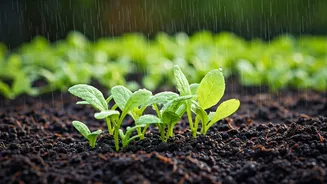
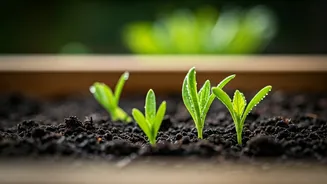
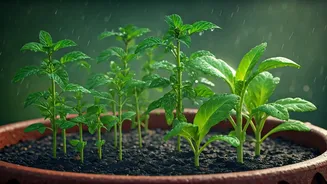
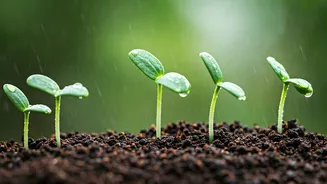
With your pots and soil prepared, it’s time for the most exciting part. You can start many monsoon-friendly plants from seeds sown directly into your pots. [12] Plant seeds about an inch deep, ensuring they are not too crowded, which can lead to competition for nutrients and poor air circulation. [25] If you're using young saplings, transplanting them during the rainy season is often more successful, as the moist, cool conditions reduce transplant shock. [6] Once planted, water them gently. Even though it's the rainy season, you should still check the soil; only water if the top inch feels dry to the touch. [9, 16]
Care and Troubleshooting in the Monsoon
Gardening in the rains isn't just about planting and forgetting. The damp conditions that help plants grow can also encourage weeds and pests. [7] Be sure to weed regularly, as they compete with your plants for essential nutrients. [4, 7] Keep an eye out for pests like snails and slugs, which are more active in moist weather. [24] It’s also wise to prune any dead or yellowing leaves to improve air circulation and prevent fungal diseases. [9, 16] If you notice water pooling in your pots even after it stops raining, you may need to gently lift them onto bricks or stands to improve drainage. [9, 14]