

When the scorching summer heat subsides, Jaipur transforms. The cooler season, from October to March, offers crisp air and pleasant sunshine, creating the perfect conditions to explore the Pink City's unparalleled architectural and cultural heritage.
Why the Cooler Season is Ideal
Visiting Jaipur between October and March means swapping oppressive heat for comfortable daytime temperatures that are perfect for sightseeing. The pleasant weather allows for extensive exploration of the city's sprawling forts, bustling bazaars, and open-air monuments without the exhaustion that comes with the summer sun. Mornings are crisp and evenings are cool, making it ideal for everything from sunrise photography at the forts to enjoying dinner at a rooftop restaurant overlooking the illuminated city. This is the peak tourist season for a reason; the climate is simply sublime for discovering the city on foot.
The Unmissable Royal Forts
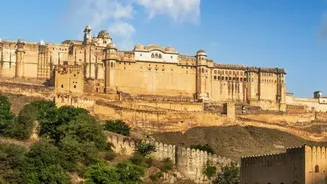
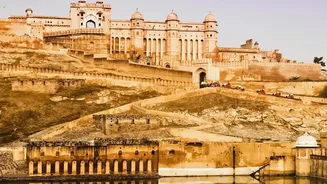
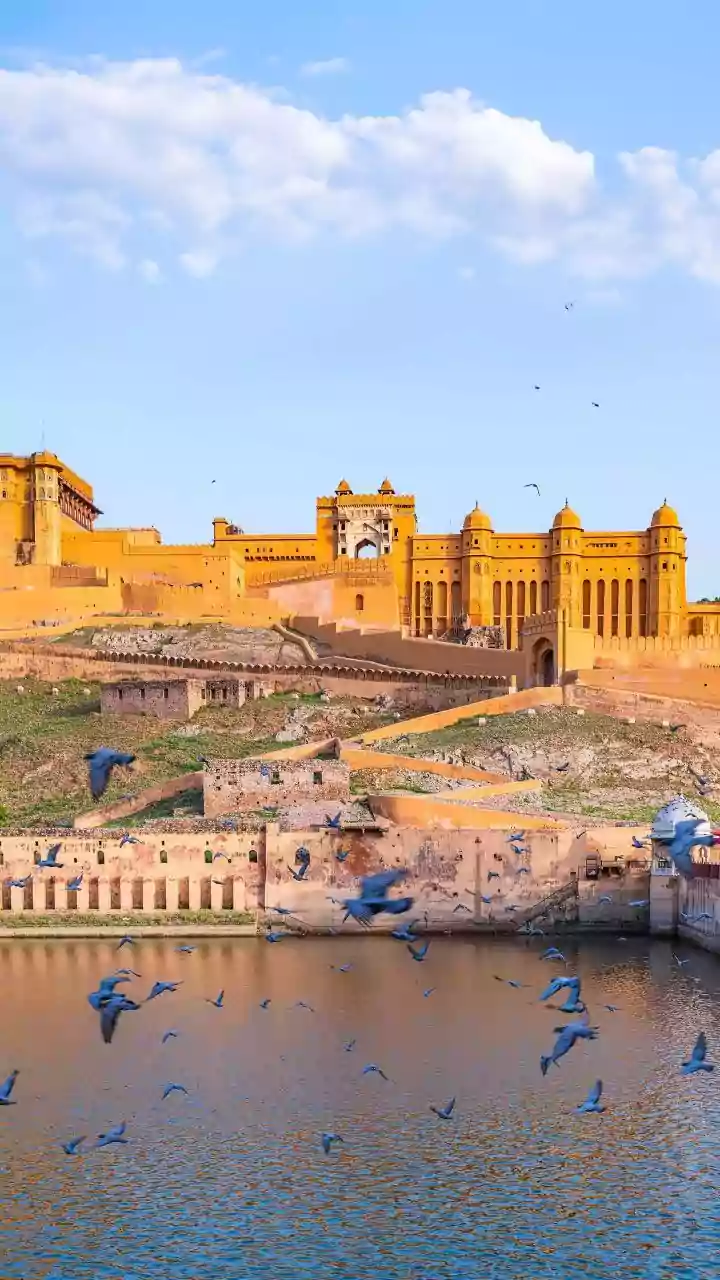
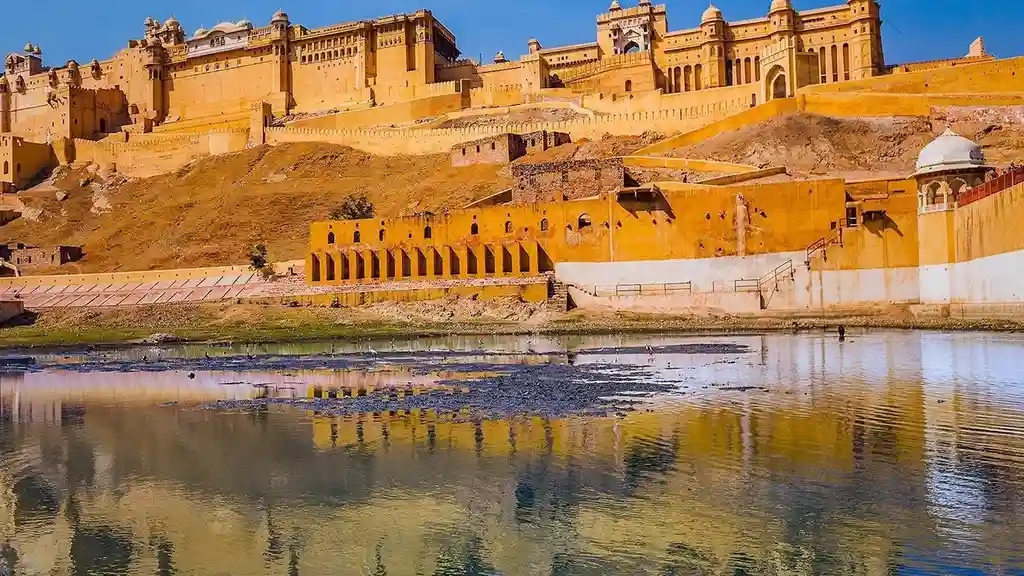
No trip to Jaipur is complete without visiting its trio of magnificent forts. Amer Fort, a UNESCO World Heritage Site, is a breathtaking blend of Rajput and Mughal styles. The cooler weather makes exploring its vast courtyards, palaces like the Sheesh Mahal (Mirror Palace), and walking its ramparts a genuine pleasure. Nearby, Jaigarh Fort offers a more militaristic perspective and is home to the world's largest cannon on wheels. For panoramic sunset views of the entire city, a trip to Nahargarh Fort, perched on the Aravalli Hills, is essential. The clear winter skies often provide a spectacular backdrop as the city lights begin to twinkle below.
Architectural Marvels in the City Centre
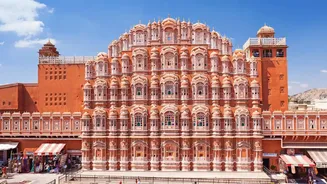
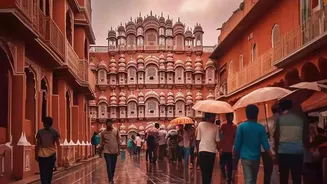
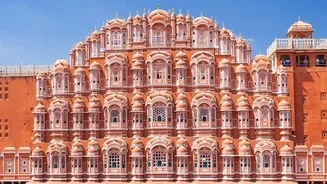
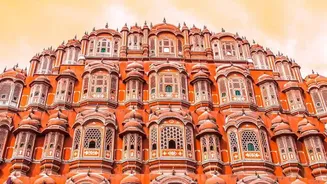
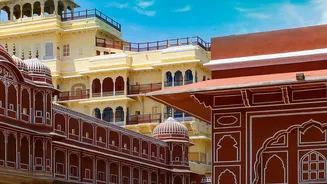
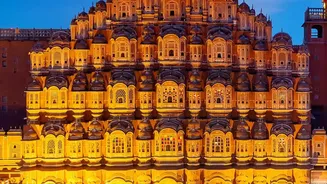
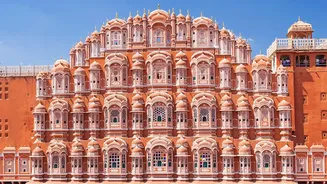
Within the heart of the old city, heritage sites abound. The City Palace, still a residence for the former royal family, is a sprawling complex of gardens, courtyards, and museums that showcase royal artifacts and costumes. A short walk away is the iconic Hawa Mahal, or 'Palace of Winds'. While famous for its five-story facade of 953 windows, it's best appreciated in the soft morning light of a cool day. Nearby lies a true marvel of science and architecture: Jantar Mantar. This UNESCO-listed observatory, built in the early 18th century, features a collection of giant astronomical instruments, including the world's largest stone sundial, which are best explored under a clear, sunny sky.
Discovering Jaipur's Quieter Gems
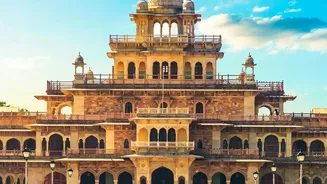
To experience the variety Jaipur offers, venture beyond the main attractions. The Royal Gaitor Tumbas, the cremation ground for Jaipur's rulers, is a serene complex of intricately carved cenotaphs nestled in a quiet valley. It offers a peaceful atmosphere far from the usual crowds, where you can admire stunning marble craftsmanship. Another offbeat but photogenic spot is Panna Meena Ka Kund, a historic stepwell with mesmerising symmetrical staircases located near Amer Fort. The pleasant winter weather is also perfect for a leisurely stroll through the gardens of the Albert Hall Museum, the state's oldest museum, housed in a stunning example of Indo-Saracenic architecture.
Immersing in Culture and Cuisine
A city break is as much about the experience as it is about the sights. The cooler temperatures make wandering through the vibrant bazaars of the Pink City, such as Johari Bazaar and Bapu Bazaar, a delight. Here you can shop for textiles, jewellery, and handicrafts without the draining heat. The evenings are perfect for experiencing Rajasthani culture at a village-themed resort like Chokhi Dhani, which offers traditional food, folk dances, and music. The season is also ideal for food lovers, who can comfortably enjoy hot local specialties like dal baati churma or sip chai while people watching at a street side stall.