






The New Reality at the Checkout Counter
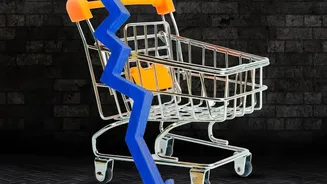
The pressure on household budgets is not imaginary. Recent data from September 2026 shows that food inflation in India has accelerated, hitting 7.74%. This increase is felt most acutely in the fresh produce and staples aisles. Prices for key ingredients
like onions, ginger, and garlic have seen dramatic year-on-year spikes, with onion prices alone soaring by over 108% in September. While some items like potatoes and tomatoes have seen a slight dip, the overall basket of goods is more expensive, particularly for urban households where food accounts for nearly 40% of monthly spending. This sustained pressure is forcing a fundamental shift in how families approach their weekly grocery planning and spending.
The Strategic Shift to Store Brands
One of the most significant changes is the growing willingness to trade down from well-known national brands to more affordable private-label or store-branded products. Faced with rising costs, an estimated 40% of Indian consumers are now actively switching to cheaper alternatives to manage their budgets. This isn't just a trend among lower-income groups; it's a mainstream move. Retailers are responding by expanding their own branded lines, from staples like atta and dal to processed foods. This shift allows families to keep familiar items in their diet while shaving costs off the final bill. It's a calculated compromise where brand loyalty takes a backseat to financial prudence, without necessarily sacrificing the quality of the meal itself.
Bulk Buying and Smarter Stockpiling
Another popular tactic is the return to bulk purchasing. Almost half of consumers are now buying essential non-perishable items in larger quantities to lock in lower prices and guard against future hikes. Instead of small, frequent trips for items like rice, oil, and pulses, families are making fewer, larger purchases when they spot a good deal. This trend is supported by the growth of online grocery platforms and larger format stores that offer competitive pricing on bulk goods. It marks a change in the rhythm of shopping—moving from 'just-in-time' weekly refills to more strategic, long-term pantry stocking, which requires more upfront cash but can lead to significant savings over time.
The Hunt for Discounts and Deals
The modern urban shopper is now a professional deal hunter. A significant portion of consumers—around 41%—report shopping at different stores specifically to take advantage of offers and promotions. This involves comparing prices on e-commerce and quick commerce apps, tracking weekly flyers from local supermarkets, and making purchasing decisions based on where the best value is, rather than convenience alone. Loyalty programs, digital coupons, and payment-linked cashback offers are no longer a passive benefit but an active tool in the fight against inflation. This multi-platform approach adds a layer of complexity to the weekly shop but is seen as essential for keeping the grocery bill in check.
Hard Choices in the Shopping Trolley
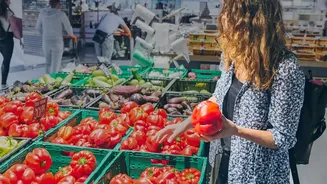
Beyond smart swaps and deal hunting, rising prices are forcing more difficult decisions. Families are sometimes reducing the frequency of purchasing 'luxury' vegetables or exotic fruits that have become too expensive. Cheaper, seasonal produce is prioritised. Similarly, protein sources might be swapped, with families opting for more affordable options like eggs and pulses over more expensive choices. While taste and nutritional value remain top priorities for most, the definition of what is 'essential' is being re-evaluated week by week. These small compromises, made consistently, are how many households are absorbing the financial shock of food inflation without completely overhauling their diets.