
The Report's Central Claim
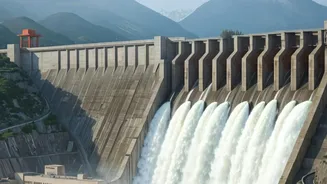
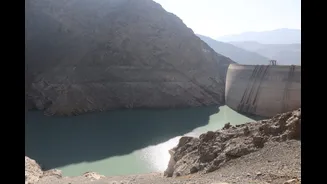
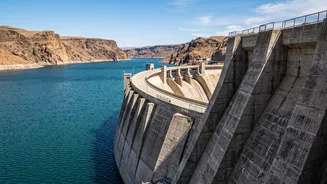
A recent New York Times report has drawn attention to a curious geographical overlap in Iran: the proximity of numerous dams to suspected underground missile facilities. The article, citing analysis from water security and military experts, speculates
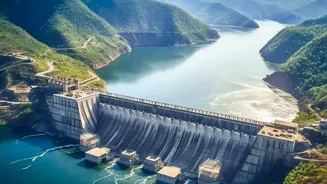
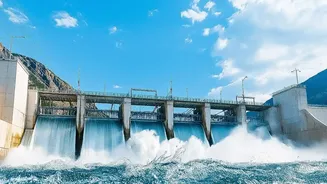
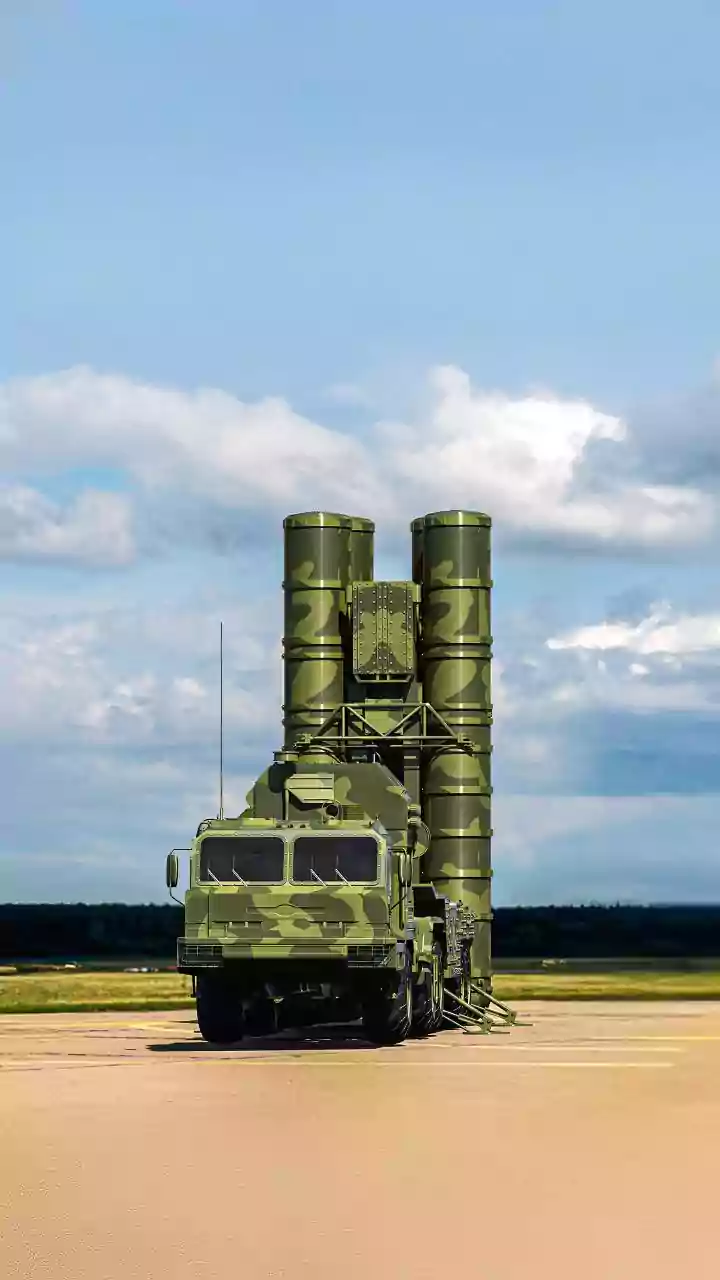
that some of Iran’s massive dam and water transfer projects, often built with unclear economic justification, might serve a dual purpose. The theory suggests these projects could provide a consistent and independent source of power and water to the Islamic Revolutionary Guard Corps' (IRGC) sprawling network of secret 'missile cities', which are designed to produce, store, and launch weapons. One water security expert noted that after mapping 533 dams in Iran, he observed that recent airstrikes on suspected military sites seemed to follow a similar geographical pattern. While the report stresses that the connection is speculative and no conclusive evidence has been presented, the hypothesis has opened a new, and worrying, line of inquiry into Iran's strategic planning.
A Strategy of Concealment and Resilience
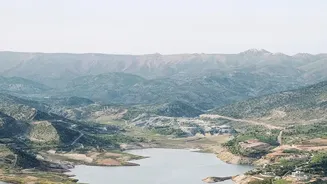
From a military perspective, placing critical assets near dams could offer several advantages. Many of Iran's dams are located in remote, mountainous regions, which provide natural cover for underground military complexes, making them harder to detect and target from the air. Furthermore, these dams are vital national infrastructure and are already heavily secured, offering a convenient shield for nearby covert operations. According to military analysts, having an independent power and water supply would ensure 'operational continuity' for these missile bases, allowing them to function even if the national grid were disabled in a conflict. This aligns with Iran’s broader military doctrine, which often relies on asymmetric tactics, concealment, and embedding military assets within civilian geography to compensate for its conventional military inferiority against adversaries like the US and Israel. A leaked IRGC document previously detailed a framework for using civilian locations like industrial sheds and sports halls to hide and prepare missile systems.
A Dangerous Gamble for Civilians
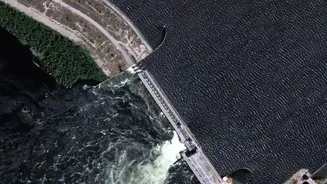
Whatever the strategic logic, placing missile sites near dams creates an immense and terrifying risk for Iran's own population. Dams are specially protected under international law precisely because of the catastrophic danger their destruction poses to civilians. An errant strike on a missile facility or an accidental explosion could potentially compromise a nearby dam's integrity, unleashing devastating floods on downstream towns and cities. Critics of the theory argue that politicizing vital civilian infrastructure like dams is incredibly dangerous, as it could be used to create a pretext for justifying attacks on them. Even if a dam provides services to a military base, it does not automatically lose its protected status under international humanitarian law. The potential for a man-made disaster of colossal proportions, whether accidental or intentional, makes this alleged strategy a high-stakes gamble with millions of lives in the balance.
Furious Denials and Regional Tensions
The report has triggered a furious reaction from Tehran. Iranian officials have vehemently denied the allegations, calling them 'baseless' and part of a 'malicious campaign to manufacture propaganda' to justify attacks on the country's essential infrastructure. Iran's Parliament Speaker, Mohammad Bagher Ghalibaf, issued a sharp warning on social media, stating a 'new rule': 'Any dam, port, or power plant near a US or Israeli base is dual-use. We'll apply your logic consistently'. This response highlights the volatile nature of the situation, where speculative reports can quickly escalate rhetoric and threats. Several of the experts quoted in the original report have also pushed back, clarifying that spatial proximity does not prove causality and that their research should not be interpreted as a justification for targeting civilian facilities.