



The Unlivable Outdoors
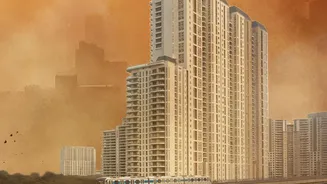
For several months of the year, life in many Indian cities is dictated by the weather. During peak summer, with temperatures soaring past 40 degrees Celsius, our public squares and parks lie deserted. The metallic gleam of a playground slide becomes a burn
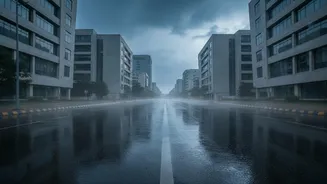
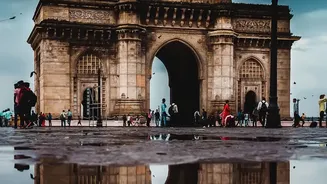
hazard, benches are too hot to sit on, and the lack of adequate shade turns a simple walk into a draining ordeal. This urban heat island effect, where concrete and asphalt absorb and radiate heat, makes cities significantly warmer than their rural surroundings. Then, the monsoon arrives. While offering a respite from the heat, it brings its own set of challenges. Poorly designed drainage systems mean that the same public spaces are now frequently submerged, making them inaccessible and hazardous. This binary of 'too hot' or 'too flooded' effectively robs citizens of their right to the city for large parts of the year.
A Legacy of Misaligned Design
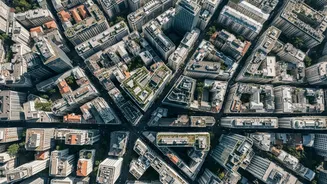
Much of our urban infrastructure is a product of twentieth-century planning, which often prioritised vehicle movement and was based on Western models that are ill-suited to India’s climate realities. The extensive use of concrete, glass, and asphalt, without sufficient consideration for green cover or natural water flows, is a key part of the problem. These materials create impervious surfaces that prevent rainwater from being absorbed into the ground, leading to flash floods. Simultaneously, they trap heat, contributing to the urban heat island effect that can make cities up to 8°C hotter than surrounding areas. Experts argue that one of the biggest policy mistakes has been expanding cities without embedding climate resilience into the core of urban planning. The result is a built environment that works against its inhabitants, rather than for them.
What 'Flexible' Design Looks Like
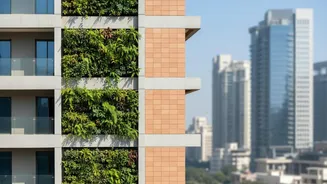
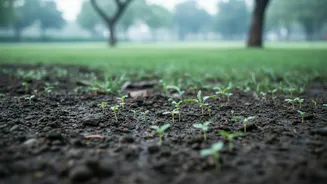
Rethinking our public spaces doesn't mean abandoning them; it means making them adaptable. 'Flexible' or 'climate-resilient' design works with nature, not against it. Imagine parks with integrated bioswales and rain gardens—landscaped depressions that collect and filter stormwater, reducing flooding while also recharging groundwater. Consider plazas with retractable canopies or strategically planted native trees that provide deep shade in the summer. Permeable pavements can replace impervious asphalt, allowing rainwater to seep through. In Madrid, the "Eco-Boulevard" project uses large, tree-like structures to create a microclimate, lowering the temperature by up to 10°C for residents. In Rotterdam, public squares are designed to double as emergency reservoirs during heavy rainfall, holding vast amounts of water and preventing floods. These aren't futuristic fantasies; they are practical, existing solutions.
Indian Cities Are Starting to Innovate
Fortunately, pockets of innovation are already emerging across India. Several cities have developed Heat Action Plans, integrating early warning systems with public cooling measures. In Mumbai, projects are expanding green and open spaces to mitigate both urban heat and flood risks. The city's Climate Action Plan aims to increase vegetation cover and permeable surfaces to tackle flooding and heat stress. The World Resources Institute has worked with cities like Kochi and Jaipur to implement nature-based solutions, including stream rejuvenation and urban farming, to make them more resilient. Initiatives promoting 'cool roofs'—painting surfaces white to reflect solar radiation—are also gaining traction, offering a simple yet effective way to reduce temperatures in buildings and public facilities. These efforts demonstrate a growing awareness and provide a blueprint for wider adoption.
Beyond Parks to Everyday Infrastructure
This philosophy of flexible design must extend beyond showpiece parks and plazas. It needs to be integrated into the fabric of everyday urban life. Bus stops, for instance, should not be simple metal shelters that become ovens in the sun, but should feature green roofs and shaded seating. Street vendor zones, critical to our informal economy, require weather protection that allows business to continue during heatwaves and downpours. Pedestrian walkways should be lined with shade-giving trees, not just left as concrete strips. By viewing all public infrastructure through the lens of climate resilience—from schoolyards to markets—we can create a city that is more equitable and livable for everyone, especially the most vulnerable, including informal workers who spend their days outdoors.