




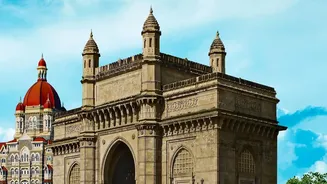
The End of 'Checklist Tourism'
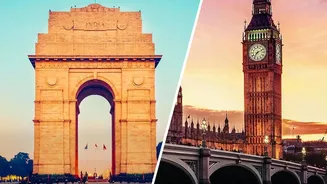
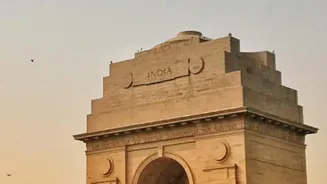
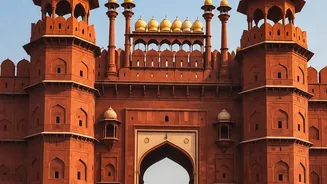
For years, the measure of a successful trip was how much you could see. Paris, Rome, and Amsterdam in a week was a badge of honour. This approach, often called 'checklist tourism', is built on proof rather than presence. The goal is to collect photos
in front of famous landmarks, ticking them off a list before rushing to the next airport. However, many travellers are realising that this whirlwind style of travel can be exhausting. The constant packing, checking in, and logistical planning can make a holiday feel more like a stressful project than a break. The post-pandemic urge for 'revenge travel' has faded, replaced by a more deliberate desire for meaningful journeys. Travellers are now questioning if a trip built around queues and photo-ops is truly fulfilling, leading to a decline in packed, multi-city itineraries.
The Joy of Deeper Connection
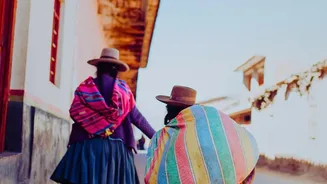
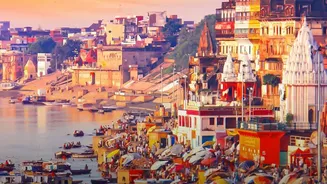
Choosing to stay in one place allows for a level of immersion that a fleeting visit never can. Instead of just seeing a temple, you can witness a morning ritual. Instead of just eating at a tourist-friendly restaurant, you can discover a local market, learn about regional ingredients, and find the family-run eatery everyone in the neighbourhood loves. This slower pace opens the door to genuine human connection. Locals in less-crowded areas are often more open to sharing stories and insights into their daily lives, offering a cultural education a guidebook can't provide. This shift turns travel from a passive act of observation into an active, participatory experience, creating memories of moments and conversations, not just sights.
Less Stress, More Serendipity
A packed schedule leaves no room for the unexpected. Slow travel, by contrast, is built on serendipity. When you aren’t rushing to catch the next train or tour bus, you have the freedom to wander down an interesting alley, linger longer over a coffee, or accept a spontaneous invitation. This reduces the stress often associated with hectic travel, allowing for genuine relaxation and mindfulness. A holiday becomes restorative rather than draining. It's about trading the anxiety of a rigid timetable for the joy of discovery, finding hidden gems that are never mentioned in the top-ten lists but become the most cherished parts of your trip.
A Smarter and More Sustainable Way to Travel
While it might seem that seeing more equals more value, focusing on a single destination can be far more economical. Travellers save significantly on the transit costs of flights, trains, and transfers between cities. Longer stays in one place can also unlock better deals on accommodations. This approach is also more sustainable. By reducing your carbon footprint from frequent travel and spending your money at locally-owned businesses, you contribute directly to the community you are visiting. This ensures your visit has a positive impact, helping to preserve the cultural and environmental integrity of the destination for future visitors.
How to Plan Your 'Slow' Holiday
Making the switch is simple. Start by picking one city or region as a base for your entire trip. A recent travel index noted a 36% year-on-year increase in such single-base itineraries. Research day trips you can take from there, using local transport to explore the surrounding area. Instead of booking every moment, leave entire afternoons free. Don't just look for top attractions; search for experiences like a local cooking class, a craft workshop, or a guided nature walk. The goal is to shift your mindset from 'how much can I see?' to 'how deeply can I experience this place?'.