


Myth: Test cricket is a dying sport
The sight of empty stadiums for some Test matches fuels the narrative that the five-day format is on its last legs. While it's true that Test cricket faces challenges, especially outside of blockbuster rivalries, it is far from dead. Marquee series like
the Ashes and the Border-Gavaskar Trophy continue to draw massive in-person crowds and break digital streaming records. For example, a recent India vs. England series attracted 170 million unique digital viewers, and the World Test Championship final in 2025 garnered 225 million views. The issue isn't a universal death but a fracture; the sport is healthy and profitable for top nations like India, England, and Australia, but smaller nations face significant financial struggles to keep it viable. The format is evolving, not vanishing, with its core audience still deeply engaged in its biggest contests.
Myth: T20 is just a mindless slogging match
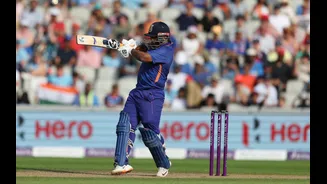
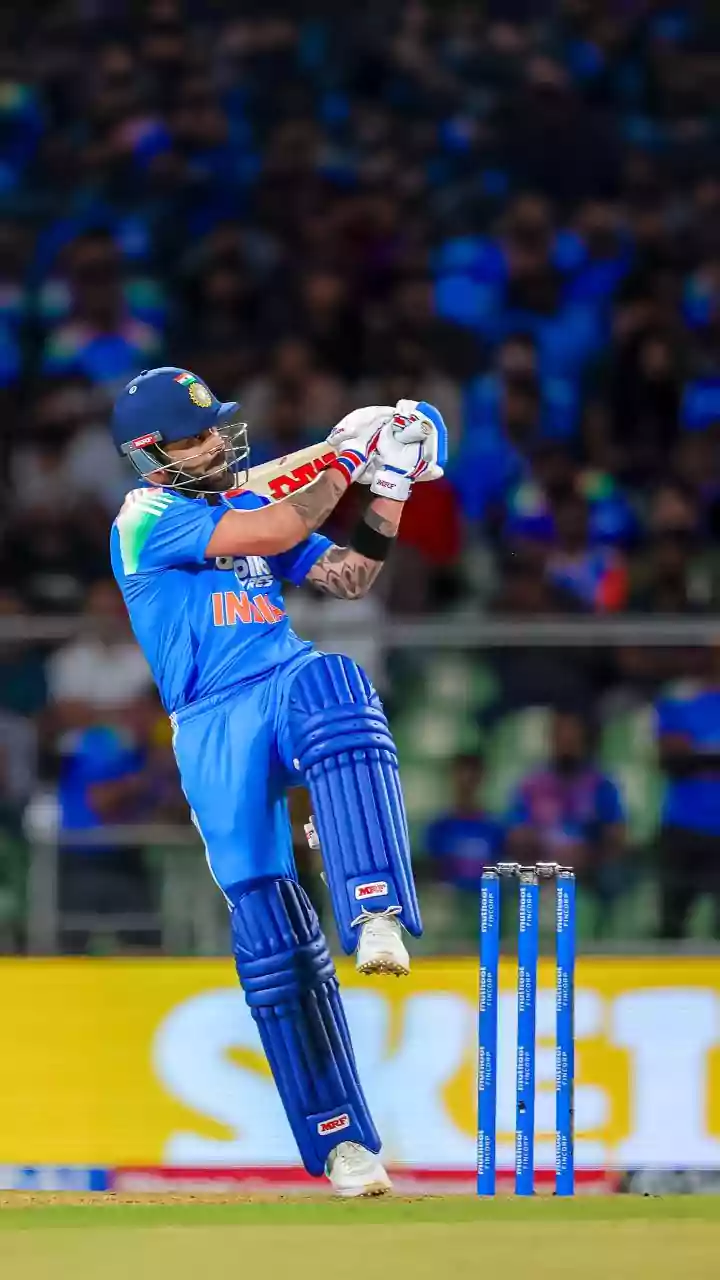
A common criticism of the shortest format is that it's all about brute force, with batsmen swinging for the fences from ball one. While power-hitting is a key element, modern T20 is a deeply strategic game. Teams employ detailed analytics to exploit matchups, and bowlers have developed an arsenal of variations—from knuckleballs to wide yorkers—to counter aggressive batting. Fielding has also become a crucial tactical component, with teams saving 15-20 runs a game through athletic dives and boundary stops. The format's rules, like fielding restrictions, are designed to encourage attacking play, but winning requires more than just strength. It demands complex on-the-fly tactics from captains, specialist bowlers for different phases of the innings, and batsmen who can innovate, not just slog.
Myth: Winning the toss is half the battle won
Captains and commentators often stress the importance of the coin toss, suggesting it provides a decisive advantage. Statistically, however, its impact is much smaller than believed. Across thousands of matches in all formats, the advantage of winning the toss is only a few percentage points. A study of over 2,900 ODIs found that teams winning the toss won 50.68% of the time—a near-even split. While factors like dew in day-night games can increase its importance, particularly in the IPL, it's rarely the match-defining moment it's made out to be. Ultimately, factors like team skill, adapting to conditions, and executing a game plan have a far greater impact on the final result than the flip of a coin.
Myth: Modern players are less durable than old-timers
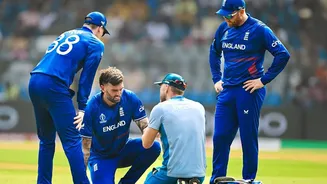
Some fans believe that cricketers from past eras were tougher, pointing to players who bowled endlessly or batted for days. However, the physical demands of the game have transformed entirely. Today's players compete year-round across three intense formats, facing a far more crowded schedule. The athleticism required has skyrocketed, with an emphasis on speed, agility, and power that was secondary in previous generations. While older players were certainly tough, modern cricketers are highly conditioned athletes who follow structured strength programs, nutrition plans, and recovery protocols to cope with non-stop cricket. Their careers are often longer, with many playing at their peak well into their late thirties thanks to these advancements in fitness and sports science.
Myth: Cricket is only popular in a handful of countries
While cricket's biggest fanbases are concentrated in Commonwealth nations like India, Pakistan, and Australia, the game's global footprint is expanding rapidly. The International Cricket Council (ICC) now has over 100 member nations, with 99 of them being Associate Members. The rise of T20 cricket and its inclusion in the 2028 Olympics have fueled new interest in markets like the USA, Canada, Germany, and Nepal. Associate nations are becoming more competitive, producing notable upsets and growing passionate local fanbases. There are over 1.5 million participants in these emerging countries, and the ICC is actively investing in grassroots development to build a bigger, more global game for the future.