



The Sweet, Sad Farewell
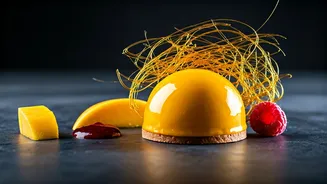
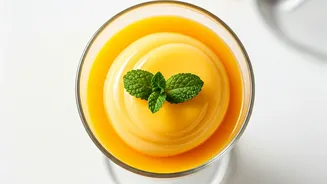
For millions, summer in India isn't measured by the calendar but by the arrival of mangoes. It’s a national obsession, a fever that grips the country from the first blossoms in March to the final fruit plucked in July or August. But as the monsoon clouds
gather and the first cooling rains drench the parched earth, a specific kind of melancholy sets in. This is the end. The 'final wave' refers to the arrival of the last batches of late-season varieties, the hardy survivors that extend the magic just a little longer. It triggers a last-minute rush to markets, where families buy fruit by the box, not the piece. It’s a frantic effort to pickle, preserve, and gorge on the last taste of sunshine before the season officially closes, leaving behind only sweet, sticky memories and the lingering scent on one's fingertips.
More Than Just a Fruit
To understand the final wave, you have to understand that in India, the mango is never 'just a fruit.' It's the undisputed 'king of fruits,' a cultural touchstone woven into the fabric of daily life, religion, and art. The season is a celebration of abundance and a marker of time. Childhoods are punctuated by memories of climbing trees, of grandmothers pickling tart green mangoes, and of juice-stained family gatherings where formal table manners are abandoned in favor of slurping the sweet, fibrous flesh directly from the seed. The mango appears in poetry and mythology, its teardrop shape inspiring paisley patterns. Its end, therefore, feels less like a simple change in produce availability and more like the closing of a vibrant social and sensory chapter. It’s the official, edible end of summer.
A Parade of Late-Season Heroes
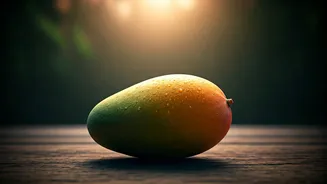
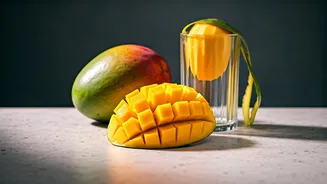
While Americans might be familiar with one or two types of mangoes, India boasts over a thousand varieties, each with its own loyal fanbase. The early season is dominated by the world-famous Alphonso, a creamy, non-fibrous variety from the west coast so prized it’s treated like a luxury good. But the real connoisseurs know the season is a marathon, not a sprint. The final wave brings its own set of champions. There's the Chaunsa from the north, intensely sweet with a bright yellow peel and a wonderfully aromatic pulp. Or the Langra, a greenish-hued mango from Varanasi that retains a slight tartness to balance its sugary flavor. These late-season heroes are often what locals truly cherish—they represent a final, desperate, and delicious clinging to the season. They may not have the international fame of the Alphonso, but they are the ones that see Indians through to the very end.
The Taste Americans Are Missing
For years, Indian mangoes were largely unavailable in the United States due to import restrictions. While access has improved—with irradiated fruits now available in specialty stores during the season—they remain a rare and expensive treat. Most mangoes found in American supermarkets are Mexican or South American varieties like the Tommy Atkins, a sturdy, beautiful fruit bred for long-distance travel, not for taste. An Indian mango, by contrast, is a flavor explosion: a complex blend of honey, citrus, and floral notes with a buttery texture that melts in your mouth. The fragility and short shelf life that make them difficult to export are precisely what make them so transcendent. The final wave hitting Indian homes is a poignant reminder of a flavor profile and a seasonal devotion that most of the world can only dream of.