

Saturn Looms Large and Bright
While Saturn’s grand opposition event, when it is at its closest and brightest for the year, is technically on October 4th, late August is the perfect time to start observing it. The ringed planet will be a prominent, steady golden light in the sky, rising
in the east as evening falls and visible for most of the night. It will be located in the constellation Cetus. Even a basic pair of binoculars might give you a hint of its shape, but a small telescope will begin to reveal its magnificent rings, which are tilted at a fascinating angle this year. Look for it in the hours around midnight when it's highest in the sky for the clearest view. From August 28th to 31st, the bright waning gibbous Moon will pass near Saturn, making the planet incredibly easy to locate for beginners.
A Partial Lunar Eclipse Beckons
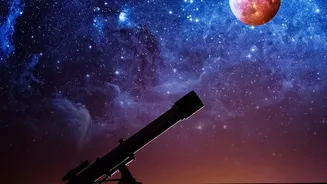
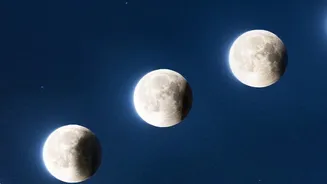
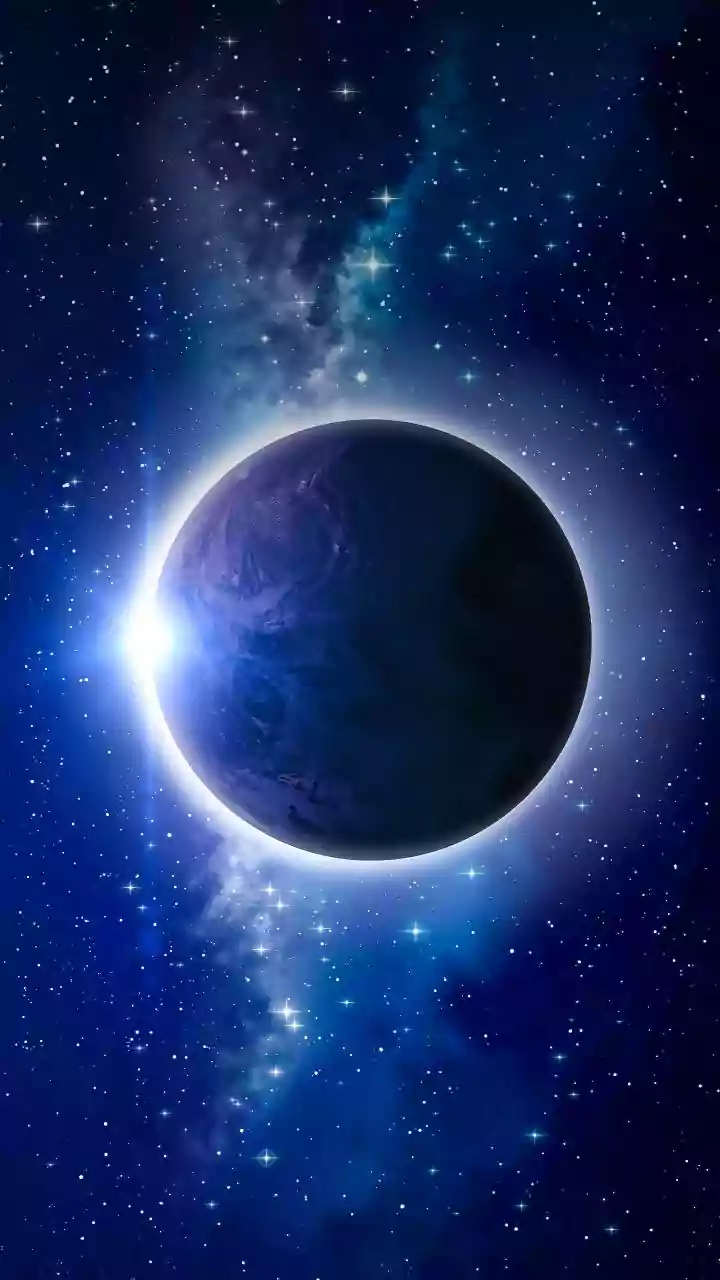
Mark your calendars for the night of August 27-28 for a partial lunar eclipse. This event occurs when the full Moon passes partially into Earth's dark inner shadow, the umbra. As a result, a portion of the lunar surface will appear noticeably darkened. While the absolute peak of the eclipse on August 28 is centred over the Americas, Europe, and Africa, the changing brightness of the Moon will still be a fascinating sight. The full Moon of August 28, also known as the Sturgeon Moon, will be bright and visible nearly all night, offering a beautiful backdrop for your stargazing sessions.
The Morning Planets: Mars and Jupiter
For the early risers, the pre-dawn sky holds its own rewards. Mars, the distinctive Red Planet, will be visible to the naked eye, appearing high in the sky before dawn. Jupiter will also be visible, though it will be very low on the eastern horizon and potentially tricky to spot in the growing twilight. If you have a clear view unobstructed by buildings or trees, you can try to catch this planetary giant. These morning apparitions are part of a larger planetary parade happening earlier in the month, but Mars and Saturn remain the easiest to spot in late August.
Optimal Viewing in the Waxing Moonlight
Understanding the Moon's phases can significantly enhance your stargazing. After the New Moon on August 12, the Moon enters its waxing phase, growing from a crescent to a First Quarter Moon on August 20. The week following the 20th will feature a waxing gibbous Moon, which provides some natural light but sets later in the night. This means the hours before moonrise offer darker skies, which are ideal for spotting fainter stars and constellations. However, the brightness culminates in the Full Moon on August 28. This bright moonlight will wash out fainter objects, so it is best to focus on bright targets like Saturn and Mars during this time.
Tips for the Best Viewing Experience
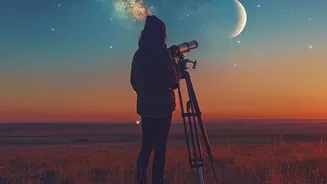
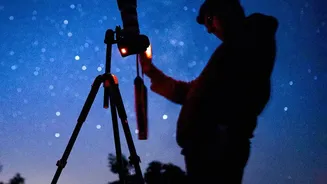
To make your late-August stargazing successful, a little preparation goes a long way. Find a location away from city lights, as light pollution is the biggest obstacle to a clear view. Allow your eyes 20 to 30 minutes to fully adapt to the darkness; avoid looking at your bright phone screen during this time. Using a red torch is a great alternative as it preserves your night vision. While many of these sights are visible to the naked eye, a pair of binoculars can dramatically enhance your view, revealing the shape of planets and the details of the Moon. Finally, be patient. The universe reveals its beauty to those who wait.