

The Season of Celebration and Discomfort
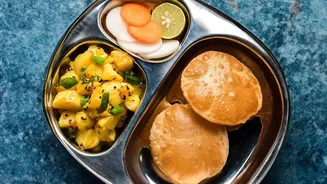
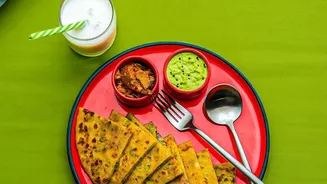
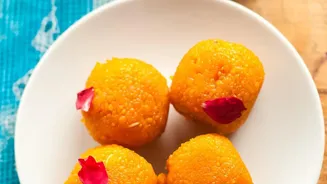
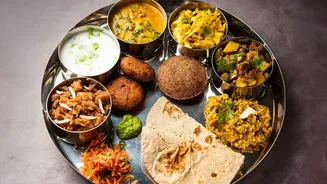
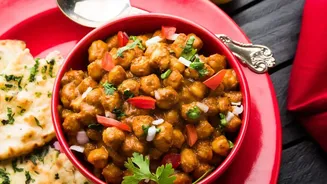
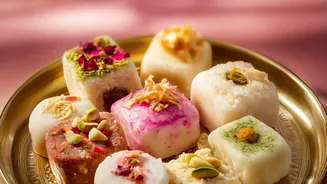
From Navratri and Dussehra to the grand finale of Diwali, the Indian festive calendar is a marathon of social gatherings where food is the main event. Ghee-laden laddoos, crispy samosas, rich curries, and countless fried delicacies are central to the celebrations.
While these dishes are steeped in tradition and taste, they often lead to a less-talked-about after-effect: digestive distress. Symptoms like bloating, acidity, indigestion, and general sluggishness become common as our digestive systems struggle to keep up with the sudden influx of heavy, oily, and sugary foods eaten at irregular hours. This cycle of feasting followed by discomfort is a familiar story for many.
A Cultural Shift Towards Mindful Feasting
What feels different this year is the growing chorus of voices advocating for a more balanced approach. It’s no longer about total restriction but about mindful indulgence. An increasing number of people, influenced by a greater awareness of wellness and health, are seeking ways to enjoy the festivities without compromising their well-being. This shift is moving the conversation from post-festival detoxes to proactive, healthy habits during the celebrations themselves. The goal isn't to skip the foods we love but to manage portions, make smarter choices, and listen to our bodies' cues.
Proactive Strategies for a Happy Gut
The key to better digestive health during this period begins before you even arrive at a party. Staying well-hydrated by drinking plenty of water throughout the day is crucial, as thirst is often mistaken for hunger. Some nutritionists suggest having a small, healthy snack like a bowl of fruit or sprouts before heading out to prevent overeating on an empty stomach. Another effective strategy is to include probiotic-rich foods like yogurt or buttermilk in your daily diet, which helps support good gut bacteria and can mitigate issues like gas and acidity.
Navigating the Festive Plate with a Plan
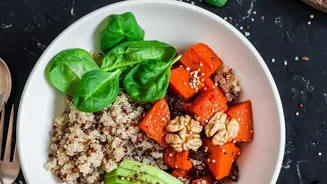
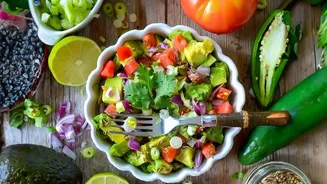
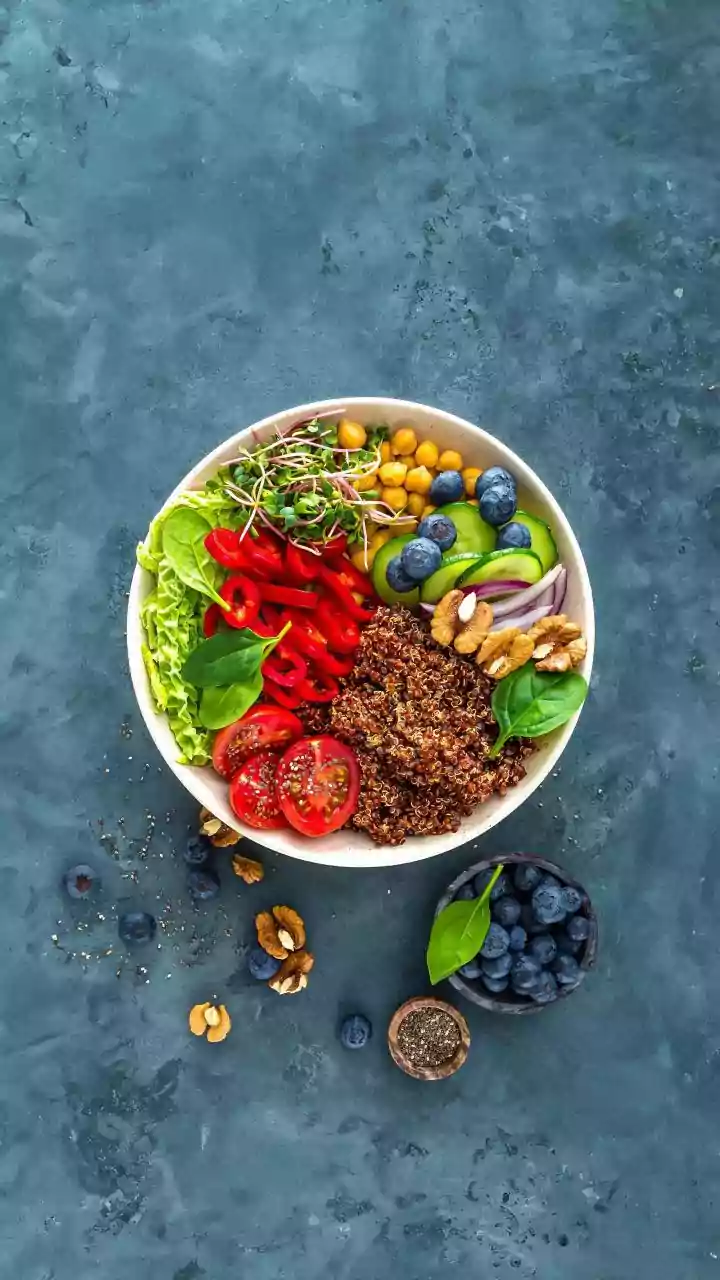
When faced with a lavish spread, a simple rule of thumb can make all the difference: the plate method. Aim to fill half your plate with vegetables or salad, a quarter with protein (like dal, paneer, or chana), and the remaining quarter with grains like rice or roti. This ensures you get a balanced mix of nutrients. When it comes to sweets and fried snacks, moderation is key. Instead of sampling everything, choose one or two of your absolute favourites and savour them slowly. Practicing mindful eating—chewing thoroughly and paying attention to flavours—can increase satisfaction and help your brain register when you're full.
Healthier Twists on Traditional Favourites
The conversation around festive food now includes creative and healthier modifications of classic recipes. Many are choosing to bake or air-fry snacks like gujiyas and samosas instead of deep-frying them. There's also a move towards using whole grains and millets in sweets, such as making laddoos with oats or ragi. Natural sweeteners like jaggery and dates are increasingly replacing refined sugar. These small swaps allow families to honour tradition while making dishes that are lighter and easier on the digestive system.
The Day-After Recovery
Even with the best intentions, overindulgence can happen. For the day after a heavy meal, focus on giving your gut a rest. Opt for light, easy-to-digest meals like khichdi or curd rice. Sipping on warm water, perhaps infused with ginger or lemon, can aid digestion and help flush out toxins. It's also important to avoid the temptation of extreme detox diets, which can stress your system further. Gentle movement, like a 20-minute walk after meals, can also significantly help reduce bloating and improve digestion.