




The Unseen Ingredient in Your Cup
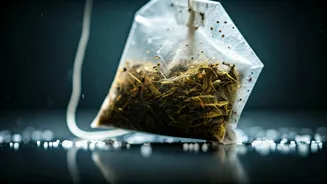
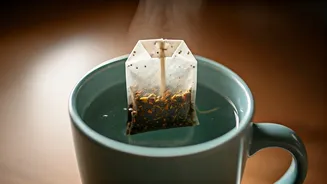
The problem lies in the very construction of the tea bag. Many paper tea bags, which seem innocent, are sealed using polypropylene, a type of plastic, to prevent them from falling apart in hot water. When you steep these bags at brewing temperature (typically
around 95°C), the plastic begins to break down. The issue is even more pronounced with premium 'silken' or pyramid-shaped tea bags. These are often marketed as a luxury choice, but are typically made entirely of plastics like nylon or polyethylene terephthalate (PET).
A Shocking Dose of Microplastics
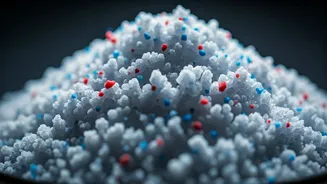
The scale of this plastic release is staggering. A landmark 2019 study from McGill University found that a single plastic tea bag steeped at brewing temperature can release approximately 11.6 billion microplastic and 3.1 billion nanoplastic particles into just one cup. To put that into perspective, it is thousands of times higher than the levels of plastic found in other foods and beverages. These particles are tiny fragments of plastic, less than 5 millimeters in size, that are shed from the bag's material when exposed to heat.
What Are the Health Concerns?
The long-term health effects of ingesting microplastics are still an area of active and urgent scientific study. However, researchers are concerned about several potential risks. Animal studies have suggested that exposure to micro and nanoplastics can lead to inflammation and oxidative stress in the gut. There is also concern that these tiny particles can accumulate in the body over time. Microplastics have been found in various human organs, including the lungs, liver, and even the brain, raising questions about their long-term impact on our health. While there is no definitive proof of harm in humans yet, the potential risks have led many health-conscious consumers to seek alternatives.
How to Identify a Plastic Tea Bag
You don't need a laboratory to spot a potentially problematic tea bag. For paper bags, check the edges; if they appear crimped, melted, or fused together without a staple or stitching, they are likely heat-sealed with plastic. Bags that are stapled or folded shut are generally a safer bet. Be especially wary of 'silky', 'mesh', or 'pyramid' bags, as these are almost always made from nylon or PET plastic. Even some products marketed as 'bioplastic' or made from PLA (polylactic acid) derived from corn starch can still release particles and may only be compostable in industrial facilities.
Your Guide to a Plastic-Free Brew
The good news is that avoiding plastic in your tea is simple and has several benefits. The most reliable method is to switch to loose-leaf tea. Brewing loose leaves in a stainless steel, ceramic, or glass infuser completely eliminates the risk of plastic from the bag. This method is often preferred by tea connoisseurs for its superior flavour and aroma. If you prefer the convenience of bags, look for brands that explicitly state they are 'plastic-free'. These companies often use unbleached paper bags that are folded and stitched with cotton thread instead of being heat-sealed. Reusable cotton or linen tea bags are another excellent, waste-free option.