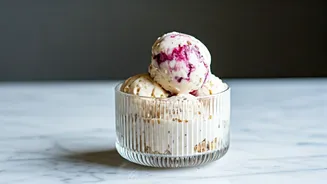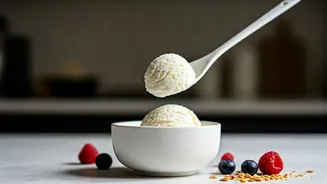




What’s the Big Scoop on Protein Ice Cream?
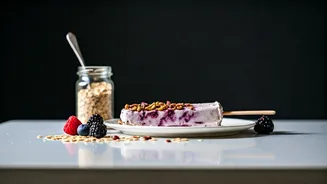
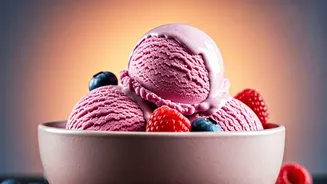
At its core, protein ice cream is a frozen dessert that prioritises protein content, often with less sugar and fat than traditional ice cream. The trend has exploded across platforms like TikTok and Instagram, where fitness enthusiasts and foodies alike
share their simple, customisable creations. The appeal is twofold: it satisfies sweet cravings while helping people meet their daily protein goals. Instead of complex ingredients, most viral recipes use a base of high-protein dairy like cottage cheese or Greek yogurt, blended with a scoop of protein powder and a sweetener of choice. The result is a treat that aligns with modern wellness trends, offering a delicious reward without derailing health-conscious lifestyles.
The Viral Cottage Cheese Method
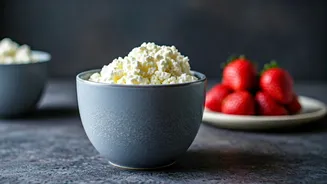
The undisputed star of the protein ice cream trend is cottage cheese. Once relegated to diet plates of the past, it’s now celebrated for its high protein content and ability to blend into a surprisingly smooth and creamy base. To try it yourself, you don't need any special equipment beyond a blender. Simply combine one to two cups of full-fat cottage cheese with a scoop of your favorite protein powder and a tablespoon or two of a liquid sweetener like honey or maple syrup. Blend until the mixture is completely smooth, with no curds remaining. You can pour this mixture into a loaf pan or even back into the cottage cheese container and freeze for at least four hours. For the best texture, let it thaw for 5-10 minutes before scooping.
The Ninja Creami Craze
A huge driver of the protein ice cream phenomenon is the Ninja Creami, an appliance that specialises in turning frozen solid blocks into incredibly smooth, scoopable desserts. Creami users typically mix a liquid base—often a pre-made protein shake or a blend of milk, protein powder, and a thickener like sugar-free pudding mix—and freeze it in the machine's special pint containers for 24 hours. Once frozen, the machine’s blade shaves and churns the block into a texture that closely mimics traditional ice cream. A common technique involves a first spin on a 'Lite Ice Cream' setting, followed by adding a splash of milk and using a 'Re-Spin' function to achieve an even creamier result. This gadget has made it easier than ever to achieve professional-quality texture at home.
No Special Gear? No Problem
You don’t need a fancy machine to join the trend. A simple blender or food processor is all that's required for a delicious no-churn version, often called 'nice cream'. The most popular base for this method uses frozen bananas, which provide natural sweetness and a creamy texture when blended. For a simple chocolate version, blend two frozen, sliced bananas with a scoop of chocolate protein powder, a splash of milk, and a tablespoon of nut butter until it reaches a soft-serve consistency. You can enjoy it immediately for a soft-serve texture or transfer it to a loaf pan and freeze for a couple of hours for a firmer, more scoopable ice cream. Stirring the mixture every 30 minutes during the first hour can help prevent ice crystals from forming.
Tips for Perfect Flavour and Texture
The key to delicious protein ice cream is managing both flavour and texture. The choice of protein powder is critical; use a brand and flavour you already enjoy, as it will be the dominant taste. Whey and plant-based blends tend to work well. To avoid a chalky or icy result, several tricks can help. Using full-fat ingredients like whole milk cottage cheese or full-fat coconut milk provides a creamier mouthfeel. Many recipes also call for a tablespoon of instant pudding mix or a pinch of xanthan gum, which act as stabilisers and thickeners to improve the texture. Finally, don't be afraid to get creative with mix-ins like crushed cookies, chocolate chips, fruit, or a swirl of peanut butter after the base is blended.