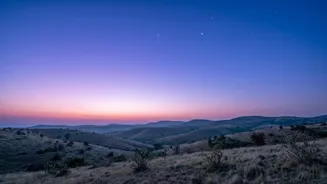







What is a Dark Sky Community?
A Dark Sky Community is a town or city that has shown exceptional dedication to preserving the night sky by implementing and enforcing quality outdoor lighting policies. The goal isn't to eliminate light but to use it wisely, a concept often described
as 'smarter, not less, light'. This involves using shielded fixtures that direct light downwards, avoiding excessive brightness, and using warmer-toned lights that cause less skyglow. The certification is awarded by DarkSky International, a global nonprofit organization committed to combating light pollution. This designation is more than just an award; it's a recognition of a community's commitment to protecting our natural nighttime environment for wildlife, human well-being, and future generations to enjoy the cosmos.
Udmal's Journey to the Stars
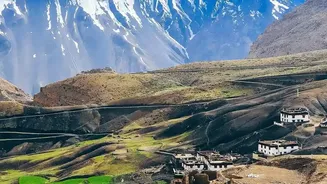
Nestled in the Surgana taluka of Nashik district, Udmal is a small, tribal village whose remote location has naturally protected it from the pervasive light pollution of urban centres. This pristine darkness makes it an ideal candidate for astronomical observation. Recognizing this unique asset, the Udmal Gram Sabha passed a resolution under the Panchayats (Extension to Scheduled Areas) Act (PESA) to formally protect their dark skies. The district administration has sanctioned ₹42.1 lakh for the project, which will be used to assess the night sky quality, install responsible lighting systems, and run awareness campaigns. This community-led initiative is a powerful step towards blending heritage conservation with sustainable development.
The Promise of a Starlit Economy
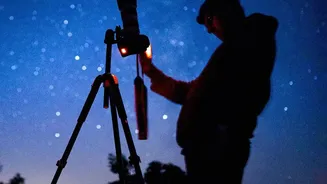
Achieving Dark Sky certification is expected to unlock significant opportunities for Udmal, primarily through astro-tourism. This growing form of ecotourism attracts visitors who seek out unpolluted night skies for stargazing, astrophotography, and a deeper connection with nature. The initiative aims to create sustainable livelihood opportunities for the local Kokna tribal community, with plans for technical training for local youth in collaboration with the NGO AstronEra. By attracting visitors who often stay overnight, the village can boost its local economy through hospitality, guided tours, and other services. Furthermore, the project serves as a model for preserving nocturnal ecosystems, which are often disrupted by artificial light.
Maharashtra's Broader Vision
Udmal's pioneering effort is part of a larger push by the Maharashtra government to establish the state as a prime destination for astro-tourism. The government has identified 11 potential sites for dark sky development, including locations near the Pench and Tadoba-Andhari Tiger Reserves, Lonar Crater Lake, and Bhandardara. Earlier in 2024, the Pench Tiger Reserve became India's first designated Dark Sky Park, highlighting the state's commitment. By creating a network of certified dark sky locations, Maharashtra aims to develop tourism circuits that promote science, education, and eco-friendly travel, encouraging visitors to stay longer and explore the state's natural beauty after sunset.