



Why Eating Seasonally Matters
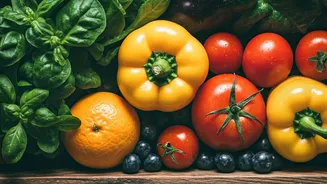
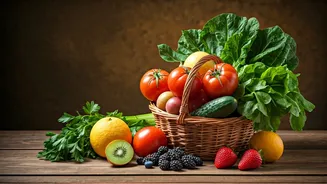
Shopping for seasonal produce is one of the smartest decisions you can make for your wallet and your health. When fruits and vegetables are in season, they are abundant, which naturally drives down their prices. They are also harvested at their peak,
meaning they are fresher, more flavourful, and packed with the highest nutritional value. Traditional Indian food wisdom has always been tied to the seasons, with monsoon diets favouring fresh, easy-to-digest meals that boost immunity when infections are common. By choosing what's naturally available, you support local farmers, reduce your carbon footprint, and give your body the specific nutrients it needs to thrive during this time of year.
Bottle Gourd (Lauki)
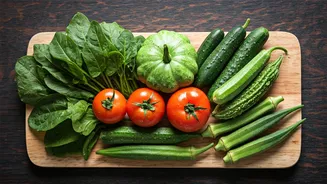
Often overlooked, lauki is a star of the monsoon kitchen. This humble gourd thrives in the humid, rainy weather, making it widely available and incredibly affordable in July. Known for its high water content and cooling properties, it's exceptionally easy to digest, aligning perfectly with the body's needs during the monsoon. Lauki is low in calories but rich in fibre, aiding in weight management and smooth digestion. Its subtle flavour makes it versatile for cooking. Use it to make a classic lauki sabzi, add it to dals for extra nutrients, or grate it to make delicious koftas or even a sweet lauki kheer.
Bitter Gourd (Karela)
Don't let the name fool you; bitter gourd is a nutritional powerhouse, especially during the monsoon. Traditional wisdom values bitter foods during this season for their ability to support liver function and boost immunity. Its availability peaks in the rainy season, making it a cost-effective choice. Rich in Vitamin C and antioxidants, karela is excellent for managing blood sugar levels and fighting off seasonal illnesses. To reduce its bitterness, you can salt it and let it rest before cooking. Try it stuffed with spices (bharwa karela), sliced and fried until crisp, or added to a flavourful curry.
Okra (Bhindi)
A favourite across India, bhindi, or lady's finger, grows profusely in the hot and humid conditions of July. Its abundance means you'll find it fresh and at a good price throughout the month. Bhindi is a great source of fibre, Vitamin C, and folate. While sometimes blamed for price hikes when supply is disrupted by heavy rain, it remains a monsoon staple. For a delicious and non-sticky result, ensure the bhindi is completely dry before you chop it. Enjoy it simply fried with spices (kurkuri bhindi), in a tangy gravy, or as a classic bhindi masala.
Java Plum (Jamun)
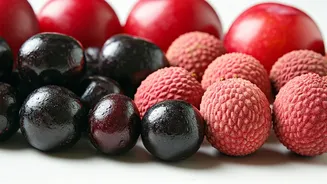
Jamun is the quintessential monsoon fruit, and its arrival is eagerly awaited. Available from June through July, this deep purple fruit is both delicious and medicinal. Its price is lowest during this peak season. Jamun is celebrated for its potential to help manage blood sugar levels and is packed with vitamins and antioxidants that aid digestion and improve skin health. Enjoy them fresh with a sprinkle of black salt, or use the pulp to make a refreshing juice, a tangy chutney, or even a healthy smoothie.
Corn (Bhutta)
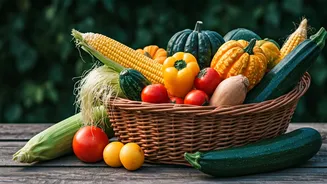
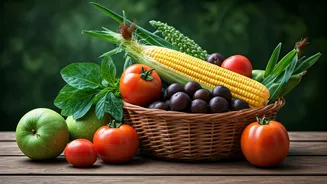
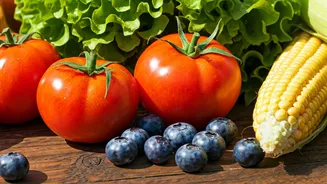
The sight and smell of roasted bhutta is synonymous with Indian monsoons. Corn is harvested during the Kharif season, which aligns with the monsoon, making it fresh, sweet, and cheap in July. Whether you buy it from a street vendor or at the market, it’s a healthy and filling snack. It is a good source of fibre, vitamins, and minerals. Enjoy it roasted over charcoal and rubbed with salt, lemon, and chilli, or boil the kernels and use them in salads, soups, and sabzis.
Peaches and Plums (Aadoo and Aloo Bukhara)
While often associated with hill stations, peaches and plums make their way into markets across the country during the monsoon months. These fruits, which thrive in cooler, rain-fed climates, are at their juicy best in July. They are loaded with vitamins A and C and are a great source of dietary fibre. Their sweet and tangy flavour makes them a refreshing treat. Eat them fresh, slice them into a fruit salad, or cook them down to make delicious jams and sauces that can be enjoyed for months.