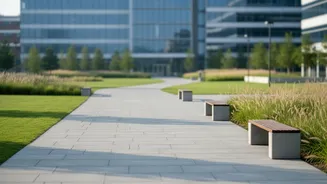








The Rise of the Mobile Meeting
The traditional boardroom meeting, with its rigid structure and reliance on technology, is getting a much-needed rethink. Professionals, weary of back-to-back video calls and sedentary days, are rediscovering an older, more dynamic way of collaborating:
the walking meeting. This isn't just a fleeting trend; it's a practical response to workplace burnout and a desire for healthier, more engaging work practices. The concept was famously championed by innovators like Apple's Steve Jobs and Facebook's Mark Zuckerberg, who used walks to foster more open and creative conversations. By removing the physical barrier of a desk or a conference table, walking side-by-side creates a more egalitarian and collaborative atmosphere. This shift is gaining momentum as companies like Google and LinkedIn integrate walking meetings into their corporate culture to spark innovation and improve employee well-being.
The Science Behind the Stroll
The benefits of walking meetings aren't just anecdotal; they are backed by compelling research. A landmark study from Stanford University found that walking can increase creative output by an average of 60%. The simple act of walking, whether indoors on a treadmill or outside in the fresh air, stimulates creative inspiration. This is because physical activity improves circulation and oxygen flow to the brain, enhancing cognitive function and problem-solving skills. Movement also helps break the monotony of sitting, which can lead to mental fatigue. Beyond the mental boost, walking meetings counter the negative health effects of a sedentary work life, reducing stress and increasing energy levels. The change of scenery provides a break from electronic distractions, allowing for deeper focus and more present conversation.
Making Your Walking Meeting Work
A successful walking meeting is more than just a casual stroll; it requires a bit of planning to be effective. It is not suitable for every situation. Meetings that require screen sharing, detailed presentations, or a large number of participants are best left in the conference room. Walking meetings are ideal for one-on-one check-ins, brainstorming sessions, problem-solving discussions, and any conversation where creative thinking is paramount. The optimal group size is small, typically two to four people, to ensure everyone can hear and participate easily. Larger groups can work, but they tend to break into smaller conversations, which may require a leader to regroup periodically.
Your Guide to Hitting the Pavement
Ready to try it? Here are a few tips to ensure your first walking meeting is a success. First, plan ahead and communicate clearly. Let attendees know in advance so they can wear comfortable shoes and appropriate clothing. Second, have a clear agenda. Knowing the topics beforehand keeps the conversation focused and productive. Third, choose your route wisely. Scout a path that is safe, relatively quiet, and accessible for everyone. Parks, walking trails, or even a loop around a large office campus work well. For remote teams, audio-only calls where everyone walks in their own neighborhood can be just as effective. Finally, decide how to capture notes. Some prefer to pause and jot down key points, while others use voice memos or designate one person to send a follow-up summary email.
Adapting to the Indian Context
For professionals in India, the idea of a walking meeting might present unique challenges, such as heat, humidity, noise, pollution, and a lack of pedestrian-friendly infrastructure in some cities. However, with a little creativity, these obstacles can be managed. Consider scheduling walking meetings for the early morning or later in the evening when the weather is cooler. Large corporate campuses, IT parks, or nearby public gardens can offer safe and pleasant environments. In a pinch, even a few laps around a quiet indoor space like a large office building or a mall before it gets crowded can serve the purpose. The key is to embrace the principle of movement to break the static nature of a typical meeting, adapting the practice to fit the local environment.