









The Big Picture: What the 2026 Report Says
The Centre for Science and Environment (CSE) released its annual 'State of India's Environment' report in early 2026, painting a stark picture of a nation under immense ecological stress. The key findings highlight a sharp increase in the frequency and severity
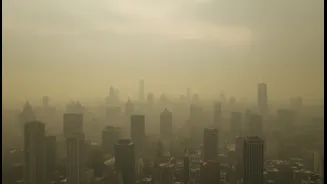
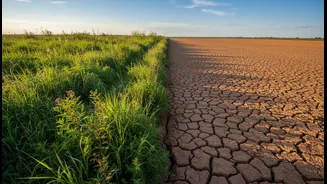
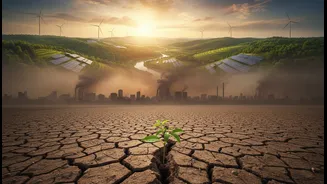
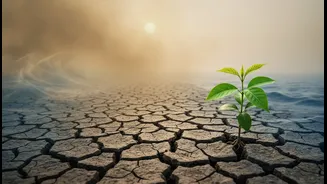
of extreme weather events, with 2025 recording such events on 99% of its days through November. This has led to tragic loss of life and affected millions of hectares of agricultural land. The report also points to severe air pollution, with a vast majority of the population living outside the reach of air quality monitors, and increasing human-wildlife conflict as habitats shrink. Globally, the report warns that we are breaching critical 'planetary boundaries,' which are the safe operating limits for humanity, threatening everything from freshwater availability to ocean health.
Your Health on the Line
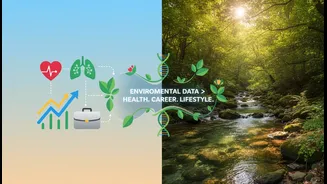
These environmental challenges are not abstract threats; they have direct consequences for your well-being. Worsening air quality, especially in urban centers, is linked to a rise in respiratory illnesses like asthma among young people. School closures due to extreme heatwaves or dangerously poor air quality are becoming more common, disrupting education and daily life. Beyond the physical toll, there is a growing mental health crisis known as 'eco-anxiety.' Surveys show a high percentage of Indian youth feel stressed and anxious about the future due to climate change. This persistent worry about environmental degradation is impacting daily productivity and overall mental peace, a sign that the health of the planet and our personal health are deeply intertwined.
Climate-Proofing Your Career
The environmental crisis is also reshaping the job market. While some traditional sectors may face disruption, this transition creates enormous opportunities for those prepared to innovate. A significant number of young Indians are now looking to pursue 'green careers'. The demand for skills in renewable energy, sustainable agriculture, waste management, green building construction, and corporate sustainability (ESG) is booming. Companies are increasingly seeking professionals who can help them navigate climate risks and transition to more sustainable operations. By aligning your skills with these growing fields—whether through formal education or specialized training—you not only contribute to solutions but also build a resilient and future-proof career. Consider how your existing interests in tech, finance, design, or law can be applied to the green economy.
From Anxiety to Action: High-Impact Choices
Feeling overwhelmed is a natural response, but it doesn't have to lead to paralysis. The key is shifting from anxiety to empowered action. While individual recycling efforts are good, the greatest impact comes from collective and systemic change. Use your voice and your choices. Support brands and businesses that are transparent about their supply chains and environmental impact. Use social media and digital platforms not just for connection, but for advocacy and raising awareness on local environmental issues. Get involved in community-level initiatives like lake clean-ups, tree planting drives, or citizen science projects that monitor local air and water quality. These actions create tangible change and connect you with a community of like-minded peers, turning a sense of isolation into a feeling of collective power.
Demand More Than Just Awareness
Ultimately, individual and community action must be supported by strong policy. A crucial service you can provide your future self is to become an engaged citizen. Many young people feel that while they learn about climate change in school, the education is not practical enough. Demand better climate education that equips you with tools to adapt and innovate. As a voter and a constituent, you have the power to hold elected officials accountable for environmental governance. Ask questions about urban planning, public transport, waste management, and the transition to renewable energy in your city and state. Supporting youth groups that lobby for stricter environmental laws is another powerful way to amplify your voice. Your engagement is critical to ensuring that the frameworks for a sustainable future are built today.