
The Germs Hiding in Plain Sight
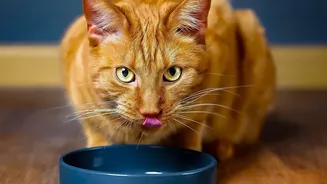
That slimy film you might feel inside your pet's bowl has a name: biofilm. This is a collection of microorganisms, including potentially harmful bacteria like Salmonella, E. coli, and Listeria, that have attached to the surface. According to a study by
the National Sanitation Foundation (NSF), pet dishes are one of the germiest items in the entire home. These bacteria can cause gastrointestinal upset, vomiting, and diarrhea in your pets. They can also pose a risk to the humans in the household, especially young children, the elderly, or those with compromised immune systems, through cross-contamination.
Your Daily Inspection Checklist
A daily check involves more than just a refill. First, look for leftover food. Wet food spoils quickly and becomes a breeding ground for bacteria, while even dry kibble can become contaminated. Next, check for dirt and that tell-tale slimy biofilm, which indicates a thriving bacterial colony. Finally, inspect the bowl itself for damage. Scratches, cracks, and chips are not just cosmetic flaws; they are microscopic hiding places where bacteria can flourish, safe from a regular wash. Damaged bowls, especially plastic ones, are nearly impossible to sanitize completely and should be replaced.
The Right Way to Wash
The U.S. Food and Drug Administration (FDA) recommends washing pet food and water bowls with soap and hot water after every single use—just like you would your own dishes. For water bowls, a thorough wash should happen at least once daily. Using a dishwasher on a hot cycle is an excellent way to clean and sanitize bowls that are dishwasher-safe. If washing by hand, use a separate sponge or brush dedicated to pet bowls to prevent cross-contamination in your kitchen. Rinse thoroughly to remove all soap residue and allow the bowls to dry completely before their next use.
Choosing the Safest Bowl Material
Not all bowl materials are created equal when it comes to hygiene and safety. Vets widely recommend stainless steel because it is durable, non-porous, and resistant to scratches where bacteria can hide. Food-grade ceramic or stoneware bowls are another solid option, provided they are intact. However, they can chip or crack, creating havens for germs, so they require regular inspection. Plastic bowls are generally the least recommended choice. They scratch easily, trapping bacteria, and can sometimes cause skin irritation or allergic reactions in sensitive pets. If you use plastic, replace it at the first sign of wear and tear.