




Master the Art of Watering
Improper watering is one of the most common reasons indoor plants fail. [12] Both overwatering and underwatering can be detrimental. [12] Overwatering is a frequent mistake that can lead to root rot, mold, and yellowing leaves. [1, 12] Conversely, underwatering causes
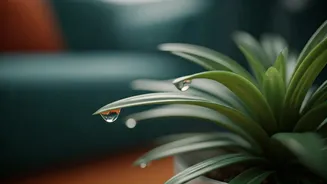
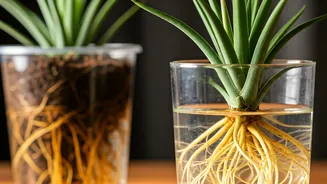
wilted leaves and brown, crispy edges. [1, 12] Instead of watering on a rigid schedule, check your plants weekly. [6] The best method is to feel the soil; if the top inch or two feels dry to the touch, it's time to water. [1, 4] When you do water, do it thoroughly until water drains from the bottom of the pot, then discard the excess from the saucer. [2, 15] This deep-soaking method encourages strong root development. [13] Always use room-temperature water, as water that is too hot or cold can shock the plant's roots. [2]
Provide the Right Amount of Light
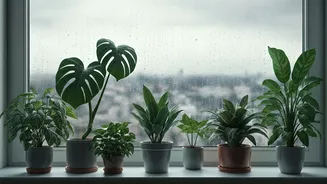
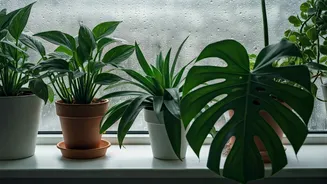
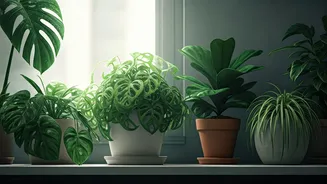
Light is a plant's food, and every plant has different dietary needs. [8] Understanding your home's light and your plant's preference is crucial. [12] South-facing windows offer intense, direct sun, ideal for high-light plants like succulents and cacti. [18, 20, 24] East-facing windows provide gentler morning sun, which most tropical houseplants enjoy. [24] West-facing windows get strong afternoon sun, while northern exposures offer consistent, indirect light suitable for low-light tolerant species like ZZ plants and snake plants. [20, 24] Pay attention to your plant's leaves; if they are pale or the plant looks stretched, it may need more light. [10] If you notice scorched spots, the sun may be too intense. [24]
Adjust Care with the Seasons
A key part of "all-season" care is recognizing that a plant's needs change throughout the year. [7] In spring and summer, during their active growing phase, plants need more frequent watering and regular feeding. [2, 17] As days shorten in the autumn and winter, most plants enter a dormant period. [7] During this rest phase, their growth slows, so you should reduce watering significantly and generally stop fertilizing until spring. [2, 7, 14] A plant you watered weekly in July might only need water every two to three weeks in January. [25] Overwatering in winter is a common cause of root rot. [7]
Don't Forget Humidity
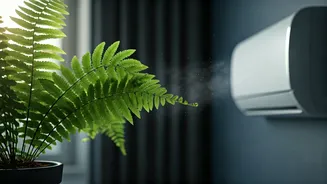
Many popular houseplants are native to tropical regions and crave more humidity than the average home provides, especially when heating systems are running in winter. [3, 7, 11] Dry air can lead to brown, crispy leaf tips. [7] To increase humidity, you can group plants together to create a humid microclimate, mist the leaves occasionally, or place pots on a shallow tray filled with pebbles and water. [2, 7] A small humidifier is also a great tool for keeping moisture-loving plants happy. [11]
Use the Right Soil and Pot
A plant's foundation is its soil and pot. Using the wrong soil or a container without proper drainage is a setup for failure. [1] Pots must have drainage holes to allow excess water to escape, preventing roots from sitting in water and rotting. [1, 9] The soil itself is just as important. A general, high-quality potting mix is a good start, but some plants have specific needs. [9] For example, succulents and cacti require a well-draining cactus mix to thrive. [1] When a plant becomes "root-bound," with roots circling the inside of the pot or growing out of the drainage holes, it's time to repot into a container that is just one to two inches larger in diameter. [8, 5] Repotting into a pot that is too large can lead to the soil staying wet for too long. [8]
Feed Your Plants (But Not Too Much)
Fertilizer replenishes nutrients that are washed out of the soil every time you water. [2] The main growing season, spring and summer, is the time to feed your plants. [2] Depending on the fertilizer, you might apply it every few weeks. [17] However, over-fertilizing can be more harmful than not fertilizing at all, as it can burn the plant's roots. [4, 12] For most houseplants, you should stop or drastically reduce feeding during the fall and winter when growth is dormant. [7, 19] Always follow the instructions on the fertilizer package for the correct dilution and frequency. [21]
Perform Regular Health Checks
Make a habit of regularly inspecting your plants. [9] Wiping dust off leaves with a damp cloth not only keeps them looking shiny but also helps them absorb more light for photosynthesis. [4] While cleaning, check the undersides of leaves and stems for common pests like spider mites and mealybugs. [5, 19] Pruning is also part of good maintenance. Trim off any yellowing or dead leaves to help the plant direct its energy toward new growth and prevent the spread of disease. [4] Pinching back the tips of vining plants can encourage them to grow fuller and more compact. [4]