




The Challenge of July Weather
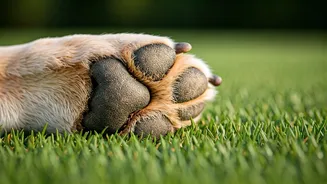
A dog’s paw pads are tough, but they aren't indestructible. In July, they face a dual threat. On hot, sunny days, asphalt and concrete can reach temperatures high enough to cause painful burns in less than a minute. One study found that when the air temperature is
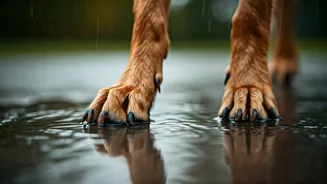
just 25°C, asphalt can heat up to 52°C. This heat can quickly lead to blisters, redness, and severe pain. Conversely, the monsoon season brings constant dampness. Paws that are wet for extended periods can become soft and more prone to injury. The moisture can also create an environment for fungal and bacterial infections to thrive between the toes, causing irritation and discomfort.
The 5-Second Rule for Walks
Before you head out, use this simple test to check the ground temperature. Place the back of your hand on the pavement for five to seven seconds. If it's too hot for your hand, it's definitely too hot for your dog's paws. During hot spells, the best practice is to adjust your walking schedule. Head out in the early morning or late evening when the ground has had a chance to cool down. If you must go out during the day, stick to grassy areas or shaded paths as much as possible. Natural surfaces like grass stay much cooler than man-made ones.
Moisturise to Maintain Healthy Paws
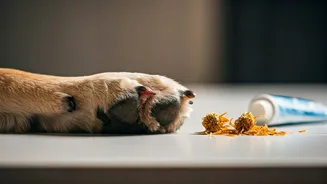
Just like our skin, paw pads can become dry and cracked, making them more susceptible to injury from hot or rough surfaces. Regular moisturising can keep them supple and healthy. Use a balm specifically designed for dog paws, as these are made with safe, lickable ingredients. Natural options like shea butter and coconut oil are also effective moisturisers. Both have hydrating properties, and coconut oil has the added benefit of being antimicrobial. Apply a thin layer to your dog's pads before bed, when they are relaxed and less likely to lick it all off immediately.
Inspect and Clean Paws Daily
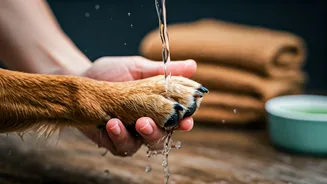
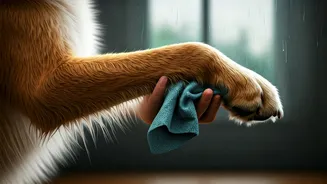
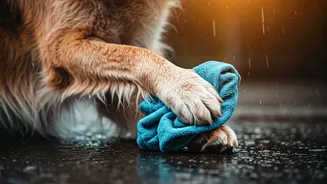
Make paw inspection part of your daily routine, especially after walks. Gently wipe their paws with a damp cloth to remove any dirt, allergens from grass or pollen, or irritants from the street. While cleaning, check for any signs of trouble: redness, swelling, blisters, or small cuts. Also, keep the hair between their paw pads trimmed. This improves traction and prevents uncomfortable mats from forming, which can trap moisture and debris. Regular nail trims are also crucial, as overgrown nails can alter your dog's gait and cause discomfort.
First Aid for Minor Cracks and Cuts
If you find a minor crack or small cut, you can often manage it at home. First, gently clean the area with warm water and a mild, pet-safe antibacterial soap to remove any debris. Pat the area dry carefully. For a minor cut, you can apply gentle pressure with a clean cloth or gauze to stop any light bleeding. After cleaning a cracked pad, applying a thin layer of a pet-safe moisturising balm can help soothe the skin and promote healing. You can cover the paw with a light bandage or a clean sock to prevent licking, but make sure it isn't wrapped too tightly. You should be able to fit two fingers between the bandage and their skin.
When to Visit the Veterinarian
While home care is suitable for minor issues, some injuries require professional attention. You should contact your veterinarian immediately if you notice deep cuts, severe burns with blisters or peeling skin, or signs of infection like swelling, pus, or a foul odour. If an object like glass is visibly embedded in the paw, do not try to remove it yourself. Limping, reluctance to walk, or excessive licking of the paw are also clear signs that your dog is in pain and needs a professional evaluation. A vet can properly clean and dress the wound and may prescribe antibiotics or pain relief to ensure a safe recovery.