


The Challenge of Space on the Body
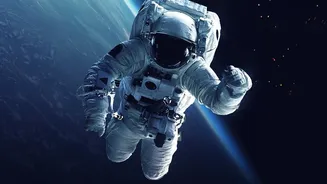
A trip to Mars could take years, and during that time, astronauts face a barrage of health risks unlike anything on Earth. Outside our planet's protective magnetic field, they are exposed to higher levels of space radiation. Combined with the profound
effects of microgravity, this environment takes a toll. Astronauts can experience loss of bone density and muscle mass, a weakened immune system, and even changes to their vision. While a balanced diet is crucial, the standard pre-packaged space food, which has a limited shelf-life, simply isn't up to the task for a mission that could last up to three years without any resupply missions. Nutrients degrade over time, meaning a meal that was perfectly healthy at launch could be nutritionally deficient by the time it's eaten near Mars.
One Size Fits No One
Even if the food could last, there’s another problem: every astronaut is different. Research has shown that spaceflight affects individuals in unique ways. One person might be more susceptible to bone loss, while another's immune system might be more compromised. A generic diet, even one packed with all known essential nutrients, fails to address these individual vulnerabilities. This has led to the realisation that for long-duration missions, a one-size-fits-all approach to nutrition is not just suboptimal; it's a potential risk to mission success. Astronauts on the International Space Station (ISS) already enjoy some menu personalisation, but this is largely based on preference from a list of available items. Future deep space nutrition needs to be far more sophisticated and based on individual physiology.
The Science of Personalised Space Meals
This is where personalised nutrition comes in. Scientists are now exploring ways to tailor diets to an astronaut's specific genetic makeup and real-time health data. The goal is to create a dynamic food system that can respond to an individual's changing needs throughout a mission. This could involve analysing an astronaut's biomarkers to determine if they are deficient in a specific vitamin or mineral, and then providing a supplement or a specially formulated food to correct it. For instance, researchers are developing customisable beverage emulsions that can deliver specific nutrients like omega-3 fatty acids, which may help protect against radiation and bone loss. These systems would allow for personalised flavour and sweetness, combating the well-documented issue of 'menu fatigue' that can lead to astronauts eating less and becoming malnourished.
From Lab-Grown Nutrients to 3D-Printed Food
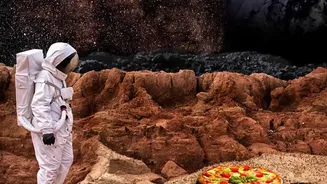
The technology to deliver these personalised diets is at the cutting edge of food science. NASA’s BioNutrients project is experimenting with using engineered microorganisms, like yeast, to produce essential vitamins on demand. This biomanufacturing process would allow crews to create fresh nutrients years into a mission, overcoming the problem of degradation in pre-packaged foods. Another futuristic solution being explored is 3D printing. An astronaut could, in theory, have their daily health data fed into a system that then 3D-prints a meal with the precise amount of protein, fats, carbohydrates, and micronutrients they need for that specific day. Beyond just nutrients, scientists are also looking at growing fresh produce, not just for the vitamins but for the psychological boost that fresh food provides.