

The Showstopper: Rasmalai Cake
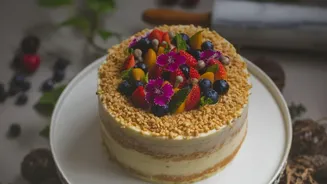
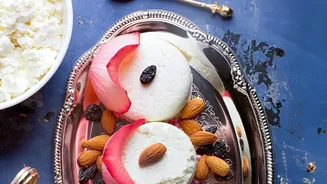
Arguably the star of the fusion dessert trend, the Rasmalai Cake is a fixture at birthdays, anniversaries, and festive celebrations. This creation typically involves a soft, eggless sponge cake, often flavored with cardamom, saffron, and rose water. The
cake layers are soaked in the sweet, milky syrup (the 'ras') from the rasmalai, infusing every bite with its distinct flavor. The frosting is usually a light whipped cream, which provides a beautiful contrast to the richness of the cake and the rasmalai pieces that are used both as a filling and a garnish. The result is a dessert that is at once familiar and novel, delivering the comforting taste of a classic Indian sweet in a modern, celebratory format that is visually stunning and incredibly delicious.
The Crowd-Pleaser: Gulab Jamun Cheesecake
Another titan of the fusion world is the Gulab Jamun Cheesecake. This dessert masterfully combines the deep, syrupy sweetness of gulab jamun with the creamy, tangy profile of a classic cheesecake. Most home bakers opt for a no-bake, eggless version, which makes it an accessible yet impressive treat to prepare. The process involves a simple biscuit crust, followed by a creamy layer of cream cheese, yogurt, or even paneer, and then the delightful surprise of soft gulab jamun pieces studded throughout the filling. It hits the perfect balance between Indian tradition and Western dessert craft, creating a balanced flavor that isn't overwhelmingly sweet. Its photogenic nature, with glistening syrup and chopped pistachios, has also made it a social media sensation.
The Festive Favorite: Thandai Mousse Cake
Especially popular around Holi, the Thandai Mousse Cake is a sophisticated and aromatic creation. Thandai, a traditional milk-based drink made with nuts, seeds, and spices like cardamom, fennel, and peppercorns, lends its unique flavour profile to this dessert. The cake usually features a light sponge base and a creamy, airy mousse layer infused with thandai syrup or powder. This dessert is often set with agar-agar, a vegetarian gelatin substitute, making it fully accessible for vegetarian bakers. Garnished with pistachios, almonds, and dried rose petals, it’s a fragrant and elegant dessert that captures the festive spirit perfectly, offering a cooler, lighter alternative to heavier traditional sweets.
The Easy Entertainer: Motichoor Ladoo Parfait
For those who want a quick, no-bake fusion dessert, the Motichoor Ladoo Parfait is a go-to. This dessert is all about layering, which makes it visually appealing and simple to assemble in glasses or jars for individual servings. It involves crumbling motichoor ladoos and layering them with a creamy mixture, which could be rabri, shrikhand, or a simple whipped cream cheese frosting. Some variations even turn this concept into a no-bake cheesecake. The beauty of the parfait lies in its texture and flavour contrasts—the grainy sweetness of the ladoo against the smooth, cool cream. It's a modern, deconstructed take on a beloved sweet that can be put together in minutes, making it perfect for last-minute party preparations.
Why This Trend is Here to Stay
The rise of fusion baking is more than just a passing fad; it reflects a broader cultural shift. Home bakers are driven by a desire to innovate while staying connected to their roots. These desserts offer a sense of novelty without straying too far from the familiar flavours many Indians grew up with. They are also perfectly suited for the social media age, as their beautiful presentation makes them highly 'Instagrammable'. Furthermore, this trend allows for endless creativity, with home bakers constantly experimenting with other mithai like kaju katli, jalebi, and gajar ka halwa in cakes, tarts, and cookies. It’s a delicious expression of a modern Indian identity that is proud of its heritage but also open to global influences.