






The Appeal of Accessibility
One of the most significant barriers to consistent exercise is accessibility. Gym memberships come with monthly fees, and boutique fitness classes can be even pricier. Walking, on the other hand, is free. It requires no special equipment beyond a comfortable
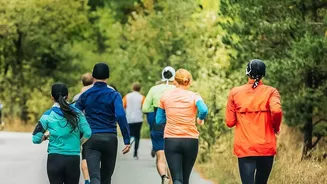
pair of shoes and no formal training. This low barrier to entry makes it an incredibly inclusive option. Fitness professionals note that walking groups are an approachable entry point for individuals who might feel intimidated by a traditional gym environment. Unlike classes that demand a certain level of athletic ability, walking is something most people do every day, making the transition to a structured group walk feel natural and achievable.
A Boost for Mental Wellbeing
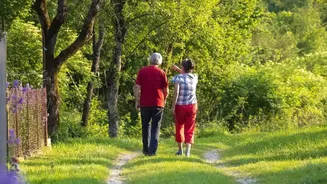
The mental health benefits of walking, particularly outdoors, are substantial. Research shows that group walks in nature can significantly lower depression and perceived stress while improving overall mental well-being. Exposure to natural light helps regulate circadian rhythms, which can improve mood and sleep, while the scents and sounds of a natural environment can lower cortisol, the body's stress hormone. Studies have found that walking in nature decreases activity in the part of the brain linked to repetitive negative thinking. This combination of gentle physical activity and a connection with nature provides a powerful antidote to the mental fatigue and anxiety of modern life, offering a restorative experience that a sterile indoor gym often cannot replicate.
The Power of Social Connection
While indoor classes can be social, the dynamic of a walking group fosters a different, often deeper, kind of connection. The side-by-side nature of walking allows for more natural and sustained conversation compared to the structured, forward-facing environment of a spin or yoga class. This creates a space for genuine friendships to form, turning exercise from a chore into a valued social occasion. This sense of community is a powerful motivator; knowing friends are waiting makes people more likely to show up consistently. For many, loneliness is a significant health risk, and walking groups offer a direct and enjoyable way to build meaningful social bonds. This social cohesion is a key reason people not only join but also stick with walking groups longterm.
Finding Your Niche Community
The trend has also given rise to a diverse array of specialized walking groups tailored to specific interests and demographics. There are groups for new mothers, dog owners, LGBTQ+ communities, and people of specific ages, like those organized by AARP. This allows people to find their tribe and connect with others who share similar life experiences. Some groups, like GirlTrek, are created for Black women, providing a supportive space for health and sisterhood. This 'community-maxxing' phenomenon, as some have dubbed it, reflects a desire to reignite face-to face connections in an increasingly digital world. Whether it's a casual neighborhood gathering or a more formally organized club, these groups are successfully creating microcommunities centered on movement and mutual support.