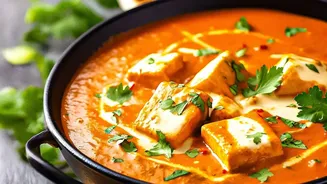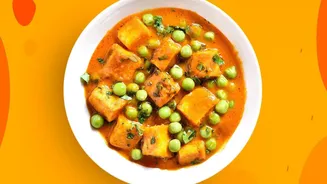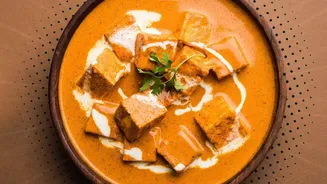

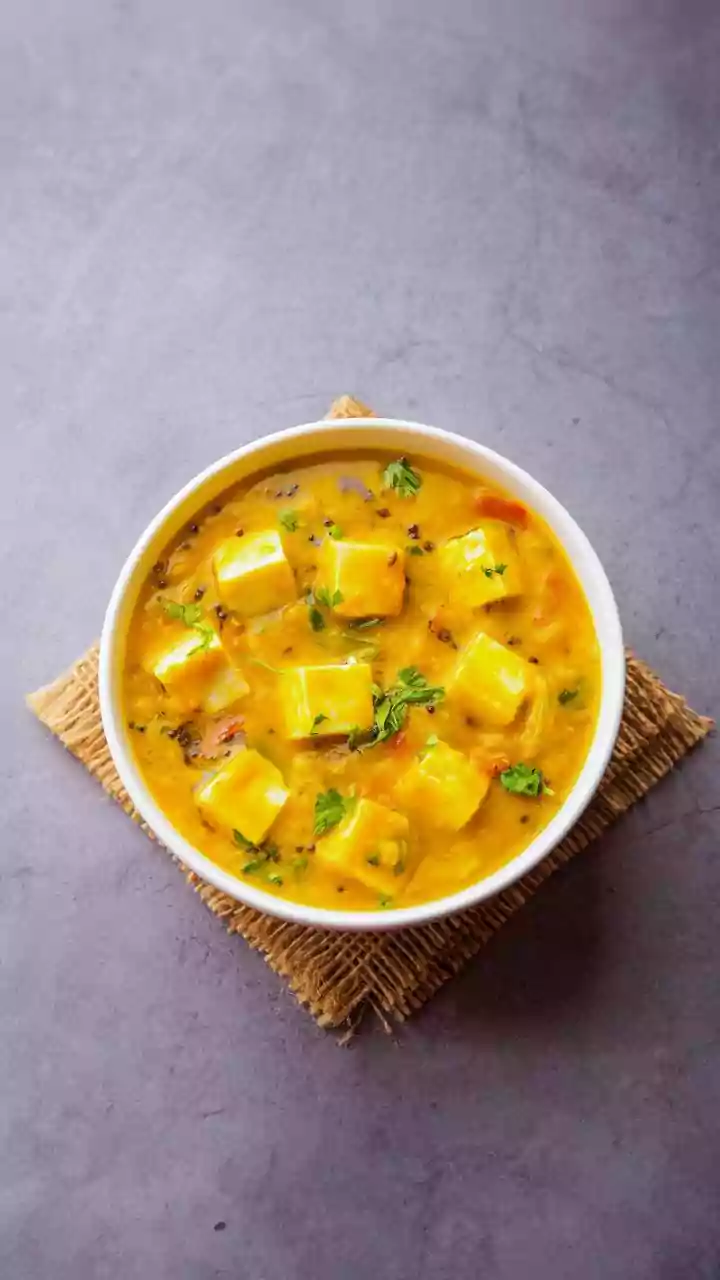
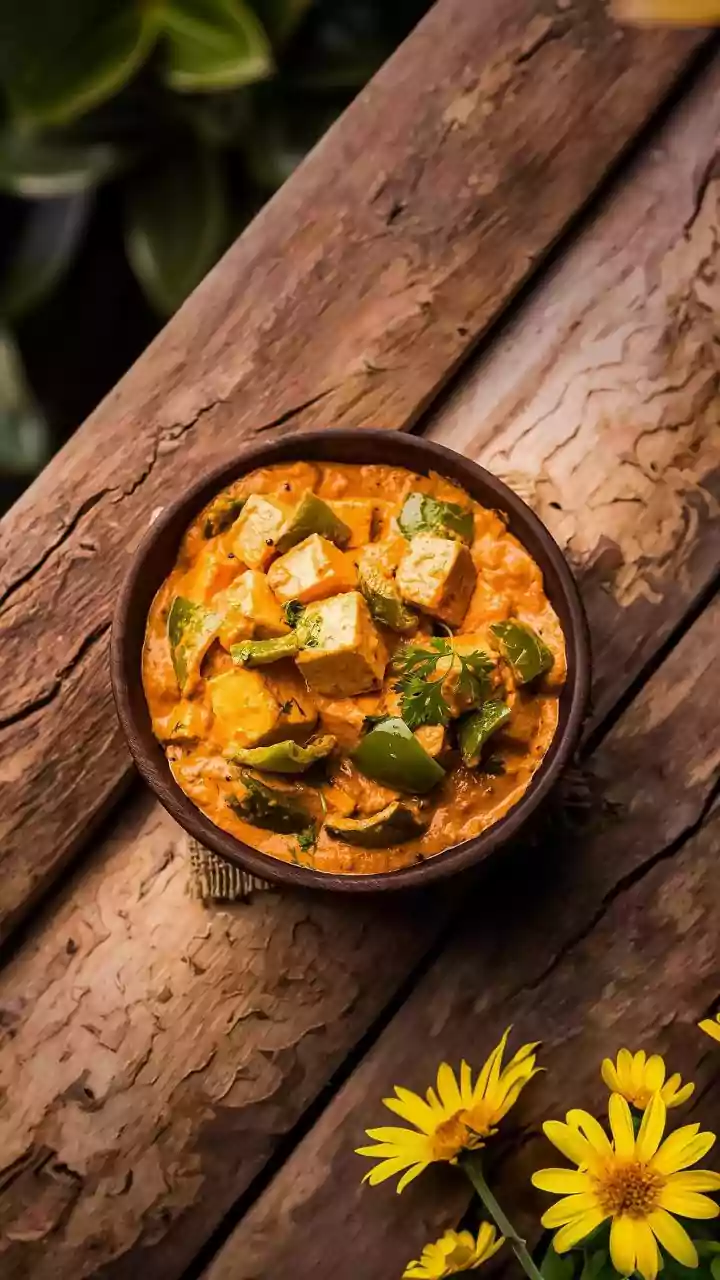
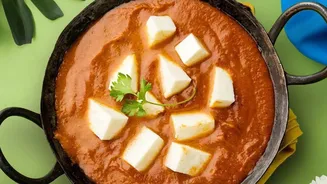
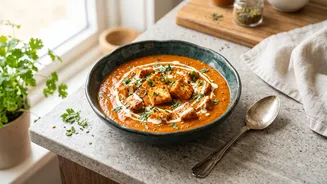
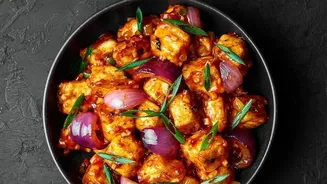
The dream of recreating a rich, velvety paneer curry from your favourite Indian restaurant can feel out of reach. But achieving that luxurious texture and flavour is easier than you think, without needing special equipment or hours over the stove.
The Foundation of Creaminess
The
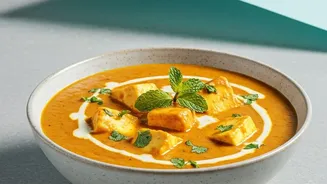
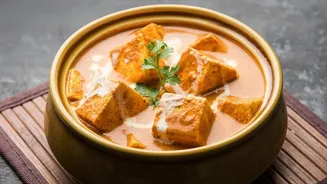
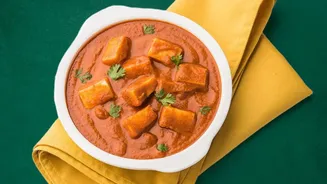
secret to any great paneer curry lies in its base gravy. While restaurants often rely on heavy cream and butter, you can achieve a similar, if not better, richness using common pantry items. The magic ingredient is often cashews. Soaking a small handful of raw cashews in warm water and blending them with your tomatoes creates a silky, thick foundation that’s naturally creamy without being overly heavy. Many recipes call for a simple blend of ripe tomatoes, onions, ginger, and garlic as the core of the gravy. Some variations also use yogurt, which adds a pleasant tanginess, but it must be added slowly over low heat to prevent splitting. The goal is to cook down these base ingredients until they are soft, then blend them into the smoothest paste possible. This smooth paste is the canvas upon which you will build your masterpiece.
Your Simple, Essential Toolkit
You do not need a kitchen full of professional gadgets to make a stellar paneer curry. The headline promises results with basic tools, and it’s true. The most important tool is a decent mixer-grinder or blender, which is essential for creating that smooth gravy base from your cooked onions, tomatoes, and cashews. Beyond that, your needs are simple: a heavy-bottomed pan or 'kadai' for even heat distribution, a spatula or wooden spoon for stirring, and basic measuring cups. A 'masala dabba' or spice box is a classic Indian kitchen tool that keeps essential spices handy, but individual jars work just as well. There's no need for food processors or high-end pressure cookers; the fundamentals of good Indian cooking have always relied on simple, effective tools.
The Secret to Perfectly Soft Paneer
The most common complaint about homemade paneer curry is that the paneer turns hard, squeaky, or rubbery. This is almost always due to overcooking or improper preparation. The single most effective trick to ensure soft, melt-in-your-mouth paneer is to soak the cubes in warm, sometimes salted, water for 10-20 minutes before adding them to the curry. This simple step rehydrates the cheese, making it tender and absorbent. Crucially, you should add the paneer at the very end of the cooking process. Once your gravy is complete and simmering, add the soaked and drained paneer cubes and let them gently heat through for just 2-5 minutes. Boiling the paneer in the gravy for a long time will inevitably make it tough. Treat it gently, and it will reward you with the perfect texture.
Building Layers of Flavour
A quick curry doesn’t have to be a bland one. Layering flavours correctly is key to achieving depth in a short amount of time. Start by blooming whole spices like cumin seeds, cloves, and cinnamon in hot oil or ghee until they become fragrant. This infuses the oil with their essential flavours. Next, add your aromatics—typically a ginger-garlic paste—and sauté until the raw smell disappears. This is followed by your blended tomato-onion-cashew paste. Cook this paste until it thickens and you see the oil start to separate from the masala, a visual cue that the base is well-cooked. Only then should you add your powdered spices like turmeric, red chilli powder, and coriander powder. Finally, a small amount of sugar or a hint of honey can balance the tanginess of the tomatoes, a technique often used in restaurants.
The Finishing Touches That Matter
The last two minutes of cooking can elevate your curry from good to great. The most impactful finishing touch is 'kasuri methi', or dried fenugreek leaves. Rubbing a teaspoon of these leaves between your palms to crush them before sprinkling them into the curry releases a unique, savoury aroma that is signature to many restaurant dishes. This is also the time for a final enrichment. A small swirl of fresh cream or a knob of butter can be added for extra luxury, but thanks to your cashew base, it’s often optional. Finally, a sprinkle of garam masala right at the end preserves its fragrant, volatile oils, which would otherwise be lost during a long simmer. Garnish with fresh coriander, and your quick, creamy, restaurant-quality paneer curry is ready to serve.