






Jamun: The Purple Powerhouse
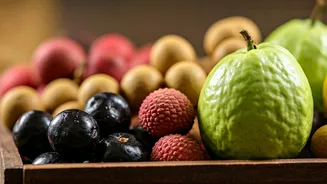
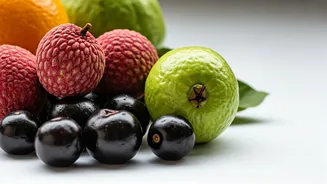
As the skies turn grey, the vibrant purple of Jamun (Java Plum) offers a delightful contrast. This quintessential monsoon fruit is more than just a nostalgic treat; it's a nutritional giant. Packed with antioxidants, vitamins, and minerals like iron,
potassium, and Vitamin C, Jamun is excellent for boosting your immunity, which often takes a hit during the damp weather. Its astringent properties are also known to keep the skin healthy and free from acne. Furthermore, Jamun has a low glycaemic index, making it a suitable fruit for people managing their blood sugar levels. The compound jamboline in the seeds is particularly studied for its anti-diabetic properties. Enjoy them fresh with a sprinkle of black salt, or blend them into a smoothie for a refreshing drink.
Litchi: A Sweet Immunity Boost
Arriving just as the monsoon begins, the fragrant and juicy litchi is a short-lived but much-loved seasonal delight. Litchis are an exceptional source of Vitamin C, a potent antioxidant that is crucial for a strong immune system. A single serving can meet a significant portion of your daily Vitamin C requirement, helping your body fight off the common colds and infections that are rampant during this season. They also contain a good amount of potassium, which helps maintain blood pressure, and copper, which is essential for red blood cell formation. The high water content in litchis also helps in keeping you hydrated. However, moderation is key; enjoy them as a mid-day snack, but avoid consuming them on an empty stomach.
Plums and Peaches: Fibre-Rich Friends
The monsoon can sometimes slow down our digestive system. This is where stone fruits like plums (Aloo Bukhara) and peaches (Aadu) come to the rescue. Both are excellent sources of dietary fibre, which aids in digestion, prevents constipation, and promotes a healthy gut. They are also loaded with antioxidants and vitamins like Vitamin A and C, which contribute to skin health and immune function. Peaches, with their soft, fuzzy skin and sweet flesh, are hydrating and low in calories. Plums offer a tart-sweet flavour and are known for their natural laxative effect, thanks to compounds like sorbitol. These fruits are perfect for adding to your morning yoghurt, tossing into a salad, or simply eating as a wholesome snack.
Cherries: The Anti-Inflammatory Treat
These small, ruby-red jewels are not just for decorating cakes. Cherries are a nutritional powerhouse, particularly known for their anti-inflammatory properties due to high concentrations of anthocyanins. This can be especially beneficial during the monsoon, a time when joint pains can sometimes act up due to the humidity. They are also rich in antioxidants that help combat oxidative stress and promote better sleep, thanks to their natural melatonin content. While they have a short season, incorporating fresh cherries into your diet can be a delicious way to support your overall health. They make a great post-workout snack or a guilt-free dessert after dinner.
Pears (Nashpati): The Gut Guardian
The Indian pear, or Nashpati, is a crunchy, juicy, and subtly sweet fruit that becomes widely available during the rainy months. It's an unsung hero of the fruit world, particularly for gut health. Pears are packed with pectin, a type of soluble fibre that nourishes gut bacteria and promotes regular bowel movements. This makes them highly effective in preventing the digestive issues that can crop up during the monsoon. They are also low in calories and high in water content, making them a great choice for weight management. Rich in vitamins C and K, as well as copper, pears help fortify your immune system and protect your cells from damage.
A Word on Monsoon Safety
While seasonal fruits are incredibly beneficial, the high humidity and moisture during the monsoon can make them susceptible to contamination. It's crucial to take precautions. Always choose fresh, unbruised fruits. Avoid buying pre-cut fruits from street vendors. Before consumption, wash them thoroughly under running water. You can also soak them in a bowl of water with a pinch of salt or a splash of vinegar for a few minutes to help dislodge germs and pesticides. Thoroughly drying the fruits before eating or storing them is also a good practice to prevent fungal growth. These simple steps ensure you get all the benefits without any of an upset stomach.