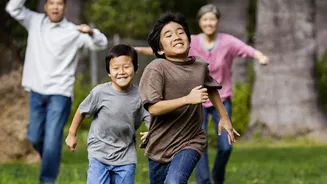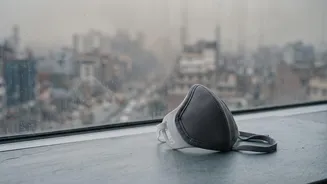




As skies across Indian cities turn hazy, parents face the urgent question of how to protect their children. With young lungs being particularly vulnerable, making informed choices about masks and outdoor play is more critical than ever.
Why Children Are More Vulnerable to Air Pollution
Children are not
just small adults; their bodies are uniquely susceptible to the harmful effects of air pollution. They breathe faster than adults, taking in more air—and more pollutants—relative to their body weight. Their lungs and immune systems are still developing, which means exposure to pollutants like fine particulate matter (PM2.5) can cause greater harm. This can lead to an increased risk of respiratory infections, asthma, and even impact long-term lung growth and function. Understanding this heightened risk is the first step in taking effective protective measures.
A Parent's Guide to Choosing the Right Mask
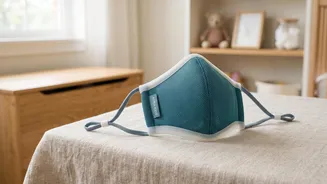
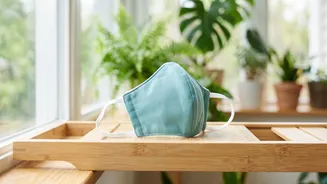
When it comes to pollution, not all masks are created equal. A simple cloth mask or surgical mask offers minimal protection against the tiny PM2.5 particles that pose the biggest threat. For meaningful protection, parents should look for certified respirators specifically designed for children. Paediatric experts recommend child-sized N95 or equivalent masks (like KN95 or FFP2). The 'N95' rating signifies that the mask can filter at least 95% of airborne particles. While N99 masks filter 99%, they can be harder for children to breathe through, making N95 a more practical choice for daily use. The most critical factor beyond certification is the fit. The mask must create a snug seal over the child’s nose, mouth, and chin, with no gaps at the sides. If a child's glasses fog up or you can feel air escaping, the fit is not secure, and its effectiveness is compromised.
The Real Challenge: Getting Them to Wear It
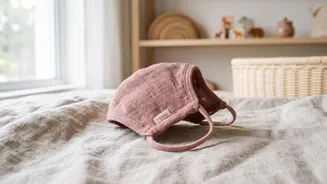
Choosing the right mask is only half the battle; getting a child to wear it correctly is the other. The key is to make the experience as positive as possible. Involve your child in the process by letting them choose a mask with their favourite colour or design, as long as it meets the proper certification standards. Normalise mask-wearing by putting one on a favourite stuffed animal or drawing masks on characters in a coloring book. Practice wearing the mask at home for short periods, gradually increasing the time to build tolerance. Explain in simple, age-appropriate terms why the mask is important, framing it as a way to be a 'superhero' who keeps themselves and others safe. Above all, patience and positive reinforcement with praise or small rewards can make a significant difference.
Reading the Air: When to Keep Kids Indoors
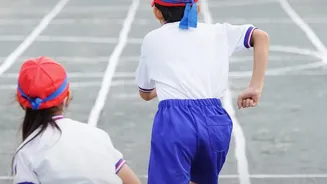
A mask is for essential outdoor trips, but on days with very high pollution, the best defence is to stay inside. To make this decision, parents can rely on the Air Quality Index (AQI). The AQI is a colour_coded scale from 0 to 500 that measures air cleanliness. Here's a simple guide for children's activities:
- AQI 0–100 (Good to Moderate): Outdoor play is generally safe for most children. Those with asthma or other sensitivities should be monitored.
- AQI 101–150 (Unhealthy for Sensitive Groups): It's wise to move strenuous activities indoors. For all children, outdoor time should be shorter and less intense.
- AQI 151+ (Unhealthy to Hazardous): All children should stay indoors. At these levels, even short exposure can be harmful. Keep windows closed and consider using an air purifier if available. You can check your local AQI through various government websites and mobile apps.